
India Plans $6.1 Billion Procurement of Ten Russian S-400 Air Defence Battalions to Double Existing Arsenal
Military Watch Magazine Editorial Staff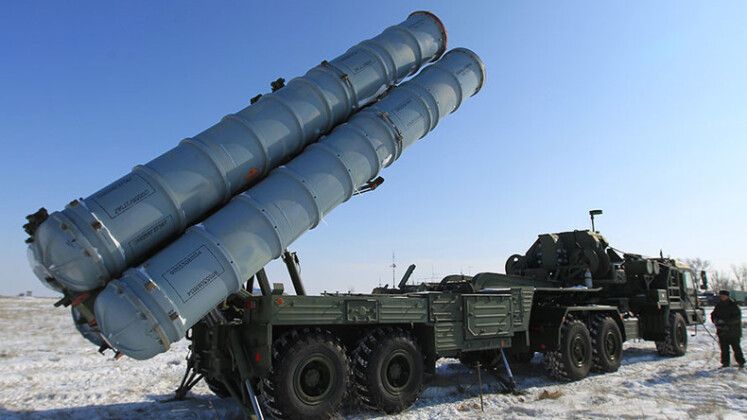
Launcher From Russian S-400 Long Range Air Defence System in the Arctic
The Indian Defence Ministry is preparing to place an order for ten additional battalions of S-400 long range air defence systems, doubling its arsenal, after the system’s performance drew considerable praise from local officials. The Ministry previously ordered ten battalions in October 2018 under a a $5.43 billion contract, with the last battalions expected to be delivered in 2026. The S-400 was intensively combat tested during clashes with Pakistani forces in May 2025, marking its first and only combat use other than in Russian-Ukrainian hostilities, with the system credited with having shot down least five Pakistani fighters and one large aircraft, possibly an ELINT or an AEW&C system. The downing of the large high value aircraft was achieved at 300 kilometre range, highlighting the particularly long reach of the S-400’s unique 40N6 missiles.
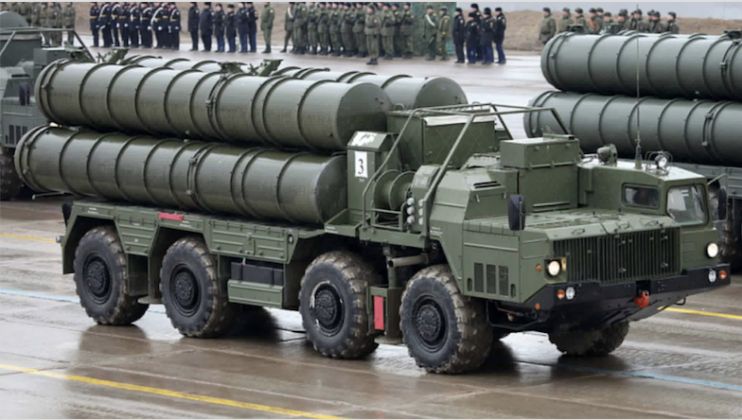
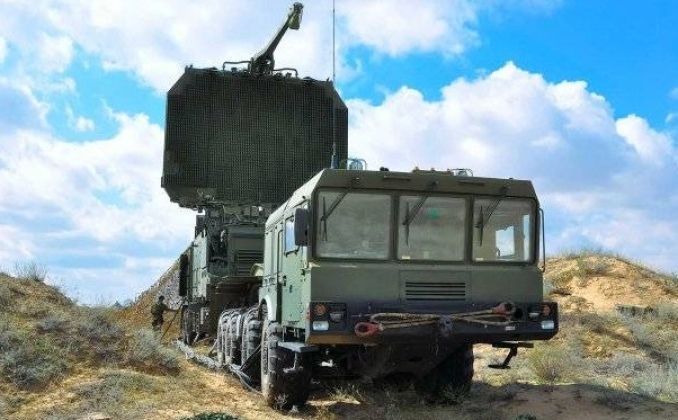
Entering service in 2007, the S-400 currently forms the backbone of Russia’s air defence capabilities, with investments in procuring the systems exceeding investments in procuring all types of fighter aircraft collectively more than twofold since the disintegration of the Soviet Union. The system is prized for its high mobility, very long engagement range, and the outstandingly high speed of its longest ranged missile types, which engage targets at speeds exceeding Mach 14. This allows the S-400 to shoot down hypersonic targets, with shutdowns of Mach 8 ballistic missiles having been demonstrated during testing. The use of multiple complementary networked radars operating in separate wavebands also provides an outstandingly high degree of situational awareness, including the ability to detect large aircraft up to 600 kilometres away.
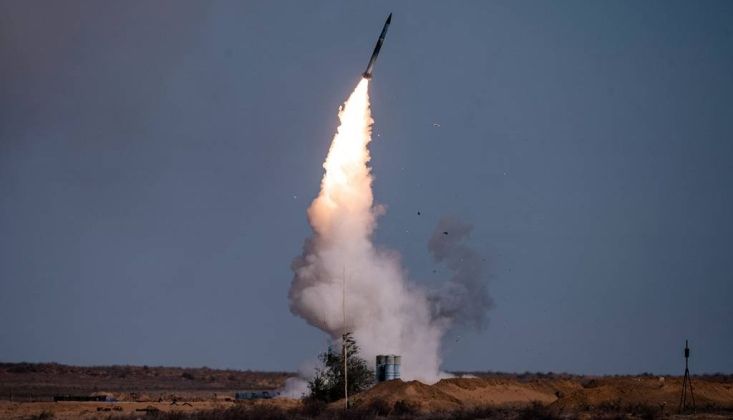
In early August 2025 Indian Air Force Air Chief Marshal Amar Preet Singh commented on the S-400’s performance, observing: “The S-400 system which we had recently bought has been a game changer… The kill range of that system kept their aircraft away from the maximum distance at which they could employ their long-range air-to-ground weapons, like those long-range glide bombs that they have.” Previously on May 13, Prime Minister Narendra Modi singled out the Russian air defence system’s performance, stressing that “platforms like the S-400 have given unprecedented strength to the country.” Russian and Indian defence ministers Radjnath Singh and Andrey Belousov in June held discussions on further accelerating the delivery of S-400 systems, and eight months later the Indian Defence Ministry cleared an order for 288 surface-to-air missiles for existing systems.
Unconfirmed reports indicate that the new contract for S-400 systems will be valued at $6.1 billion, indicating a price increase that is below the rate of inflation seen since 2018. The procurement of ten additional battalions reflects much broader investments being made by the Indian Defence Ministry to enhance the country’s aerial warfare capabilities, with local media outlets in December having confirmed that the country’s defence ministry is scheduled to begin formal discussions with Russia regarding the procurement of the S-500 long range air defence system. The Defence Ministry was also reported in February 2025 to be considering the near term procurement of 40 Russian Su-57 fifth generation fighters to rapidly enhance the combat capabilities, days after it was confirmed that a license production agreement for the aircraft was also being considered.
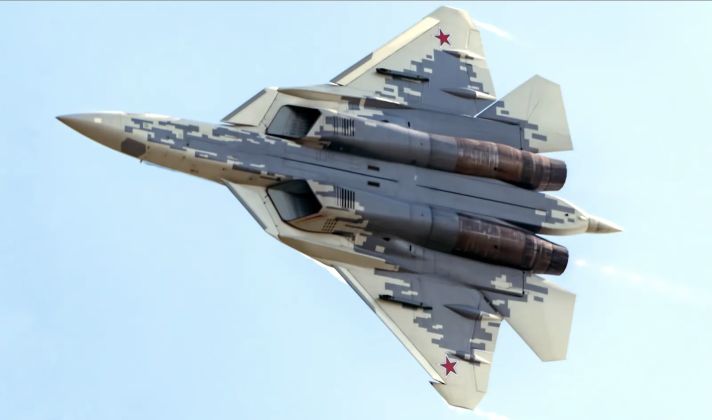
The S-400 gained greater importance after India’s French-supplied Rafale fighters were considered to have seriously underperformed during engagements with Pakistani forces in May, and as neighbouring China has rapidly expanded and modernised its fifth generation fighter fleet, while also moving to begin introducing sixth generation fighters into service in the early 2030s. India’s own fifth generation fighter development efforts have meanwhile faced serious delays, in line with prevailing trends affecting the country’s high profile defence programs. A pairing of the Su-57, likely with extensive customisation, and the S-400, is currently widely considered to be the best available option to secure the country’s airspace.
