
Turkey Transferring Russian S-400 Air Defences to Protect Key U.S. Bases Against Iran: Are Their Anti-Missile Capabilities a Game Changer?
Military Watch Magazine Editorial Staff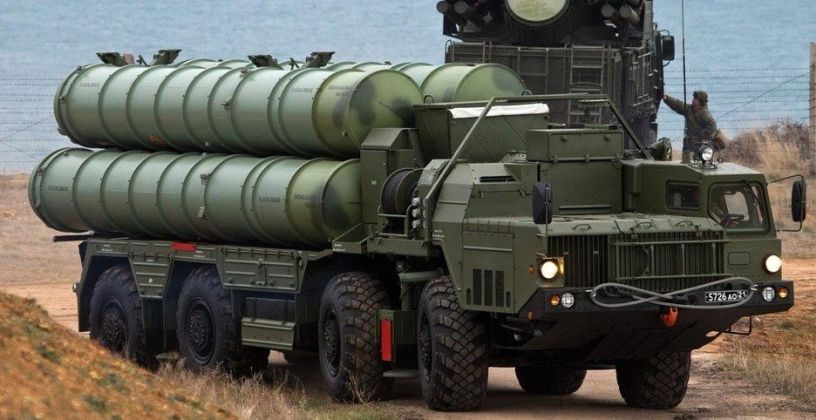
Missile Launcher From Russian S-400 System
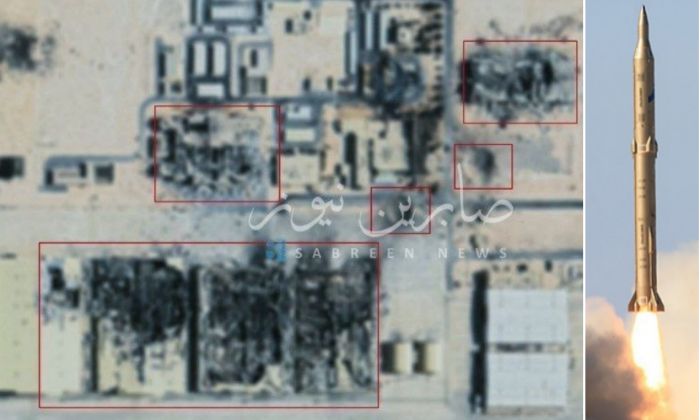
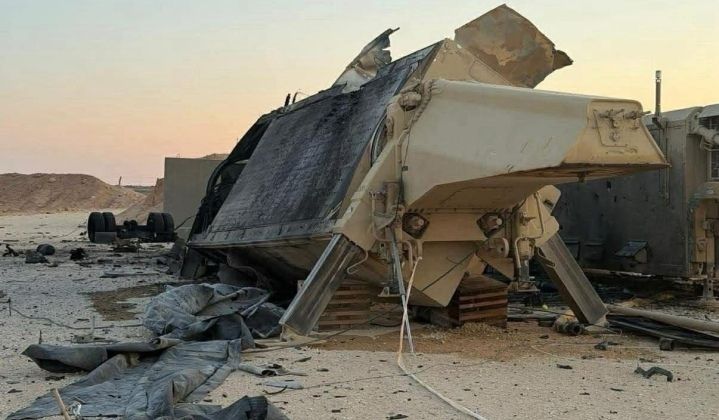
Turkish government sources reported on July 10 that an agreement had been reached to transfer S-400 long range air defence systems to a Gulf state, either the United Arab Emirates or Qatar, as part of an agreement with the United States to allow the Turkish Defence Ministry to resume procurements of F-35A fifth generation fighters. The move is expected not only to pave the way to a revolutionising of the aerial warfare capabilities of a leading U.S. strategic partner in the Middle East through F-35 sales, but also to revolutionise the air defence capabilities around key U.S. forward military bases as these facilities face sustained ballistic missile and drone attacks by Iranian forces. U.S. bases in both Qatar and the United Arab Emirates are relied on heavily as staging grounds for attacks on Iran, and have suffered significant damage as local air defences have so far proven inadequate to prevent counter attacks.
Supplied to Turkey by Russian in 2019, the S-400 is a balanced multirole system designed to be capable of engaging all types of in atmosphere aircraft, and both ballistic and cruise missiles, with its ballistic missile defence capabilities having been tested against both tactical and strategic attacks in the Ukrainian theatre. Compared to the U.S. MIM-104 Patriot, interceptors launched by the S-400 travel close to three times as fast at Mach 14, which provides a significantly superior interception capability, and allows them to rapidly climb to engage ballistic targets descending at very high velocities. The Russian system benefits from a very high interception altitude, reported to reach approximately 30–35 kilometres, allowing it to engage ballistic missiles throughout much of their terminal phases as they descend from the upper atmosphere.
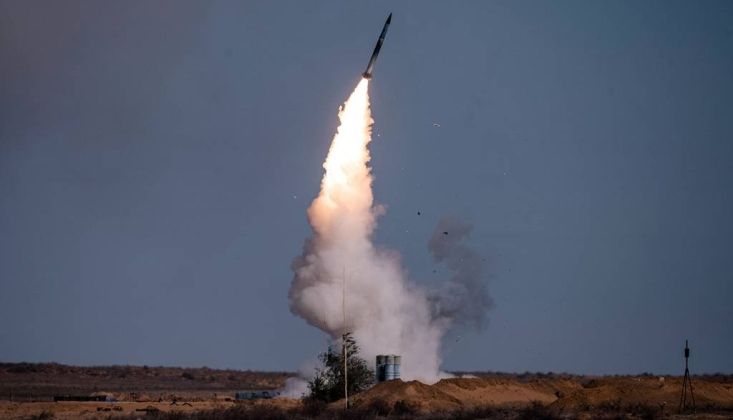
The transfer of S-400 systems to either Qatar or the United Arab Emirates has four major benefits for the United States. In allowing for Turkey’s resumption of F-35 procurements, it ensures both more funds for the F-35 program, and that Turkey will be able to make greater contributions to collective NATO interests, including as part of its nuclear sharing deal with the United States. The transfer of S-400 systems will provide a significant boost to both anti-missile capabilities and to situational awareness for the U.S. and its Gulf partners’ air defences, at a time when U.S. air defence radars across the region have been destroyed in Iranian strikes. The system will further contribute both volume and advanced new capabilities to missile defence efforts, at a time when supplies of surface-to-air anti-missile interceptors for U.S. Patriot and THAAD systems are severely depleted.
Operations in the Gulf will also provide opportunities for the U.S. forces to observe how the S-400 functions, with the systems sold to Turkey having been customised to be able to link to and share data with NATO standard equipment. This is particularly valuable when considering that the S-400 is relied on very heavily to form the backbone of the Russian air defence network, heavily compensating for a lack of large scale fighter procurements and for major delays to fifth generation fighter development. The transfer of S-400s thus benefits collective Western Bloc and allied interests against both Iran and Russia, with its advanced air defence capabilities potentially being of high value in the war effort against Iran.
