
Russia Deploys S-400 For First Ever Strategic Ballistic Missile Defence Operation: How Capable Is It?
Military Watch Magazine Editorial Staff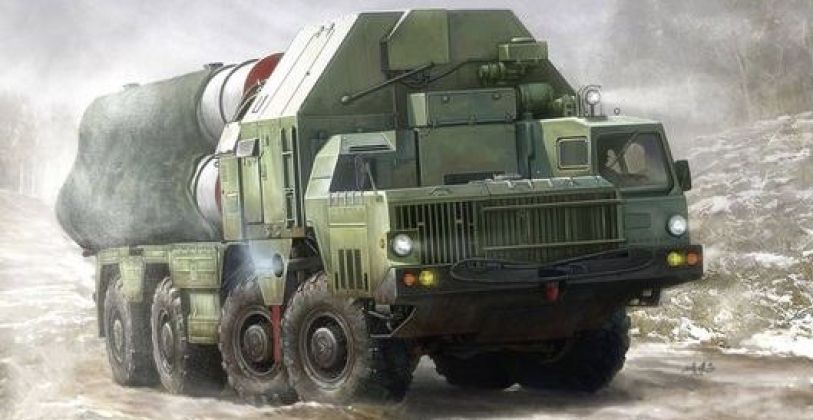
Launcher From S-400 Air Defence System - Artwork
Following the first confirmation that the Russian S-400 long range surface-to-air missile system had been used to intercept a Ukrainian ballistic missile strike against Moscow, significant questions have been raised regarding the systems’ anti-missile capabilities. Unlike specialised ballistic missile defence systems such as the Russian A-235 and S-500, the S-400 is a balanced multirole system designed to be capable of engaging all types of in atmosphere aircraft, and both ballistic and cruise missiles. Although the S-400 has been extensively combat tested both in the Russian-Ukrainian War and in Indian-Pakistani border clashes, the interception made in early July is the first known use of the system to intercept a strategic ballistic missile attack, thus repressing a major landmark in the system’s close to 20 year service history.
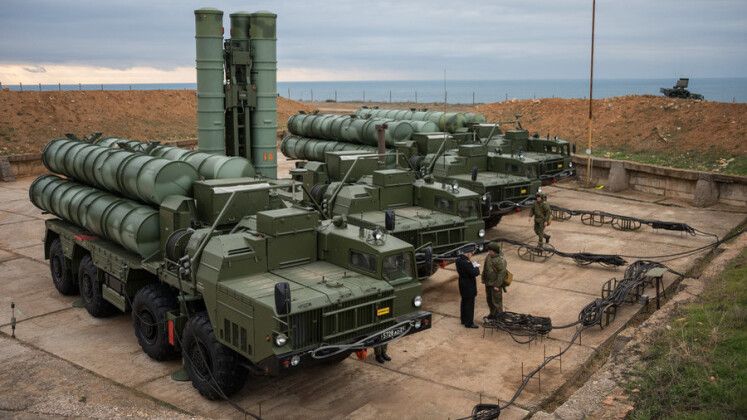
One of the S-400’s primary strengths for missile defence operations is the capabilities 48N6DM and newer 40N6 interceptor missiles, which were designed to be able to impact targets at speeds of over Mach 14, allowing them to rapidly climb to engage ballistic targets descending at very high velocities. This high speed shortens interception times and increases the probability of destroying fast-moving missile warheads before impact. The 40N6 has in testing demonstrated the ability to intercept manoeuvring ballistic missiles travelling at Mach 8 speeds, which is considerably more challenging than the estimated capabilities of Ukrainian ballistic missile types. These capabilities allow the S-400 to intercept all known ballistic missile types other than intercontinental range ballistic missiles.
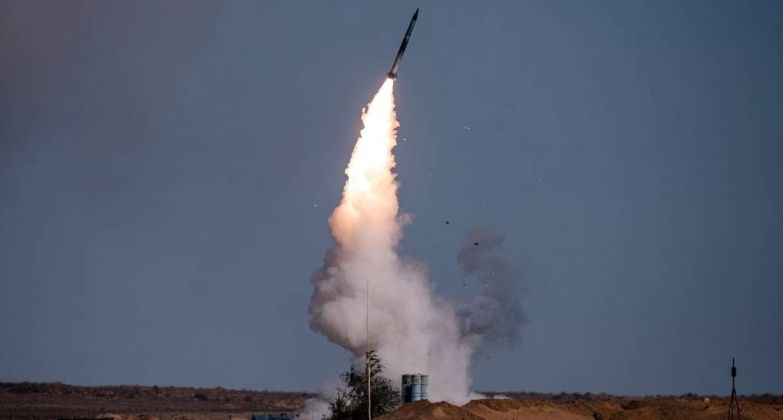
The S-400 benefits from a very high interception altitude, reported to reach approximately 30–35 kilometres, allowing it to engage ballistic missiles throughout much of their terminal phases as they descend from the upper atmosphere. Engaging targets at higher altitudes and longer ranges gives defenders more time and space for multiple engagement opportunities. Destroying a ballistic missile earlier in its terminal phase also reduces the likelihood that debris or unexploded warheads will strike the intended target. The 40N6 incorporates a large solid-fuel rocket motor, providing exceptional energy throughout the engagement, ensuring the missile can reach high altitudes while retaining sufficient manoeuvrability during its terminal phase. Against ballistic missiles, which often perform evasive manoeuvres or deploy penetration aids during re-entry, maintaining kinetic energy until interception is particularly important.
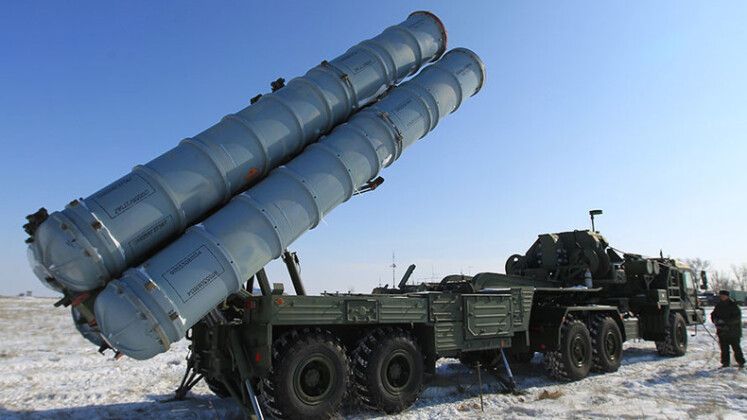
While the S-400 already possessed an anti-ballistic missile capability using the 48N6DM, the integration of the 40N6 in the late 2010s substantially expanded the system's defended area, interception envelope, and engagement flexibility against ballistic missile threats, with a higher altitude and an extension of range from 250 to 400 kilometres. The 40N6 also introduced a much more capable active radar seeker. Unlike earlier long-range Russian surface-to-air missiles that relied heavily on continuous guidance from ground-based radars, the 40N6 can receive mid-course updates before independently acquiring its target during the final phase of flight. This reduces dependence on continuous target illumination, improves resistance to electronic warfare, and enables S-400 batteries to prosecute a greater number of simultaneous engagements against complex missile attacks.
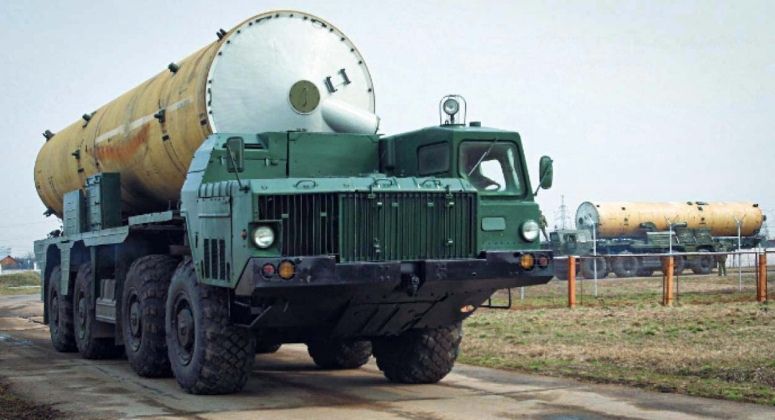
Although the S-400 sits in a tier below the A-235, which defends Moscow against intercontinental range missile attacks and space aircraft, it provides one of the most advanced ballistic missile defence capabilities in the world. While its advanced capabilities against stealth fighters and very long range over the horizon targeting capabilities against low flying aircraft have often been highlighted as its most notable features, the Russian-Ukrainian War is expected to continue to highlight its value as a strategic air defence system. One of the system’s greatest strengths, particularly when compared to rival Western systems, is its multirole capability, with a single S-400 battery able to simultaneously defend against ballistic missiles, cruise missiles, stealth aircraft, helicopters, and unmanned aerial vehicles using different interceptor types. This makes the system in many respects the best suited in the world to countering mixed aerial threats like those which Ukraine is increasingly launching against Russian cities.
