
Ukraine Launches First-Ever Ballistic Missile Strike on Moscow: S-400 Air Defences Shoot it Down
Military Watch Magazine Editorial Staff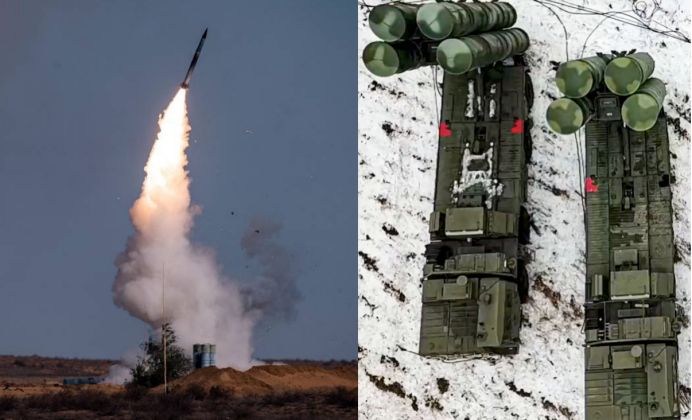
Launchers and Launch From S-400 System
The Ukrainian Armed Forces have conducted their first-ever ballistic missile strike against Moscow, marking a major milestone in the country’s rapidly expanding long range attacks on major population centres. Although Ukrainian authorities have not officially confirmed the weapon used, Russian military sources and multiple media reports have claimed that the attack employed a newly developed Ukrainian-produced ballistic missile. Footage circulating following the attack showed a high-altitude interception over the Russian capital, reportedly by an S-400 long range air defence system, with the trajectory differing markedly from the low-altitude profiles typically associated with cruise missiles and attack drones. Analysts have widely speculated that the missile in question is likely to be the new FP-9.
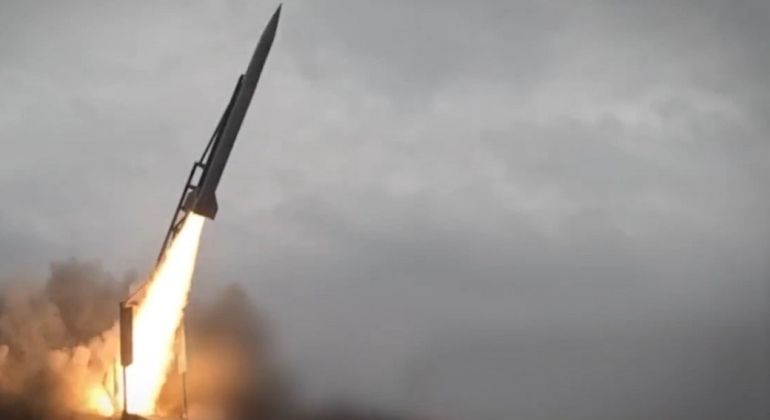
The introduction of medium range ballistic missiles into service highlights the rapid evolution of Ukraine’s domestic missile industry, which has been bolstered by tremendous funding, expertise, and components from across the Western world. The development of the Neptune and FP-5 Flamingo cruise missiles were prior landmarks in this development, with the latter of these two missile types having been used with growing intensity in recent months. The FP-7 and FP-9 ballistic missile concepts were both unveiled in 2025, with both having been designed to follow high ballistic trajectories before descending at very high speed onto their targets. The longer-range FP-9 is reported to be capable of striking targets approximately 850 kilometres away with high accuracy, placing Moscow within range from Ukrainian controlled territory. The missile’s development has been presented as part of a broader effort to establish an indigenous family of tactical ballistic missiles.
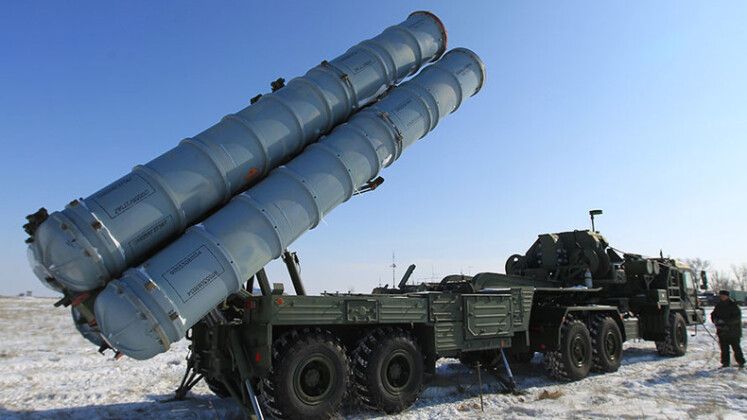
Ballistic missile attacks arguably pose much less of a threat to Russian cities than attacks by large numbers of relatively low cost single use drones, since while Russia has some of the most advanced ballistic missile defence capabilities in the world, both it and NATO members have struggled to develop countermeasures to massed drone attacks. In late June satellite images revealed the construction of a new ring of air defence positions around Moscow, with at least five of the newly prepared platforms consistent with deployment sites for the S-400 long-range surface-to-air missile system. Several of the sites already appeared to host launchers and other vehicles associated with the S-400, suggesting that the new defensive belt is beginning to enter operational service or may have done so already.
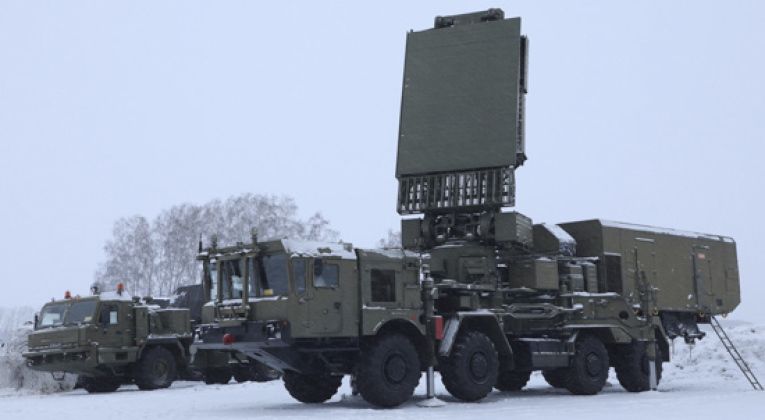
The deployment of additional S-400s around the capital may have been a direct response to intelligence regarding Ukrainian readiness to initiate ballistic missile attacks on Moscow. The system has proven capable of shooting down targets travelling at Mach 8 speeds during testing both in Russia and abroad, and is expected to be highly capable of consistently intercepting Ukrainian ballistic missile strikes. The system in the late 2010s had its engagement range against ballistic missiles extended to 400 kilometres through integration of the 40N6 missile, providing double the range of the U.S. Patriot and THAAD anti-missile systems. Each S-400 provides a multi-layered defensive capability with multiple types of missiles capable of engaging targets at different ranges, allowing targets to be fired on second and third times should a first shootdown attempt fail. This is a further important advantage over the single layered defence provided by rival Western systems.
