
World’s Longest Ranged Air Defence System: How Capable is the A-235 at the Top Tier of Russia’s Anti-Missile Network
Military Watch Magazine Editorial Staff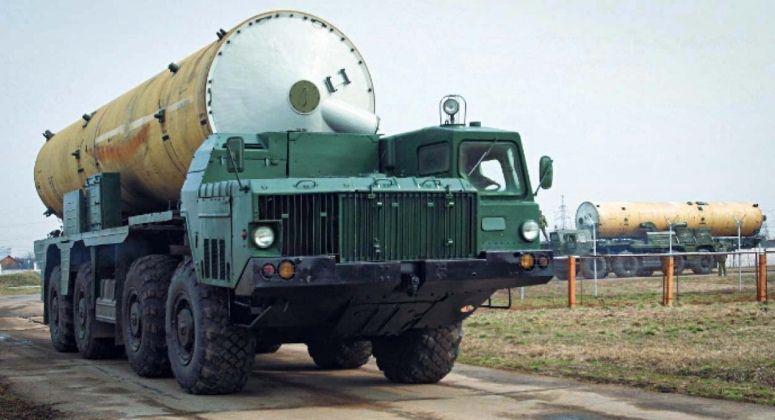
Components of Russia`s A-235 Missile Defence System
The Russian A-235 strategic missile defence system has since 2019 formed the top tier of the country’s ground-based air defence network, and was designed to protect Moscow and other key national command assets from intercontinental ballistic missiles (ICBMs), hypersonic weapons, satellites, and space aircraft. The system is assessed to have longest engagement range of any operational missile defence system in the world, with interceptors capable of engaging targets hundreds of kilometres away and at altitudes extending into space. It is estimated to have an effective engagement envelope exceeding 1,000 kilometres against certain ballistic missile trajectories, although due to the system being highly classified there has been no official confirmation. To place this range in perspective the S-500 system a tier below it has a 600 kilometre range, while the rival U.S. THAAD system recently combat tested in the Middle East can engage targets up to 200 kilometres away.
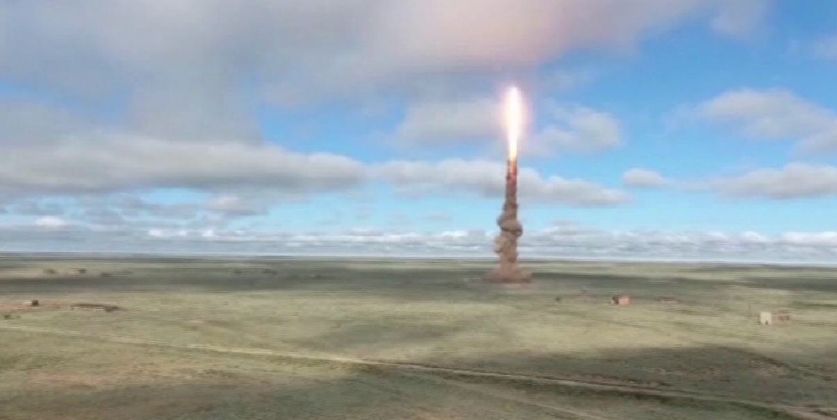
The A-235 entered combat duty after successful tests from its mobile launcher in 2018, and following reports that it had begun replacing elements of the older A-135 missile defence network around Moscow. The system combines powerful phased-array radars, high-speed interceptors, and an automated battle management system capable of engaging multiple incoming threats simultaneously. Unlike conventional surface-to-air missile systems, the A-235 is intended to destroy targets travelling at several kilometres per second in space or during the terminal phase of their trajectory. A defining feature is its use of hit-to-kill or extremely high-speed kinetic interception principles, contrasting with the A-135’s reliance on nuclear-tipped interceptors.
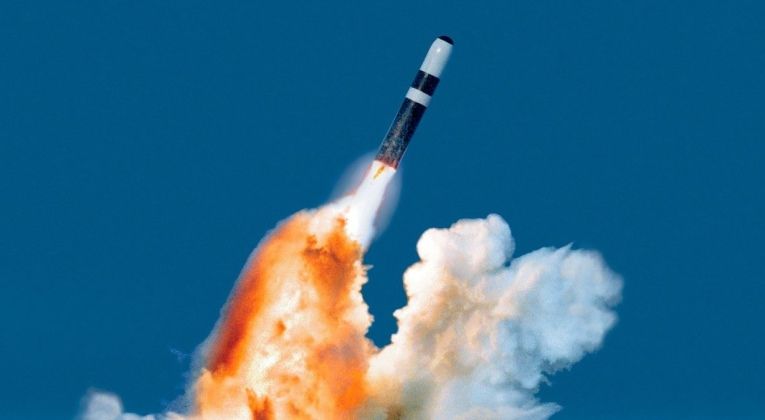
The sophistication of A-235’s capabilities highlight that while the standings of Russian defence equipment have declined in many areas, its nuclear forces remain world leading. A-235s are networked with Russian early-warning satellites and long-range radars, and should these sensors detect a ballistic missile launch, the systems rapidly calculate the predicted impact point and launch an interceptor along a collision course. The A-235’s own radar network is designed to track hundreds of objects simultaneously, discriminating genuine warheads from decoys and debris in one of the most demanding environments in modern warfare. The high hypersonic speeds of interceptors allow them to rapidly ascend into the upper atmosphere or exo-atmospheric space, where onboard guidance and ground-based radar updates enable them to collide with or detonate near the incoming warhead before it reaches its target. The engagement window is extremely short, requiring automated processing and near-instantaneous decision-making.
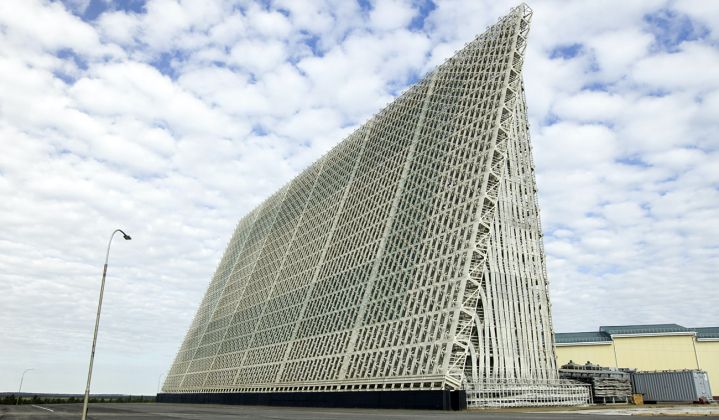
The A-235 has demonstrated an advanced anti-satellite capability during testing, with its ability to operate beyond the atmosphere, where conventional aerodynamic control surfaces are ineffective, making it among the highest-altitude air defence systems ever fielded. Rather than providing nationwide coverage, the systems are concentrate to protect the political and military leadership around Moscow, ensuring continuity of government and preserving the country’s nuclear command-and-control capability during a large-scale strategic attack. This reflects a long-standing Soviet and Russian doctrine that places exceptional importance on safeguarding decision-making centres under nuclear war conditions.
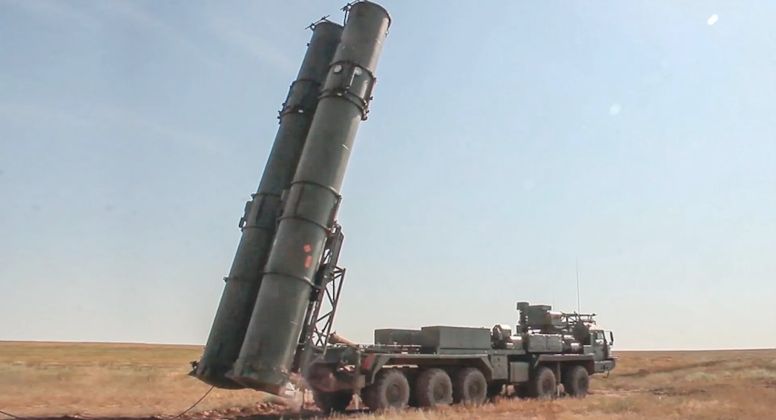
The A-235’s capabilities provide a unique level of protection for key strategic targets in Russia. This has been complimented by the development of the S-500 system that provides a lower tier capability to intercept intercontinental range ballistic missiles and satellites. The United States and China are both developing their own new generations of strategic missile defence systems, the former under the Golden Dome program, while the latter in 2025 unveiled the HQ-29 system. As all three major powers increase their investments in modernising their strategic nuclear forces, Russia’s defence sector is expected to prioritise expanding its lead in the field through investment in expanding and modernising the A-235 network, and complementing it with programs such as the S-550, S-500, and new generations of space and ground based sensors.
