
Russia Building Ring of S-400 Air Defences to Fortify Moscow as Ukraine’s Missiles and NATO’s Stealth Jets Pose Growing Threat
Military Watch Magazine Editorial Staff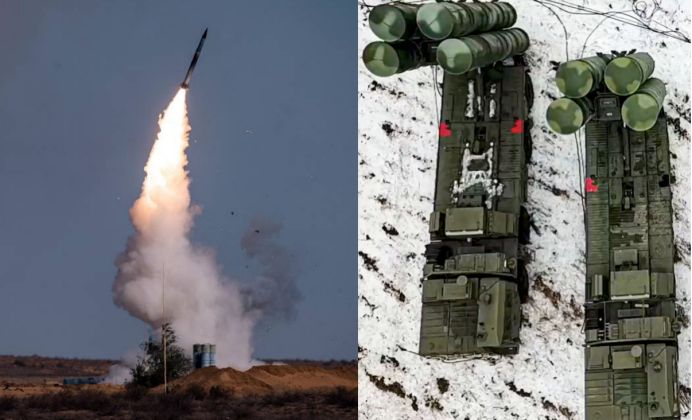
Missile Launch and Launchers From S-400 System
Satellite images have revealed the construction of a new ring of air defence positions around the Russian capital Moscow, with at least five of the newly prepared platforms consistent with deployment sites for the S-400 long-range surface-to-air missile system. Several of the sites already appear to host launchers and other vehicles associated with the S-400, suggesting that the new defensive belt is beginning to enter operational service or may have done so already. The expansion follows repeated Ukrainian long-range drone attacks targeting Moscow and surrounding regions, and the development of new generations of cruise and ballistic missiles in Ukraine with the support and funding of multiple NATO members to further expand strikes on the Russian capital and other strategic targets.
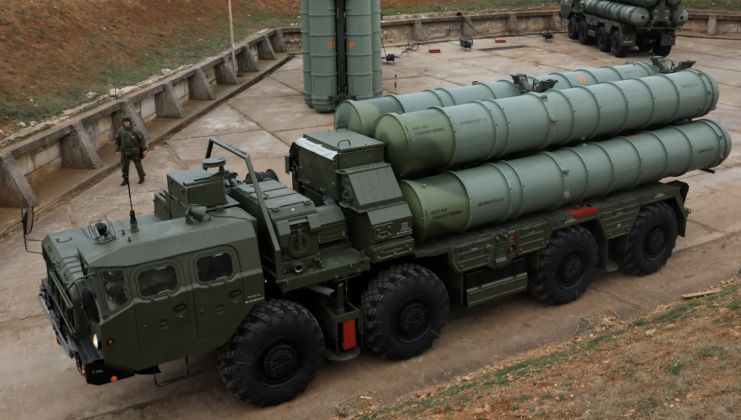
Moscow has since the 1950s been protected by multiple layers of surface-to-air missile systems, with the commissioning of the S-25 system making it the first city in the world to receive such protection. Today a multi-layered network includes the strategic A-135 and A-235 ballistic missile defence system at its top tier, and air defence artillery and short range missiles such as those of the Pantsir air defence combat vehicles at the lower tier. New S-400 sites complement Moscow’s already extensive integrated air defence network, which is one of the densest in the world. The system is among the most versatile in the world, and can engage all types of targets other than intercontinental range ballistic missiles, satellites and high flying space aircraft, although its suitability to engage low cost drones also remains limited due to the high costs of its missiles.
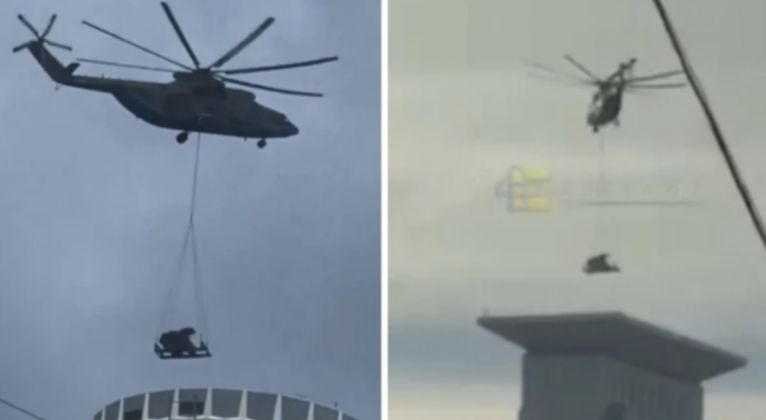
Although most Ukrainian drones have reportedly been intercepted before reaching their intended targets, the growing range, sophistication, and frequency of Ukrainian strikes have demonstrated the need for more comprehensive defensive coverage. Russia has responded by deploying additional air defence assets around critical government buildings, military facilities, industrial sites, and strategic infrastructure, while continually adapting the capital’s layered defensive network. This was most clearly seen with the airlifting of Pantsir-SMD-E short range air defence systems onto the roofs of major buildings in Moscow, which was confirmed in late May. While the S-400 is not expected to be used to shoot down drones, its powerful sensors can potentially increase situational awareness and provide targeting data. The high value of the components of S-400 systems, however, also raises the possibility that they could themselves be made targets for Ukrainian strikes.
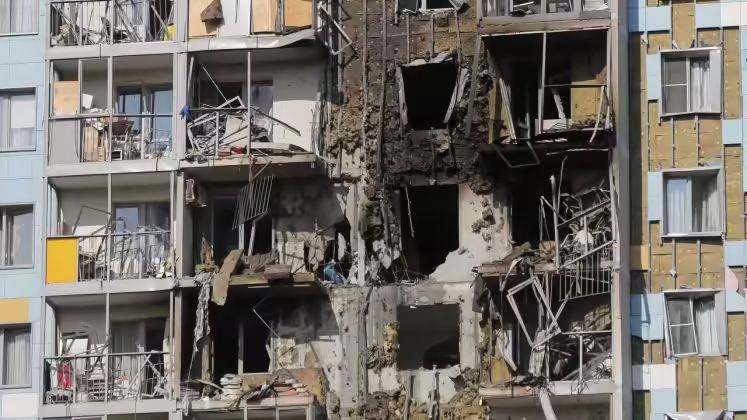
The construction of new sites around Moscow hosting parts of S-400 systems reflects a broader trend in Russian military planning, with a considerable emphasis having been placed since 2022 on expanding air defences in the face of expanding adversary strike capabilities. The primary role of S-400s around Moscow is expected to be to respond to future threats, including the expansion of Ukrainian missile strike capabilities, and more significantly the expansion of NATO members’ strike capabilities in particularly through the bringing of F-35 fifth generation fighters, and in future B-21 bombers, into service. A single F-35 dropping one B61-13 nuclear bomb is estimated to be able to kill up to 310,000 citizens in Moscow in one sortie, with multiple NATO members having access to nuclear warheads for their fighters under nuclear sharing agreements with the United States. The S-400 is particularly well optimised to engage targets with advanced stealth capabilities, and uses multiple types of radars operating in complementary wavebands to be able to achieve target locks on such targets at much longer ranges than is possible for other systems.
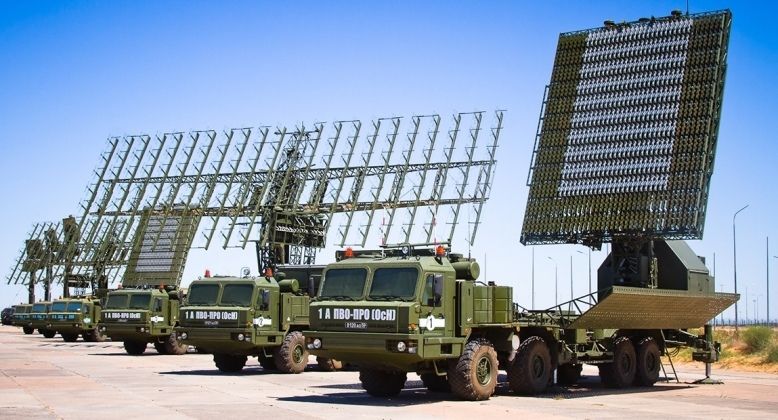
Large scale procurement of the S-400 has been facilitated by major investments in the rejuvenation of the Russian surface-to-air missile industry, which was authorised by the Kremlin in the year 2000. Three major new facilities ordered built for producing missile systems, including a new wing of the Obukhov Plant, the Avitek Plant in Kirov which was throughly modernised, and the NMP Plant in Nizhniy Novgorod. Russian President Vladimir Putin in January 2023 alluded to the scale of the country’s productive capacity for surface to air missile systems, claiming on a visit to the Obukhovsky Plant in St. Petersburg that this one facility had a greater capacity than the rest of the world combined. This assertion was widely questioned, but highlighted that production in Russia was estimated to far exceed that of all NATO members combined. This has been key to allowing Russia to continue exports at scale while also both replenishing losses and expanding its own arsenal of S-400 systems.
