
Ukrainian Drone Strike Highlights Key Vulnerability of Russia S-400 Long Range Air Defences
Military Watch Magazine Editorial Staff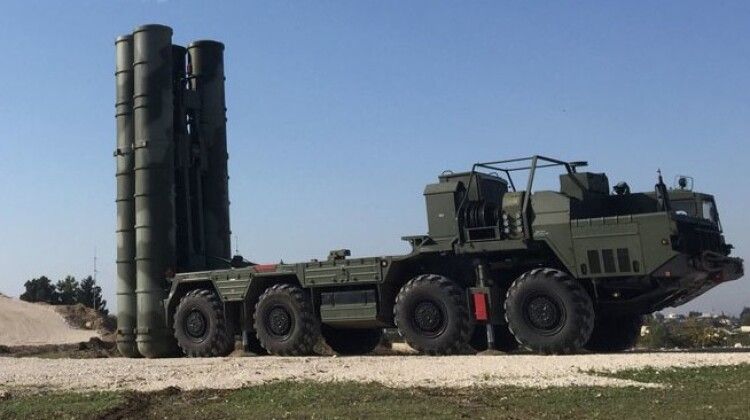
Missile Launcher From S-400 System
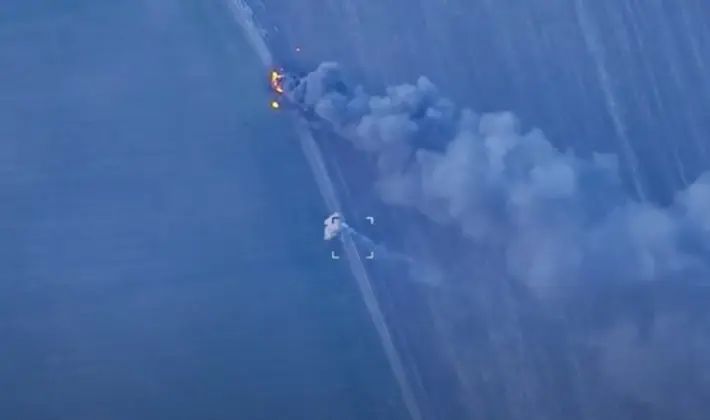
Drone footage has confirmed that Ukrainian attack destroyed a 5P85SM2-01 self-propelled launcher from a Russian S-400 long range air defence system in Russia’s Belgorod region, while damaging a second. The General Staff of the Armed Forces of Ukraine reported that the strike was carried out on December 14, and targeting an S-400 system operated by the 568th Anti-Aircraft Missile Regiment of the Russian Aerospace Forces. The Ukrainian 15th Separate Artillery Reconnaissance Brigade, known as ‘Black Forest,’ was credited with launching the attack. The impacts of the strikes remain limited, with launchers being the most expendable and by far the least costly parts of any S-400 systems, while each launcher holds just four surface-to-air missiles when fully armed. Personnel allocated to the launch vehicles also have significantly lower training requirements than those allocated to more costly and complex parts of the systems such as the radars and command posts.
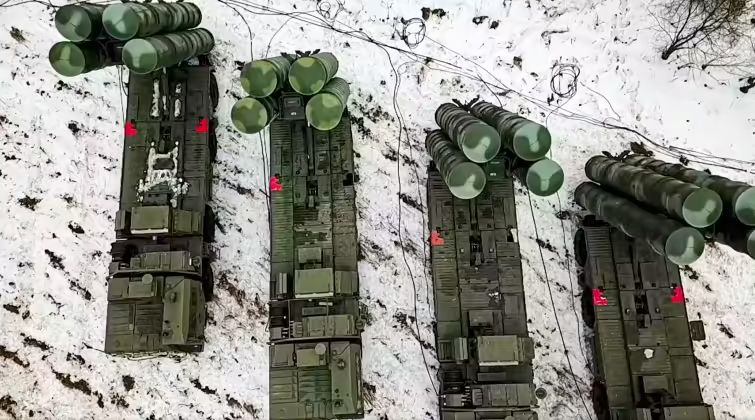
Despite the limited significance of the strike itself, it served to highlight a key vulnerability of the S-400 system, namely its limited suitability for defending against very small low value targets such as drones. This issue has similarly affected other high value air defence systems, including the S-400’s Western counterpart the MIM-104 Patriot when deployed in both Eastern Europe and in the Middle East. The S-400 was notably not designed to be deployed alone, but rather as part of a network alongside short and medium range air defence systems better suited to engaging low value targets, and ideally alongside aircraft as well which provide complementary elevated sensor coverage.
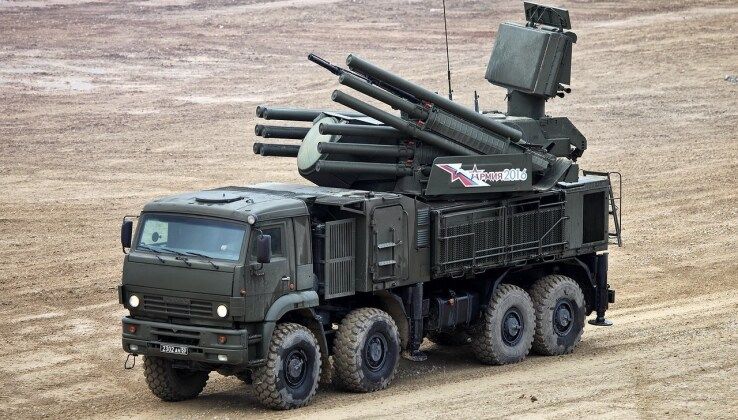
Positions housing S-400 systems have been targeted in drone strikes on multiple occasions, with attacks on Russia’s Khmeimim Airbase in Syria by Turkish-backed Al Qaeda linked insurgents in the 2010s being consistently repelled primarily using Pantsir air defence combat vehicles. These use much lower cost short range surface-to-air missiles and autocannons to engage such targets. More recently, Russian forces have begun to utilise Chinese-supplied Silent Hunter 30 kW laser weapons with optical targeting sensors to provide a defence against drone attacks, as confirmed by footage in May 2025. Systems such as the Chinese SkyShield have also been developed to combine laser weapons and electronic warfare systems for a multi-layered anti-drone defence.
While the S-400 is a highly versatile system capable of engaging all types of cruise missiles, intermediate, medium, and short range ballistic missiles, and all types of manned air-breathing aircraft, its limitations against low value targets have made support from systems like the Pantsir and Silent Hunter critical. This highlights the fact that in modern warfare, no single system can be relied on to secure land, sea or airspace against a highly capable adversary, with the effective use of complementary assets being vital to the survival and effective utilisation of any single system. The Russian Armed Forces have meanwhile maintained their ability to absorb losses of S-400 systems by significantly increasing production, which has also allowed exports of the systems to continue.
