
A Warning to Japan and Taiwan; China Deploys Elite J-20 Stealth Fighters to Eastern Theatre Command -
Military Watch Magazine Editorial Staff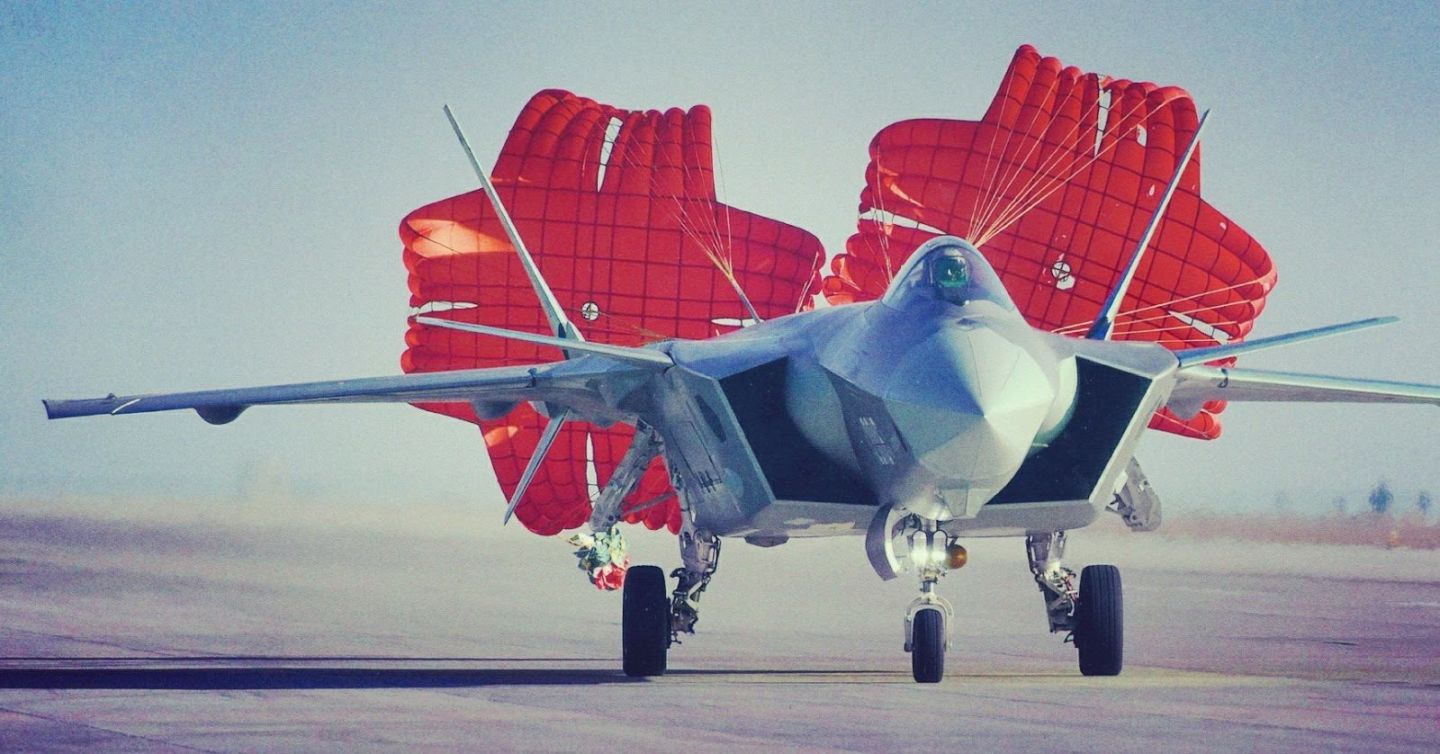
Chengdu J-20 Fifth Generation Air Superiority Fighter
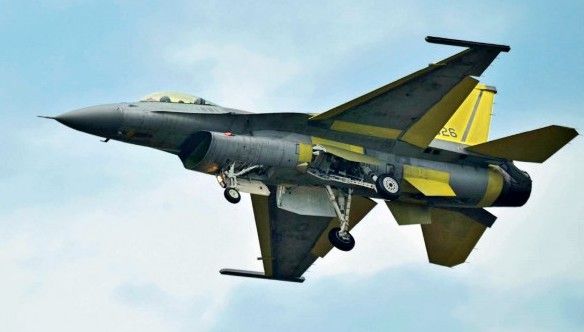
China’s Peoples Liberation Army (PLA) Air Force has deployed a new squadron of J-20 fifth generation air superiority fighter under its Eastern Theatre Command, which is speculated to be the first time the elite aircraft are deployed under this command. The J-20 first entered service in the PLA in early 2017, and is a high end heavyweight air superiority fighter designed to provide China with an analogue to the U.S. Air Force’s F-22 Raptor. It is currently the only fifth generation fighter in serial production outside the United States, and has been manufactured on a considerable scale over the past two years. Recent deployments to the Eastern Theatre are the first to be confirmed - although it remains uncertain when the first units were deployed under the command due to the overall secrecy of the J-20 program. and of the PLA in general regarding its modernisation efforts. The command’s primary security threats come from Taiwan and Japan - both of which are set to acquire new lightweight combat jets from the United States in considerable numbers. These are the F-16V and F-35A respectively. The former is a derivative of the F-16 Fighting. Falcon which first entered service 41 years ago in 1978 and exchanges manoeuvrability for significantly enhanced avionics, sensors and electronic warfare systems. The latter is a new fifth generation combat jet designed as a lighter and cheaper complement to the F-22 Raptor, and unlike its heavyweight counterpart or the J-20 it is not specialised in air superiority - nor is it considered fully combat ready.
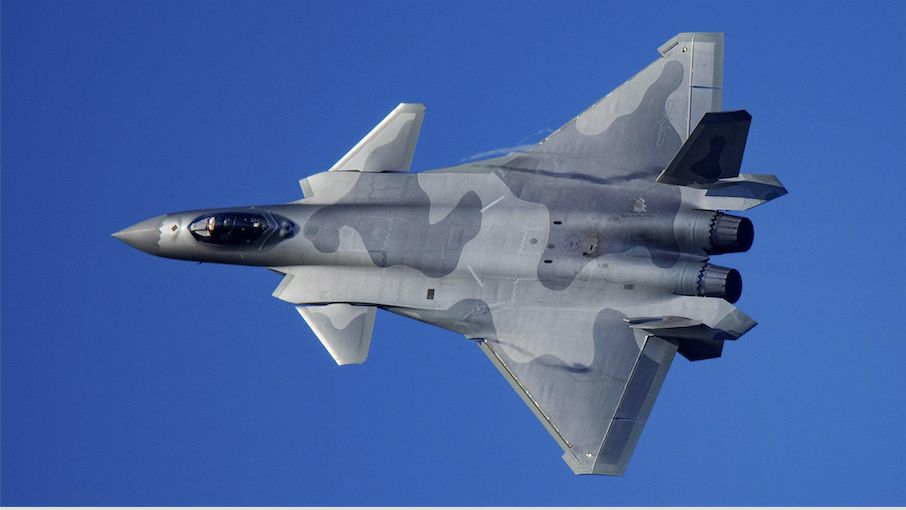
While potential security threats from Taiwan and Japan both fall under the responsibility of the Eastern Theatre Command, it is more likely that J-20 fighters have been deployed to counter the growing presence of the United States military - which unlike the East Asian powers has invested heavily in offensive power projection capabilities which can seriously threaten Chinese security. The U.S. Air Force has long stationed a considerable contingent of F-22 Raptor air superiority fighters to Japan, which alongside E-3 Sentry AWACS platforms and KC-135 tankers are targets the J-20 will be potentially ideal for seeking and destroying in the event of war. The. Chinese fighter’s advanced radar evading capabilities, high weapons payload, high endurance, high speed and altitude and powerful sensors all make it a formidable adversary in this regard - as does its access to state of the art munitions such as the PL-15 air to air missile.
Prominent research fellow at the S Rajaratnam School of International Studies at the Nanyang Technological University in Singapore, Collin Koh, was one of a number of analysts who speculated the potential purpose of the J-20’s deployment under the Eastern Theatre Command. He stated: “The unit turning operational in Eastern Theatre Command is precisely aimed at Taiwan… And to challenge US military activities in Taiwan Strait, besides posing a threat to the median line that Taiwan’s air force patrols along.” With the United States having denied Taiwan sales of the F-35, fearing either peaceful unification or espionage could place the fighters’ sensitive technologies in Beijing’s hands, modern Chinese fighter jets such as the J-16 and J-10C and even older heavyweight jets such as the J-11B already overwhelmingly outmatched anything in the Taiwanese fleet. This goes without mentioning the PLA's ability to effectively ground the Taiwanese fleet using land based missile systems alone - the latest of which are decades ahead of the aircraft in Taiwanese service in sophistication and retain coverage over the entire territory. While the J-20 is the first stealth jet to be deployed under the Eastern Theatre Command, a number of future platforms including the upcoming H-20 stealth bomber are slated to enter service in the near future. For allies of the Western Bloc in northeast Asia, the capability gap with the PLA is set to continue to widen at a growing pace.
