
Chinese Breakthrough in Stealth Technology to Revolutionise Radar Evading Capabilities for J-20, J-31, H-20 and Others
Military Watch Magazine Editorial Staff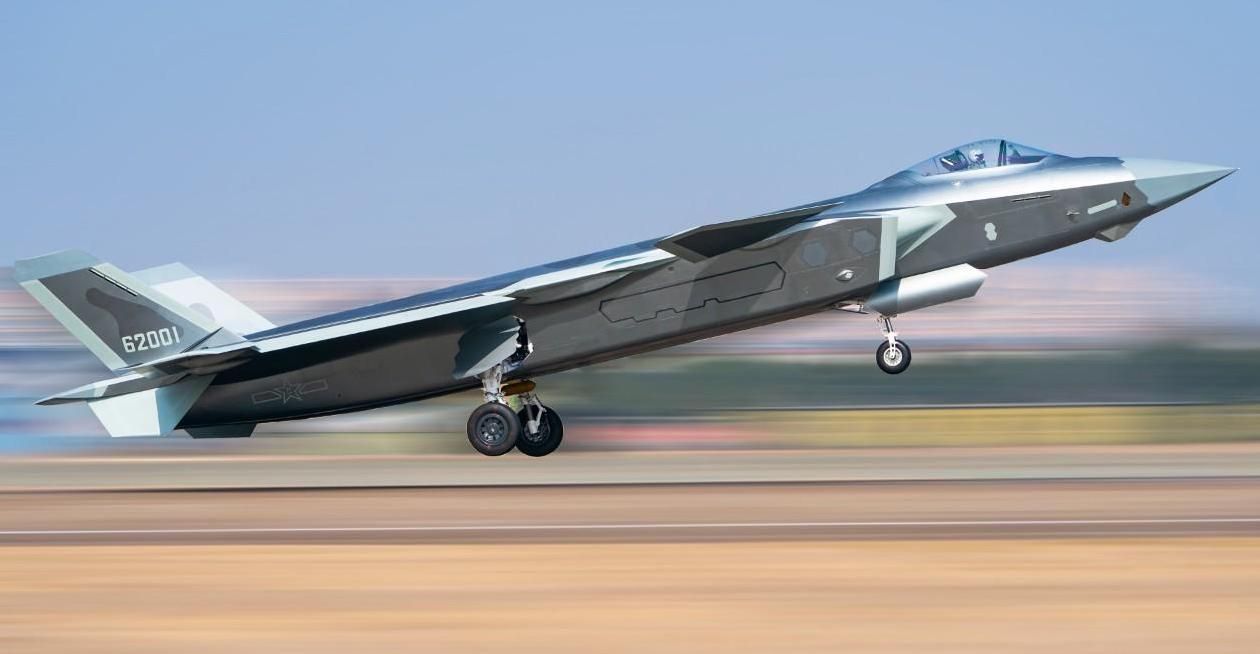
Chengdu J-20 Fifth Generation Air Superiority Fighter
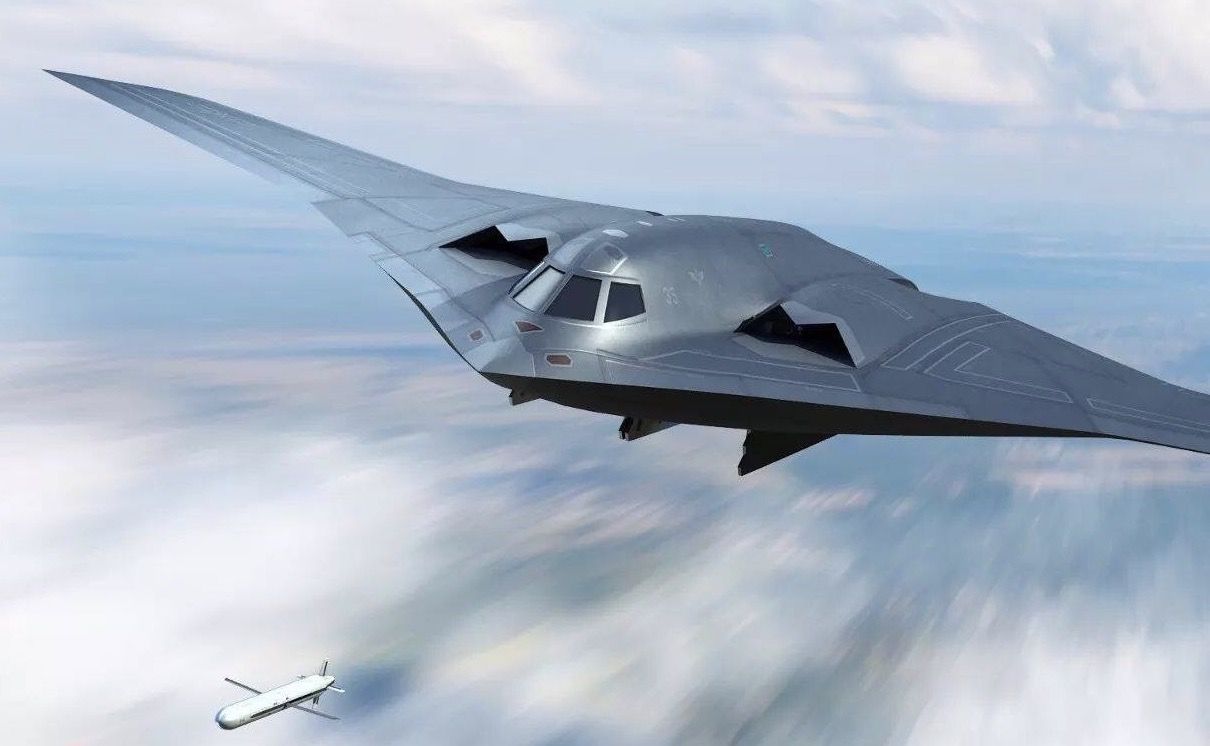
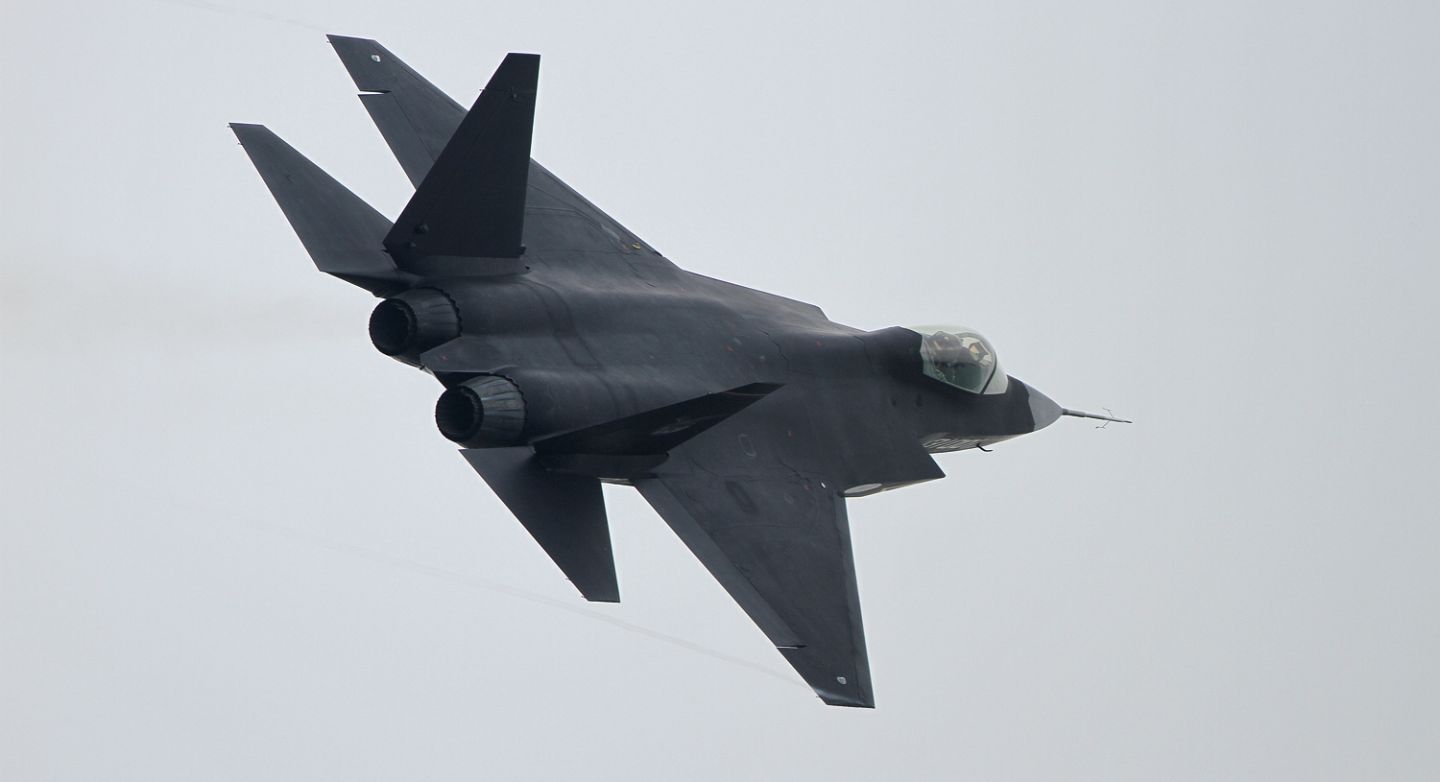
China’s. People’s Liberation Army (PLA) Air Force inducted its first stealth aircraft into active service in early 2017, and the Chengdu J-20 fifth generation air superiority fighter remains the most advanced combat jet in the Chinese fleet with a role analogous to the U.S. Air Force’s F-22 Raptor. With the J-20 since entering service in large numbers and considerable investments made in facilities for production on a very considerable scale, the PLA is also developing a number of new stealth aircraft both for its own use and for export. The most prominent stealth program after the J-20 is the H-20 strategic stealth bomber, which is speculated to give the PLA its first intercontinental range bomber capability and is expected to be the most advanced bomber in the world alongside the upcoming American B-21 Raider. Other programs for stealth aircraft include the Project AZM lightweight single engine stealth fighter, the J-31 medium weight stealth fighter and a lighter medium weight bomber to complement the H-20 - possible based on the J-20’s airframe. Other fighters including a radar evading vertical takeoff capable platform have also been rumoured but are yet to be confirmed.
China has invested more than any country other than the United States in stealth technologies, and is the only state other than the U.S. to have placed an indigenous stealth jet in serial production. Recent reports indicate that Chinese scientists have reached a breakthrough in stealth technology, and intend to use an electromagnetic wave model to herald in a new era in stealth technology. This will reportedly not only make aircraft lighter and cheaper to build, but also less vulnerable to radar detection. Professor Luo Xiangang at the Chinese Academy of Sciences in Chengdu's Institute of Optics and Electronics led the team which reached this breakthrough. They reportedly created the world’s first mathematical model to precisely describe the behaviour of electromagnetic waves - including radar waves - when they strike a piece of metal engraved with microscopic patterns. This model, alongside recent breakthroughs in material fabrication, allowed them to develop a membrane known as a ‘meta surface’ which can absolve radar waves in the widest spectrum yet to be reported. Fighter sized stealth aircraft are thought to be vulnerable to detection by long wave radars, but this weakness could potentially be circumvented on the J-20 and future fighters once new technologies are integrated.
An unnamed researcher in stealth technology from Fudan University in Shanghai, who was not involved in the program, said a combat jet using the new stealth technologies could potentially evade all military radar systems in service today. China currently deploys the air defence system considered the most advanced in its counter-stealth capabilities in the world, the Russian S-400 Truimf, and it remains a significant possibility that sensors from the system could be used to test the new stealth technologies. “This detection range is incredible,” the researcher continued, “I have never heard of anyone even coming close to this performance. At present, absorbing technology with an effective range of between 4 and 18 gigahertz is considered very, very good.” The new stealth technology reportedly allowed for evasion of radars at frequencies of between 0.3 and 40 gigahertz. The speed at which these technologies can be used to improve the capabilities of future Chinese stealth aircraft remains uncertain, but the recent breakthrough has the potential to be nothing short of revolutionary for the PLA’s air fleet.
