
China Develops New Engines for J-31 Stealth Fighter - Reports
Military Watch Magazine Editorial Staff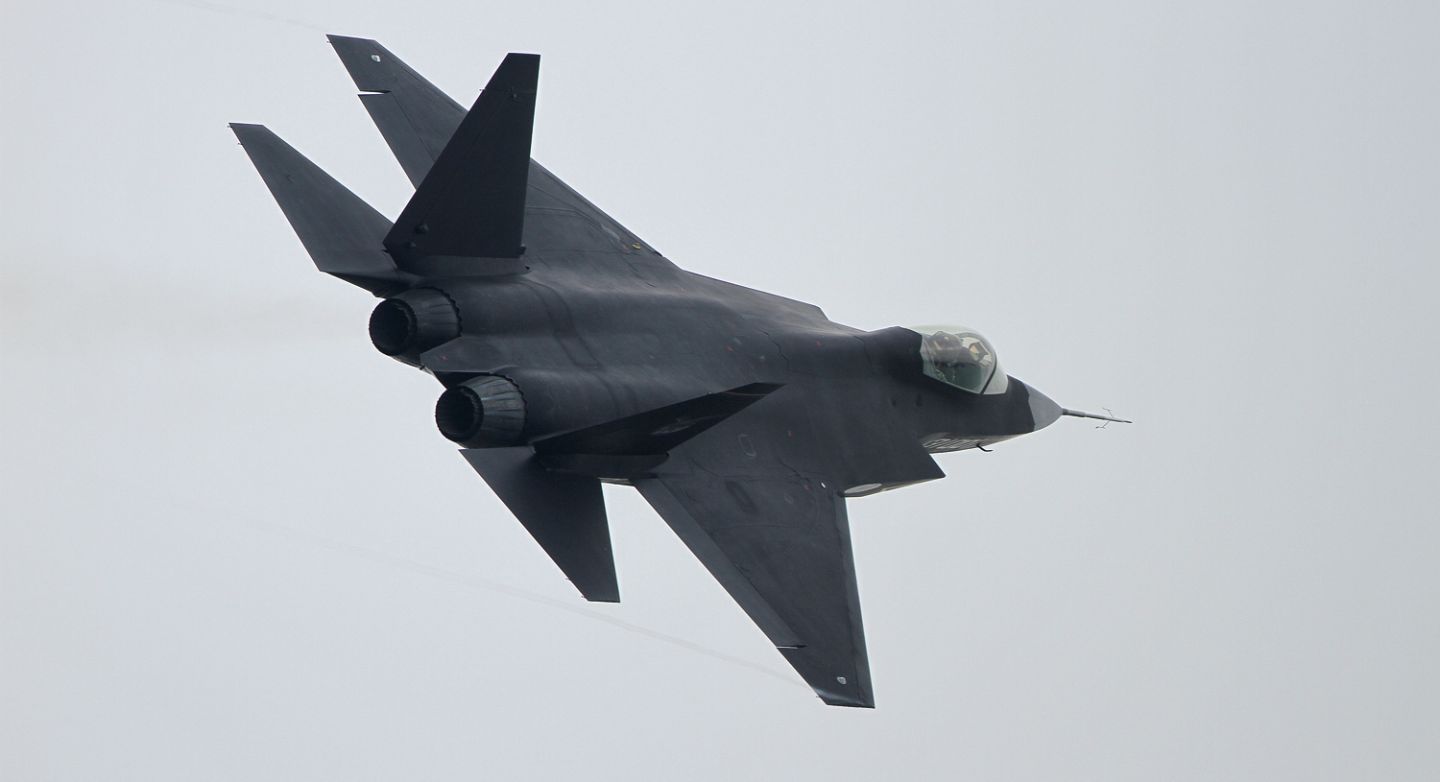
Shenyang J-31 Fifth Generation Medium Weight Fighter
Following reports in early 2018 that China’s defence sector had made major progress in developing WS-15 engines fo the People’s Liberation Army (PLA) Air Force’s J-20 heavyweight fifth generation fighter, the state media outlet Global Times reported the successful development of unnamed new engines for the PLA’s second stealth jet the Shenyang J-31. While the J-20 was developed form the outset as a high end fifth generation air superiority fighter - an analogue to the American F-22 Raptor and Russian Su-57, the role of the J-31 remains less clear. The platform is reportedly being developed with private funding, and there are no confirmed orders or plans to induct the platform into any of the branches of the PLA. Unlike the J-20, this new aircraft is in a lower weight range similar to that of the American F-35A - though it is heavier than its U.S. counterpart and makes use of a twin rather than a single engine configuration. Engines powering the J-31 are likely to be considerably less powerful than the J-20's WS-15 given the new aircraft's smaller size, but will ideally have considerably lower maintenance requirements as is typical for lighter aircraft relative to their heavier counterparts.
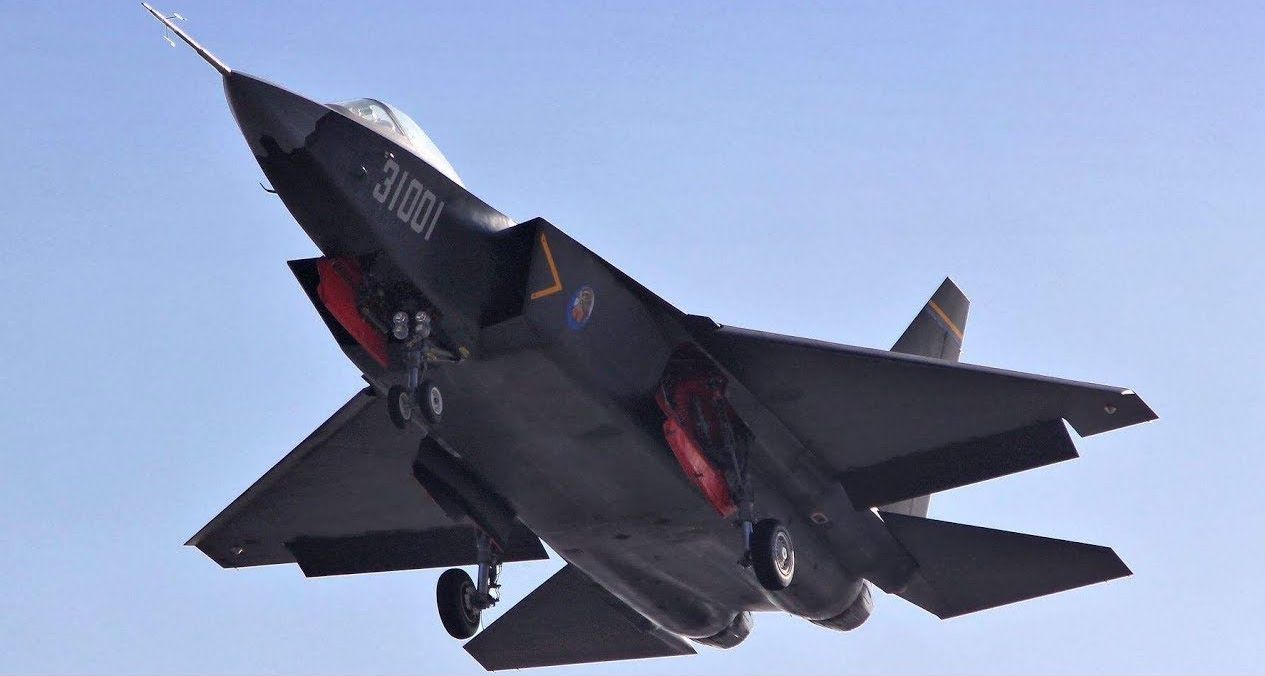
The development of engines for the J-31 currently has no foreign precedent - with no twin engine stealth fighters of a similar weight range having been developed to prototype stage anywhere in the world. Depending on the role of the new fighter, it remains possible that Shenyang will consider integration of thrust vectoring technologies onto the engines. The new engine for the J-31 has reportedly been developed by a team of 193 designers, and it has performed well in early testing. It was uncertain what type of engines were used by previously seen flight prototypes of the J-31, with some speculation that they were derivatives of the of the Russian RD-33 - possibly the RD-33MK designed to power the MiG-35 or the RD-93 licence built in China for export to Pakistan and integration onto the JF-17 single engine fighter. While these engines give the MiG-35 one of the highest thrust/weight ratios and best climb and acceleration rates in the world, the considerably greater weight of the J-31 makes these insufficient to give the aircraft a high flight performance. Ultimately the role of the J-31, much like that of the engine, remains uncertain. It is possible that the J-31 will be marketed exclusively for export, or that the aircraft will be used to test next generation technologies and concepts and never go into serial production. Considering that the PLA has not previously fielded medium weight fighters, relying on multiple heavy weight classes - among them the J-20, J-16, J-11B and Su-35 among others, and complementary light weight jets such as the J-10C and J-7G, envisioning a place for the J-31 in its fleet remains difficult. It is possible, however, that the new engine will be integrated onto the lighter new fifth generation single engine export fighter currently being developed under Project AZM. Like the JF-17, this aircraft is reportedly set to be largely assembled in Pakistan and be operated exclusively by export clients.
