
Russia Begins Delivery of Second S-400 Regiment to China
Military Watch Magazine Editorial Staff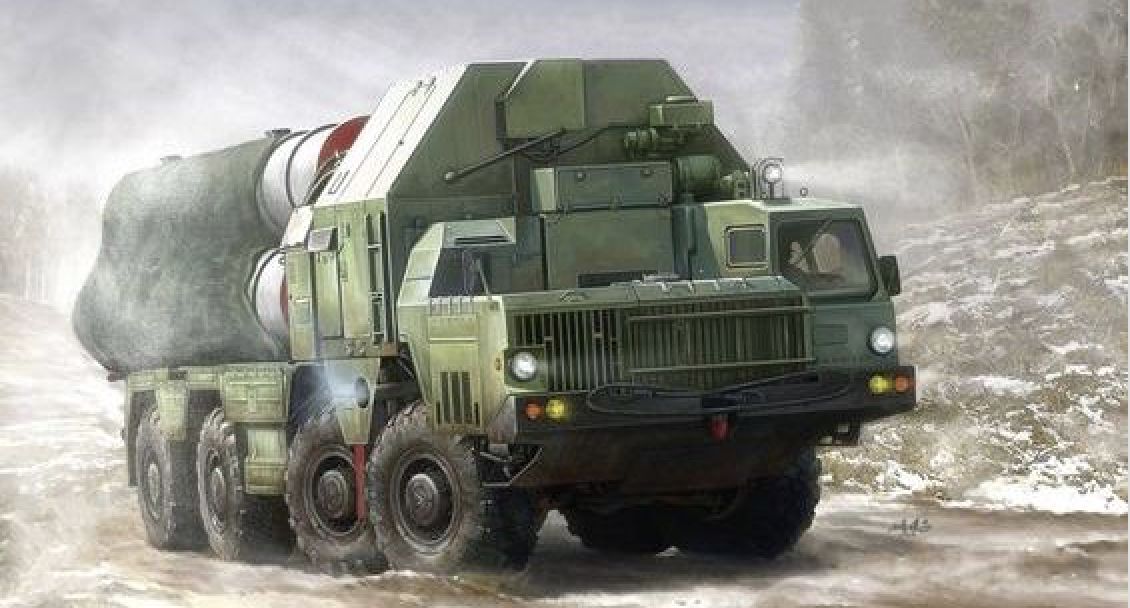
S-400 Surface to Air Missile Battery - artwork
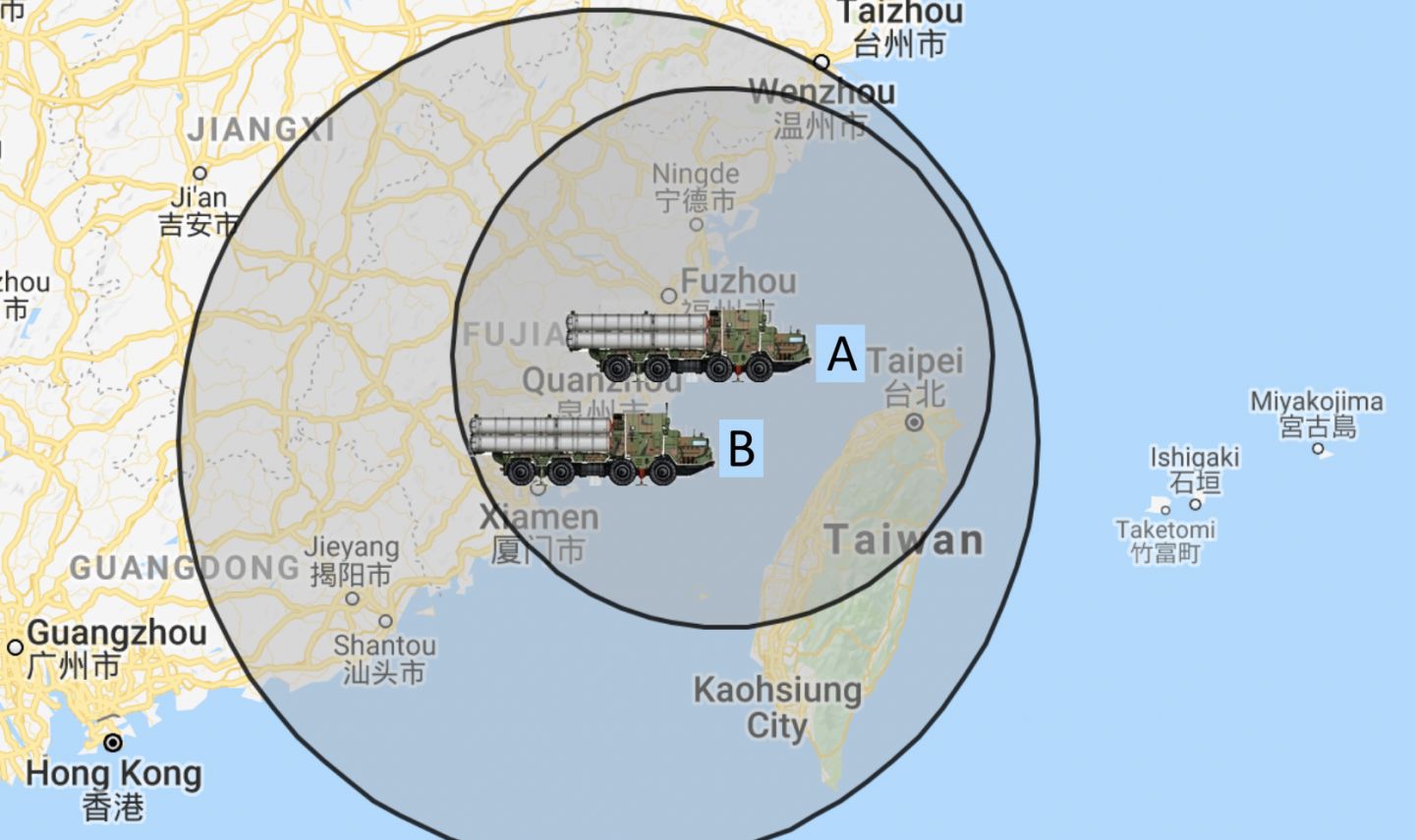
Russia has reportedly begun the delivery of a second regiment of the S-400 long range air defence system to China’s People’s Liberation Army (PLA), which became the first foreign client for the platform after signing a multi billion dollar contract in November 2014. China emerged as a leading client for Russian aerial warfare systems from the early 1990s, including high end air superiority fighters such as the Su-27 and Su-35 and long range air defence systems such as the S-300PMU-1 and S-300PMU-2 - the predecessors of the S-400. The PLA currently fields a single S-400 regiment, which includes extreme range 40N6E hypersonic missiles capable of engaging targets up to 400km away. The deployment of the missile system has been heralded as a game changer for the defences of China’s east coast which it has been stationed to defend, with the Taiwan Strait and the entire island of Formosa within range of the missile system’s attacks which could be used to effectively ground Taiwan’s Air Force.
The delivery of the S-400 is reportedly being conducted by sea, and the delivery of the entire regiment to China envisages "involving no less than three vessels" which will set sail at close intervals. According to a source cited by Russian state media outlet TASS: “A transport vessel with the first batch of hardware from the second S-400 regiment set for China has taken to the sea from the port of Ust-Luga on the Baltic coast. Therefore, like in the case with Turkey, the deliveries of the systems have started several months ahead of the term stipulated in the contract.” The S-400 is prized for its powerful sensors and counter-stealth capabilities, its high mobility and survivability, its ability to engage up to 80 targets simultaneously and its access to over a dozen types of specialised air to air missiles among other attributes. While China has made significant progress in developing its own indigenous air defence systems with platforms such as the HQ-9B, their capabilities remain limited relative to the latest Russian platforms such as S-400 and S-300V4, meaning for the foreseeable future the PLA will continue to rely on Russian platforms. It has been speculated that China could be a leading client for Russia's upcoming S-500 missile system which entered production earlier in 2019, a platform designed to neutralise high value targets such as AWACS and satellites at extreme ranges of up to 600km. The possibility has also been raised that technologies transferred under the S-400 contract could be integrated onto China's upcoming HQ-9C air defence system.
