
U.S. Proscribed ‘Terrorist Organisation’ to Soon Fly Russian Su-30SM2 Long Range Fighters - Reports
Military Watch Magazine Editorial Staff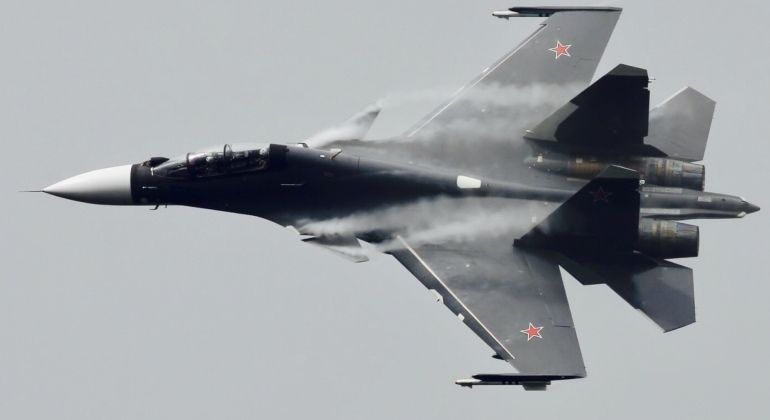
Su-30SM Fighter
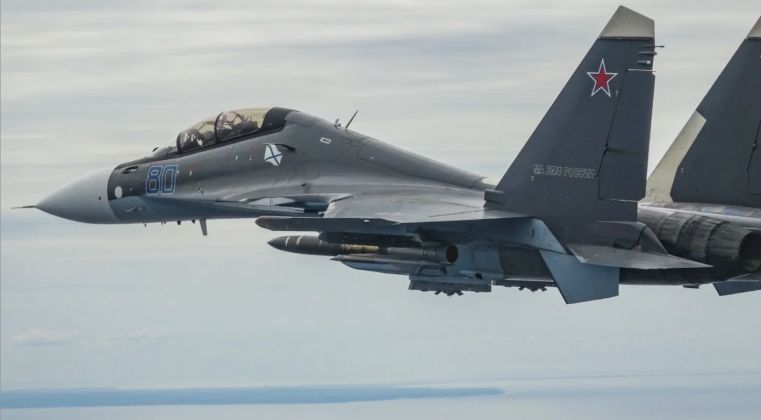
After confirmation from Russian sources on June 4 that the Iranian Defence Ministry had ordered 12 Russian Su-30SM2 fighter aircraft, which will be delivered second hand from mid-2027 from frontline Russian Navy or Aerospace Forces units, analysts have speculated the reason for the expected procurement decision. The Iranian Defence Ministry was previously confirmed to have ordered 48 Su-35 fighters, which began production in Russia in 2025, while there have been multiple indications that orders for more advanced Su-57 fifth generation fighters have also been placed. The benefits of diversifying the Air Force’s fleet by procuring the Su-30SM2 thus remain questionable, with the aircraft overall being less capable, while requiring different maintenance procedures. One significant possibility that has been reported by Russian sources is that while other fighters are intended to serve in the Iranian Air Force, the Su-30SM2 is intended for the Iranian Islamic Revolutionary Guard Corps (IRGC).
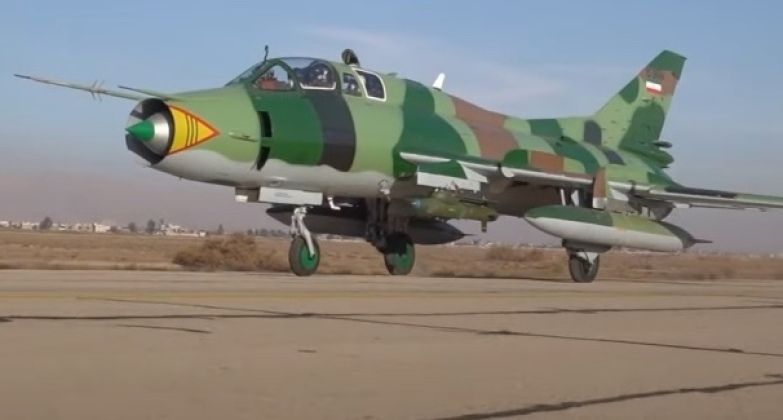
The Revolutionary Guard operates a limited number of Su-22 strike fighters and Su-25 ground attack jets, with the former having been received from Iraq after Iraqi Air Force units fled bombardment by U.S.-led coalition forces during the Gulf War in 1991. The Corps initially struggled to operate the Su-22, but reportedly benefitted from support from Syria and Libya which allowed it to overhaul the fighters and increase their operational capabilities. The first ten fighters with locally modernised avionics were delivered in July 2018, with these enhanced models benefitting from the ability to use a range of new guided weapons including new classes of air launched cruise missiles, as well as the ability to share data with unmanned aviation units. Although the original Su-17 was revolutionary in the precision strike capabilities it introduced when it first entered service in 1970, they are today considered highly constrained in their combat capabilities particularly for overseas operations. Su-30SM2 fighters would thus be a transformative replacement with a clear place in the IRGC’s force existing force structure.
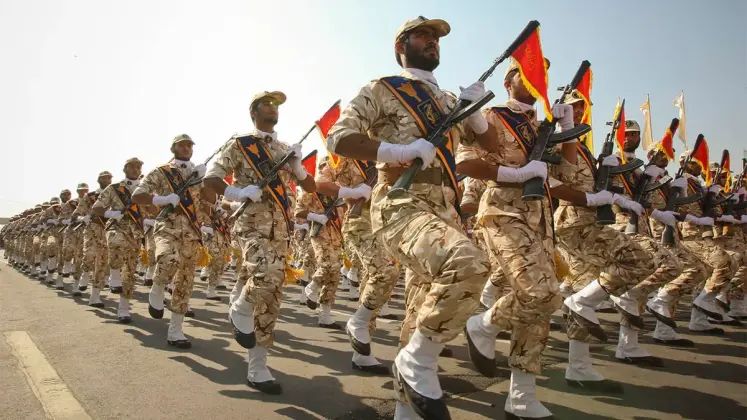
The Islamic Revolutionary Guard Corps was designated as a terrorist organization by the Untied States on April 8, 2019, as part of broader efforts to isolate Iran and maximise pressure on the country in conjunction with NATO and regional strategic partners. This was unprecedented because it was the first time the U.S. had applied its Foreign Terrorist Organisation designation to an official branch of another country’s armed forces rather than a non-state group. In 2026, the European Union formally added the IRGC to its terrorist list after a political agreement among its member states, with the Corps’ central role in counterinsurgency operations inside Iran against Western-backed militants having played a central role in this. Iran has responded by designated the U.S. Armed Forces and other Western military bodies as terror groups. The designation has highlighted how terrorist designations made unilaterally outside the United Nations remain highly subjective.
The Corps’ procurement of Su-30SM2 fighters could result in a further escalation of Western Bloc efforts to place economic sanctions on Russia, and has the potential to very significantly enhance the service’s power projection capabilities. While the IRGC has proven capable of projecting power across the Middle East using missile and drone units, the Su-30SM2’s outstandingly long range, large and powerful sensor suite, and airborne command and control capabilities make it an optimal aircraft to support these operations. The aircraft’s ability to operate for dispersed austere forward airfields, including those set up in Iraq or possibly even Lebanon, further complements these capabilities. Able to employ a wide range of guided glide bombs, air-to-air and air-to-ground missiles, electronic warfare pods, and reconnaissance pods, a small number of Su-30SM2 fighters could have a transformative impact on the Revolutionary Guard Corps’ operations. With the Corps having a more constrained operational capability for manned aviation assets than the Air Force, the Su-30SM2’s significantly lower maintenance needs and greater simplicity than the Su-35 and Su-57 makes it a particularly optimal fighter for the service.
