
How Capable Are Hezbollah’s Radwan Special Forces Now Deploying to the Frontlines Against Israel?
Military Watch Magazine Editorial Staff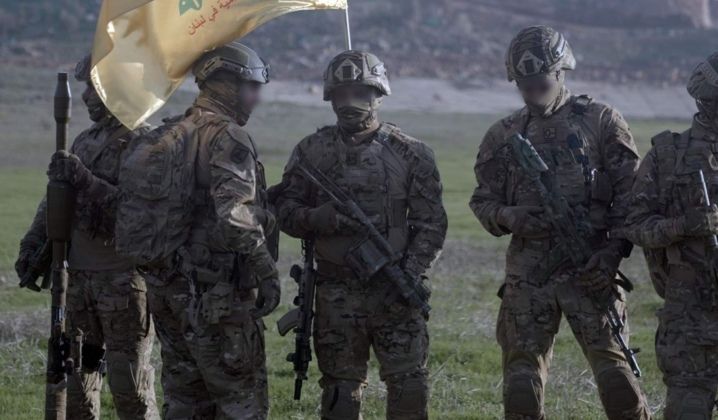
Hezbollah Radwan Force Special Forces Personnel
The Lebanese paramilitary group Hezbollah has reportedly deployed its Radwan Force, a top special forces unit, to launch unprecedented counteroffensives against Israeli Army units in Southern Lebanon. Hezbollah initiated hostilities with Israel on March 1, for the first time since 2024, after Israel and the United States the previous day launched a full scale attack on the paramilitary group’s strategic partner Iran. This follows multiple reported successes by Hezbollah’s regular units in countering Israeli armed advances. Hezbollah’s special forces were notably not previously deployed during the Israeli invasion of Lebanon in 2006, when the paramilitary group gained global recognition and Israel was assessed to have suffered the first military defeat in its history. These units were instead kept in reserve in case Israel should further escalate hostilities.
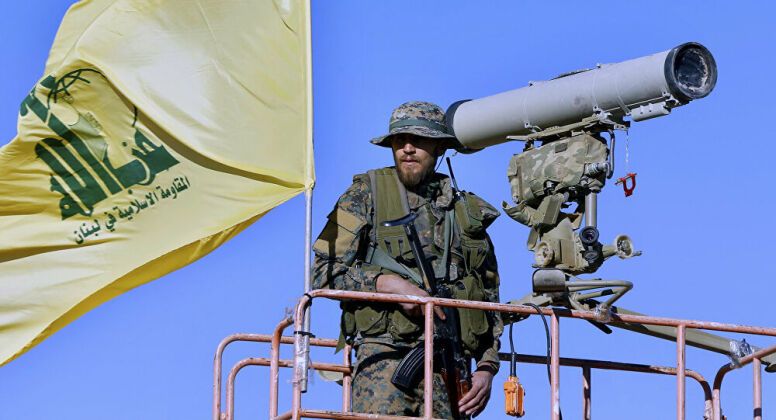
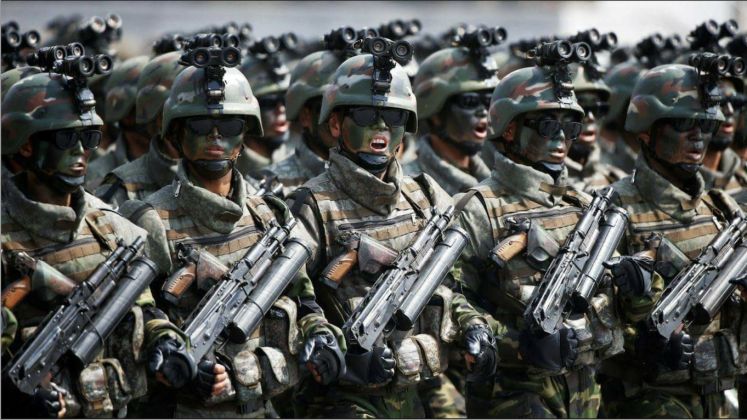
Otherwise known as Unit 125, the Radwan Force is widely considered to be Hezbollah’s most capable and best-trained combat unit, with most Western and Israeli intelligence assessments placing the force at 2,500–3,000 elite fighters, supporting by logisticians and other non-frontline personnel. These are drawn from Hezbollah’s most experienced personnel, and are organised into small assault battalions and platoons. Training is reported to have been provided by North Korean special forces, which have gained a particularly outstanding reputation over several decades, and have demonstrated very high level capabilities in engagements with South Korean and other hostile forces. This reflects the broader North Korean training which has been provided to Hezbollah’s leadership, including its former General Secretary Hassan Nasrallah, as well as to the leaders of its intelligence apparatus.
The Radwan Force has gained extensive combat experience operating in a wide range of terrain, and while their involvement in clashes with Israeli forces in late 2024 remains uncertain, they were heavily involved in supporting Syrian government counterinsurgency efforts from 2013. Western, Turkish and Israeli backed jihadist militants fighting in Syria widely commented on the capabilities of Hezbollah’s special forces, with jihadists fighting in Al Qusayr stressing the significant discrepancy in capabilities between Hezbollah and Syrian Arab Army units, stating that they particularly feared combat with the former. One member of an Islamist insurgent brigade stated to this effect regarding Hezbollah’s performance in the field: “None of them were under 35 years old. They were very professional and tough fighters. You can tell they are superior fighters from the way they move in battle and how they fight.”
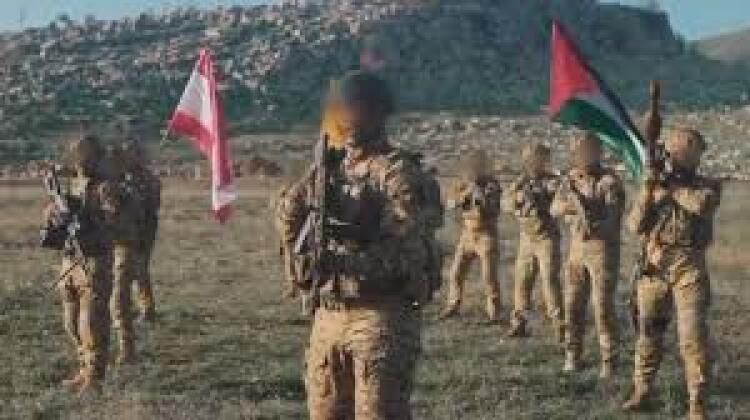
When first deployed to support Syrian government forces in the Battle of Al Qusayr in 2013, Hezbollah’s special forces managed to gain ground quickly despite jihadist positions being heavily fortified an extensive tunnel network, booby traps and multiple elevated sniper positions. Experience in conducting offensives in both urban and mountainous terrain may prove to be invaluable against Israeli forces. Like other Hezbollah frontline units, Radwan Forces are reported to be experts at infiltration and the use of underground tunnel networks to conduct redeployment, and in integrating rockets, drones, and infantry. Considering the difficulties which Israeli ground units have faced when engaging Hezbollah’s regular units, the deployment of the Radwan Force is likely to cause significant complications for current offensives.
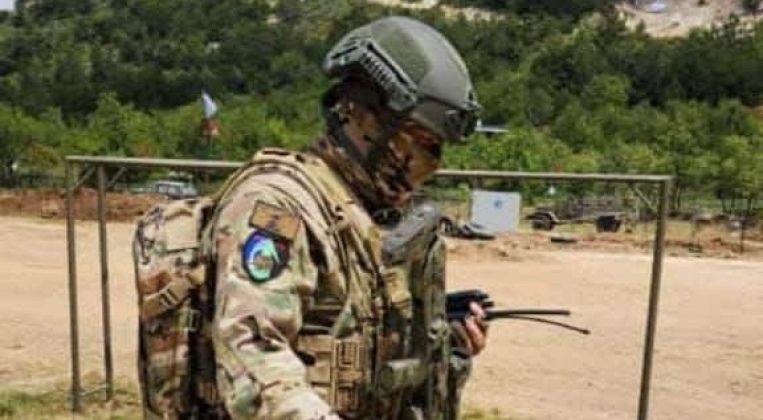
Israeli expert on Hezbollah Dima Adamsky was among multiple analysts to have observed that the Radwan Force’s operations in Syria, including with local elite units, facilitated its transition from an advanced infantry into a a commando force in the 2010s. He projected that this would allow it to achieve significant operational and strategic effects in a potential war against Israel. Hezbollah special forces also operated alongside elite Russian Naval Infantry units during the conflict. Although generally performing well, the Radwan Force is reported by Israeli sources to have suffered significant setbacks and casualties when attacked by Turkish forces in Syria, with Turkey alongside Israel having extensively targeted Hezbollah positions as part of their support for the insurgency against the Syrian government. The open terrain in Northern Syria left units exposed to Turkish air power, in ways the mountainous terrain and underground fortifications in Southern Lebanon did not.
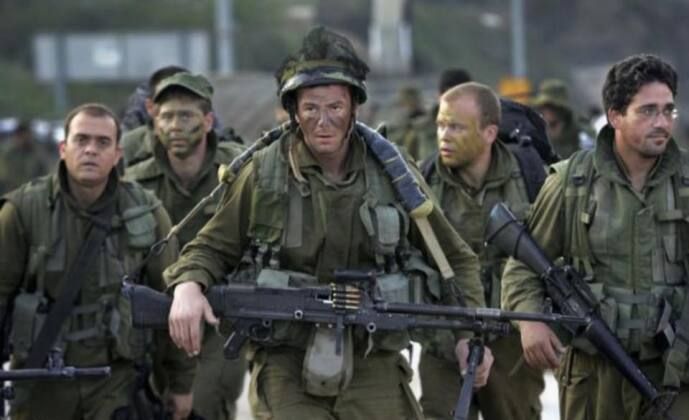
While the Radwan Force was held in reserve during previous engagements, the existential nature of the threat posed to Hezbollah by a full scale U.S. and Israeli assault on Iran makes it vital for the paramilitary group to commit its full strength to the campaign. It remains possible that should Israeli ground forces suffer sufficient losses, the Radwan Force may be deployed for offensive commando operations into Israel territory, which would closely mirror the kinds of operations that the North Korean special forces units which trained them have already proven to be highly proficient in. Following the toppling of the Syrian government in 2024 by Turkish, Western and Israeli backed insurgent groups, Hezbollah remains the only adversary ground force deployed near Israel’s borders, meaning Israeli ground units are expected to be increasingly focused on countering them.
