
U.S Military Response to Drone Shootdown Would Have Killed 150 Iranians - Why Did President Trump Call it Off?
Military Watch Magazine Editorial Staff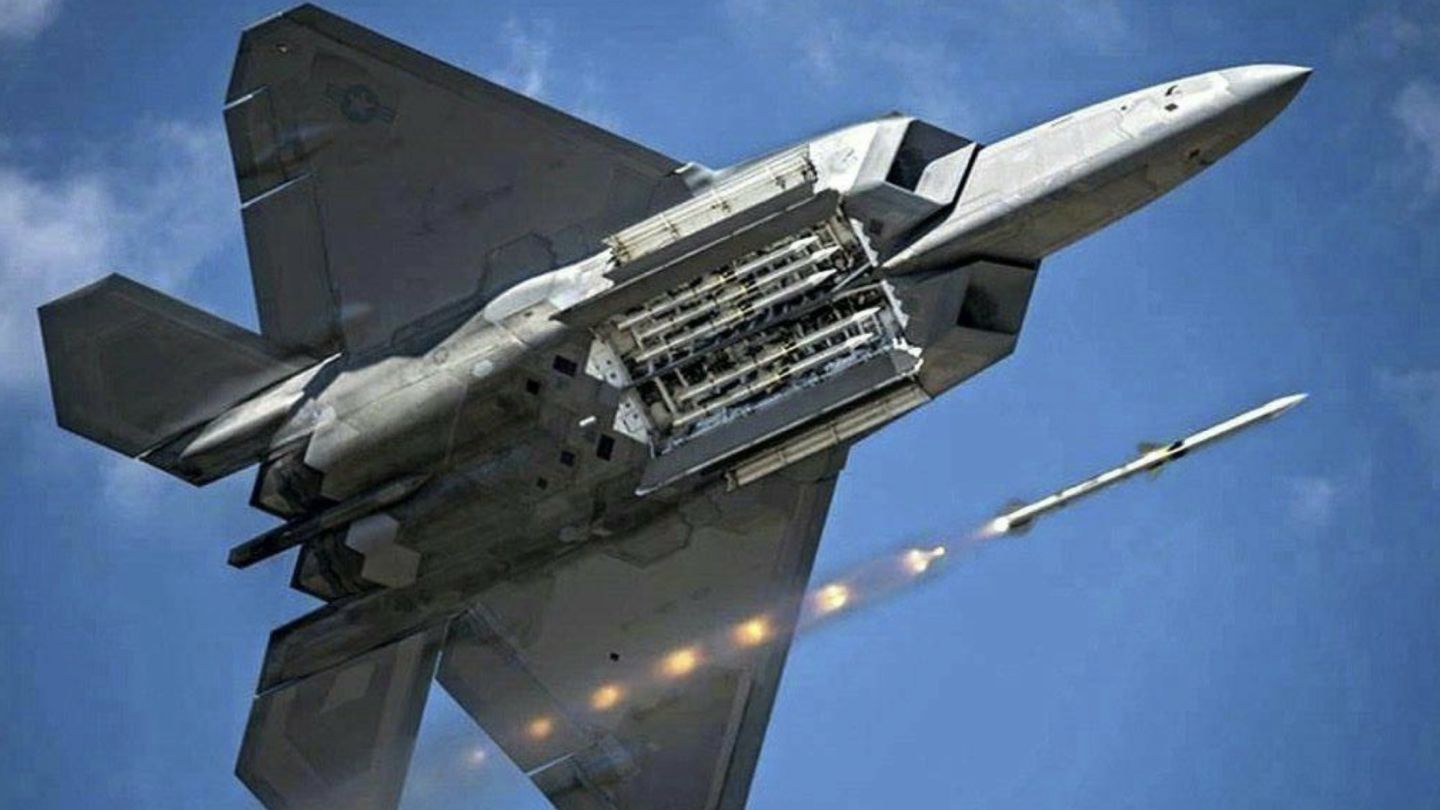
U.S. Air Force F-22 Raptor Fires AIM-120C Air to Air Missile
In response to the downing of a U.S. Air Force RQ-4A Global Hawk unmanned surveillance drone by Iranian air defences, the United States had reportedly planned to retaliate against three different Iranian military sites killing an estimated 150 people. U.S. President Donald Trump stated regarding these plans: “On Monday they shot down an unmanned drone flying in International Waters. We were cocked & loaded to retaliate last night on 3 different sights when I asked, how many will die. '150 people, sir,' was the answer from a General. 10 minutes before the strike I stopped it, not proportionate to shooting down an unmanned drone. I am in no hurry, our Military is rebuilt, new, and ready to go, by far the best in the world.” Regarding the means the U.S. would implement against Iran, the President stated: “They are a much weakened nation today than at the beginning of my Presidency, when they were causing major problems throughout the Middle East. Now they are Bust!… Sanctions are biting & more added last night. Iran can NEVER have Nuclear Weapons.”
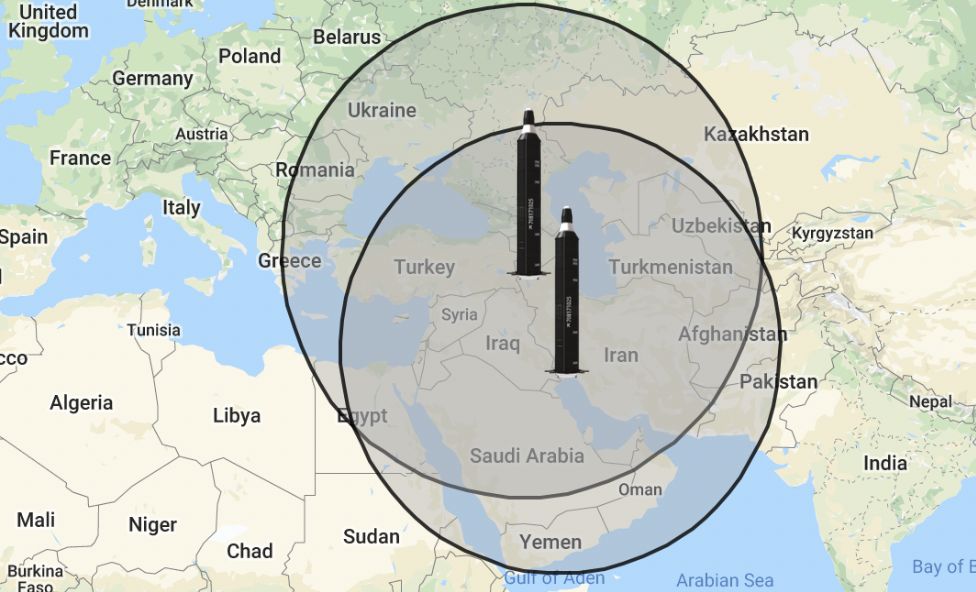
The U.S. has continued to expand its military presence in the Persian Gulf, deploying a wide array of assets from F-15C air superiority fighters, F-15E strike fighters and F-35A stealth fighters to B-52H heavy bombers, San Antonio Class assault ships, Patriot missile batteries and a full aircraft carrier strike group among others. Coupled with growing economic pressure and increasing use of secondary sanctions against third parties doing business with Iran, this maximum pressure strategy is intended to strain Iranian resources, erode popular support for the government in Tehran and undermine the country’s ability to wage war. Iran’s possession of a highly formidable deterrent capability, primarily comprised of North Korean designed ballistic missiles such as the Musudan and Rodong-1, means prospects for even limited military action remains unlikely. To what extent the United States intends to expand its military presence in the region, particularly given its commitment to the Asia-Pacific where it faces far more serious challenges to its primacy from China and North Korea, remains to be seen.
