
Target Iran; U.S. Air Force B-52H, F-15C and Stealthy F-35A Squadrons in Middle East Carry Out Joint Exercises
Military Watch Magazine Editorial Staff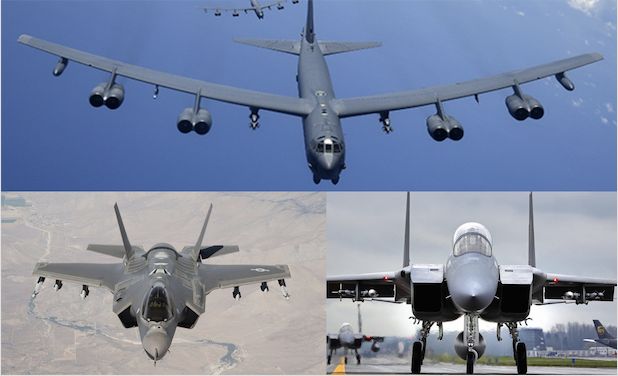
U.S. Air Force B-52H, F-35A and F-15C
U.S. Air Force B-52H Stratofortress nuclear capable heavy bombers recently deployed to Qatar have carried out joint exercises with F-15C Eagle and F-35A Lighting II fighters in the Persian Gulf - a major show of force aimed at deterring the potential provocations by the Islamic Republic of Iran and reassuring American allies. The exercises come amid fast rising tensions between Washington and Tehran, with tightening U.S. economic sanctions on Iran and threats by the Islamic Republic to withdraw from the nuclear non proliferation treaty and pursue a nuclear deterrent should American provocations continue. The U.S. Military has deployed a number of high end assets to the Persian Gulf to strengthen its position, which alongside Carrier Strike Group Twelve led by the warship USS Abraham Lincoln - a Nimitz Class supercarrier with five F-18E Super Hornet squadrons on deck - have included Patriot missile batteries, a San Antonio Class amphibious assault ship and a squadron each of B-52H and F-15C combat jets. Demonstrating a high level of combat readiness and the synergy between assets for which the U.S. Air Force is well known, drills between the Eagles and Stratofortresses, supported by lighter F-35A jets and KC-135 Stratotankers for aerial refuelling, represent among the most formidable displays of air power in the region in the last decade.
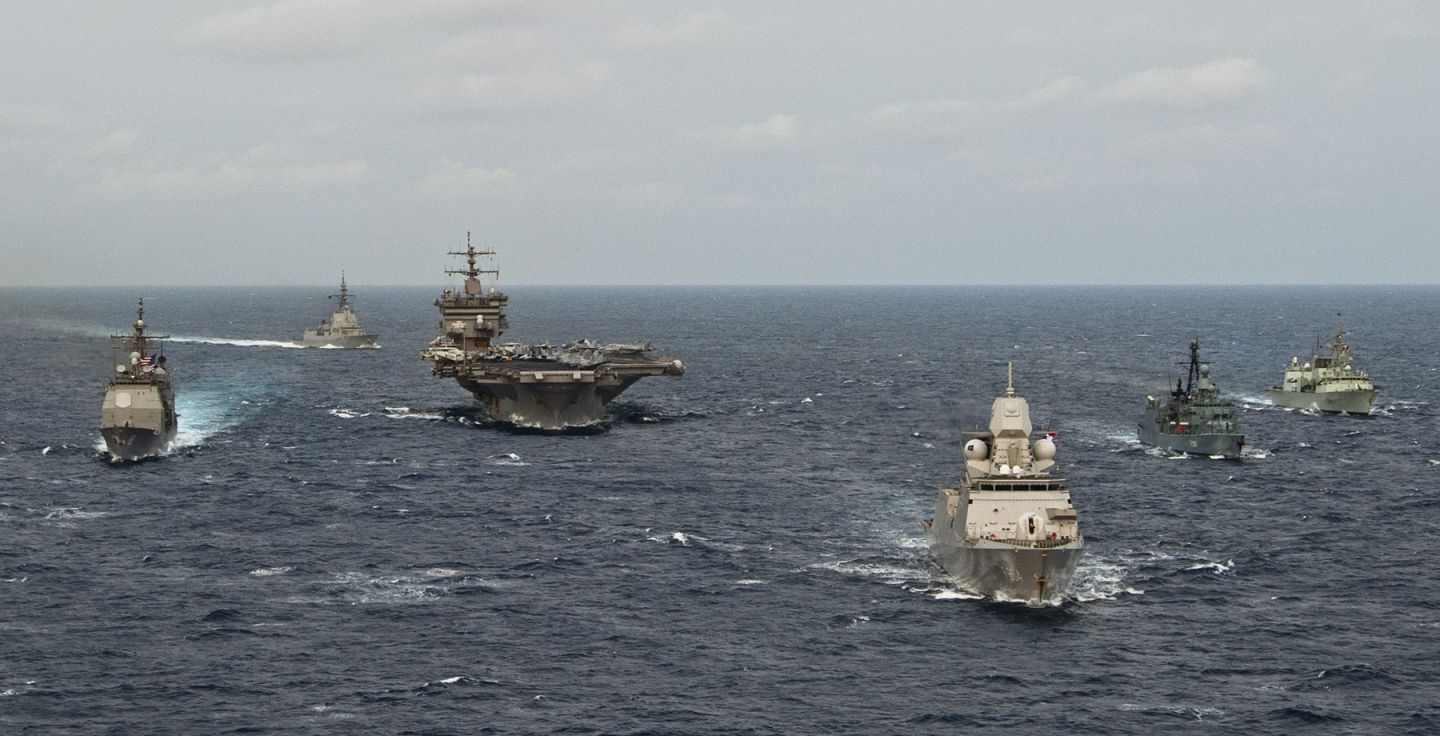
The B-52H is considered a vital asset in the event of war with Iran, with its massive weapons carrying capacity and ability to carry out precision strikes at extreme ranges highly prized. The four B-52H bombers between them can deploy up to eighty AGM-86 radar evading cruise missiles - considered more than sufficient to overwhelm long range air defences at most of Iran’s major cities and nuclear sites with a single salvo even without the additional firepower support of the carrier strike group. The Arleigh Burke Class destroyers and single Ticonderoga Class cruiser for their part can deploy several hundred Tomahawk cruise missiles for long range strikes of their own, though these missiles date back over 35 years and lack the advanced radar evading capabilities of the AGM-86 which combined with a very low subsonic speed makes them relatively easy to intercept. The B-52H is further valued for its ability to deploy heavy ordinance such as the Massive Ordnance Air Burst Bomb (MOAB) - which are highly valued for their ability to penetrate heavily fortified Iranian command centres and nuclear sites.
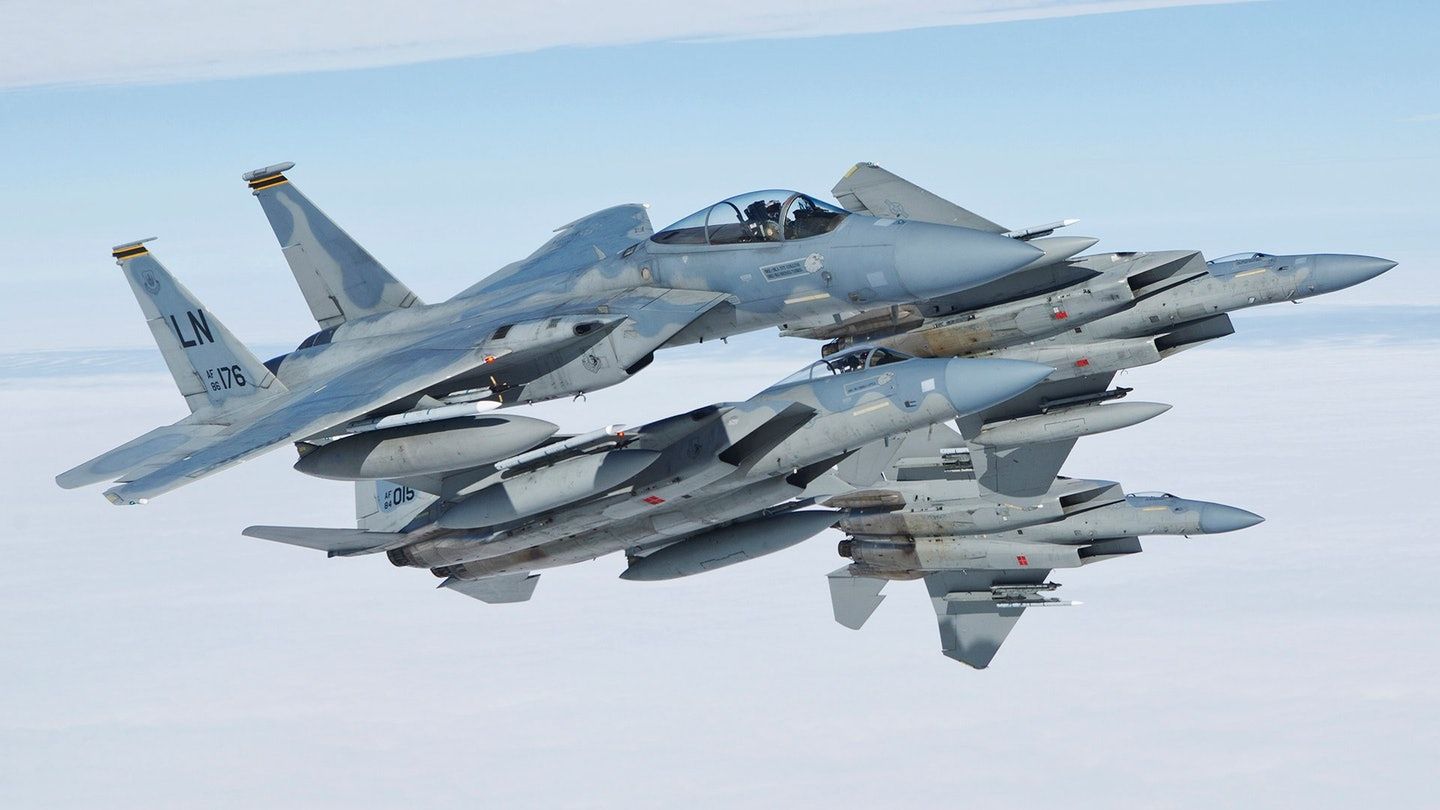
The F-15C Eagles provide high end air superiority capabilities vital to engaging competent adversaries such as Iran, and the heavy twin engine jets were deployed in May to replace the F-22 Raptors withdrawn three months prior. Eagles are considered key to protecting American bombers from potential standoff attacks by Iranian F-14 fighters, which are equipped with extreme range Fakour-90 air to air missiles and have the high endurance and speed necessary to quickly quickly close in on their targets over considerably distances. The F-35A for its part represents the latest addition to the American fighter fleet, though as of 2019 it is far from fully combat ready and is thus unlikely to be allocated any high risk combat missions - if any at all - in the event of a conflict with Iran. The fighter’s low altitude and speed are somewhat compensated for by advanced electronic warfare systems and a radar cross section reducing profile to improve survivability, and while it lacks the heavier F-15’s high missile carriage or a specialised air superiority airframe it can carry heavy bombs including tactical nuclear weapons such as the B61 for deployment against fortified enemy targets. The presence of the F-35A at present is likely primarily symbolic, with platforms such as the F-16V and F-15E set to be allocated support and strike roles until the newer fifth generation platform can be brought to a higher level of combat readiness and its performance bugs can be fixed.
