
Significant Delays in B-21 Bomber Program Expected - Senior Official
Military Watch Magazine Editorial Staff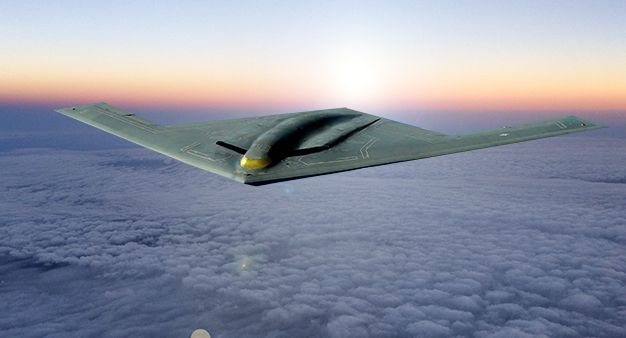
B-21Raider Stealth Bomber - Concept Art
A former senior official at the U.S. Defence Department, Frank Kendall, who served as Under Secretary of Defense for Acquisition, Technology, and Logistics for six years until 2017, has expressed serious doubts as to the schedule of the B-21 Raider next generation bomber program. The U.S. Air Force has notably set a highly ambitious schedule for the B-21, planning a first flight by the end of 2021 and entry into service by the mid 2020s. The bomber is set to replace the B-2 and ageing B-1B bombers currently in service, and planned acquisition of over 200 jets will allow the Air Force to significantly expand its bomber fleet. The aircraft is intended to be stealthier and more survivable than the B-2, but is also expected to benefit from lower maintenance requirements and a higher sortie rate which were the major shortcomings of its predecessor.
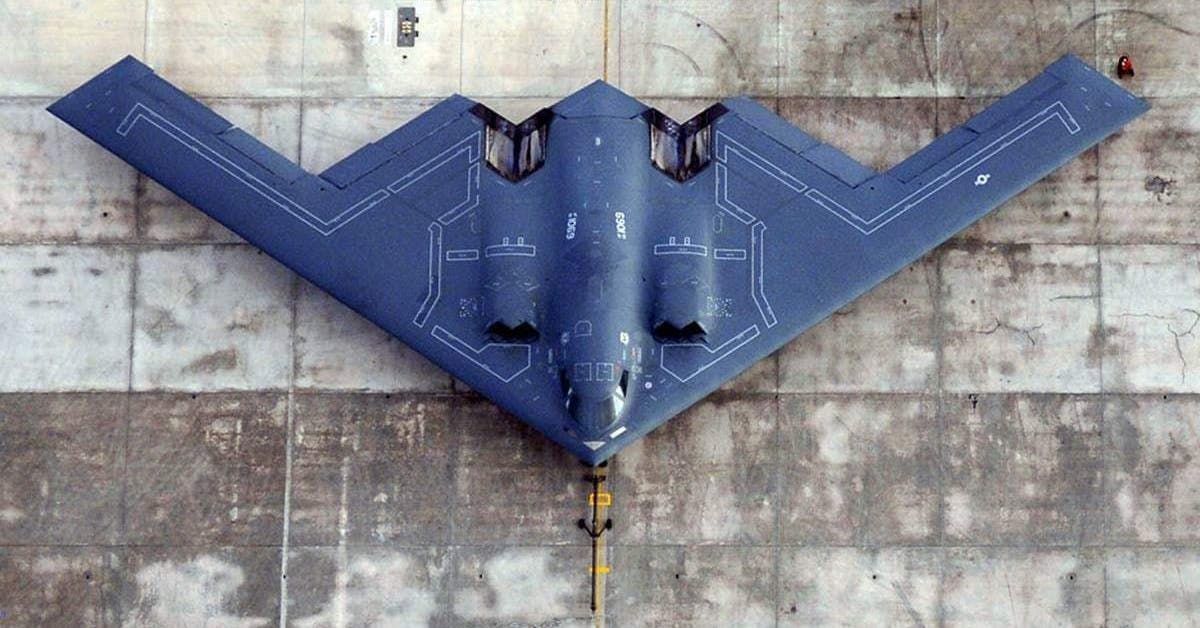
Speaking regarding the schedule of the B-21, former Secretary Kendall said he would not “bet on” a first flight by the end of 2021, further elaborating: "I’ll be amazed if they get this thing in on schedule and on cost.” Cost effectiveness both to acquire and to operate are expected to be strongly prioritised in the B-21 program, and are vital should the Air Force seek to meet its ambitious goal for a massive production run. The B-2 Spirit notably cost approximately $2 billion per aircraft, and is the most costly and high maintenance combat jet in the world to operate. It was reported in July 2019 that the U.S. Air Force had begun building the first prototype of the B-21, although the secretive nature of the program means that its design and capabilities remain a mystery.
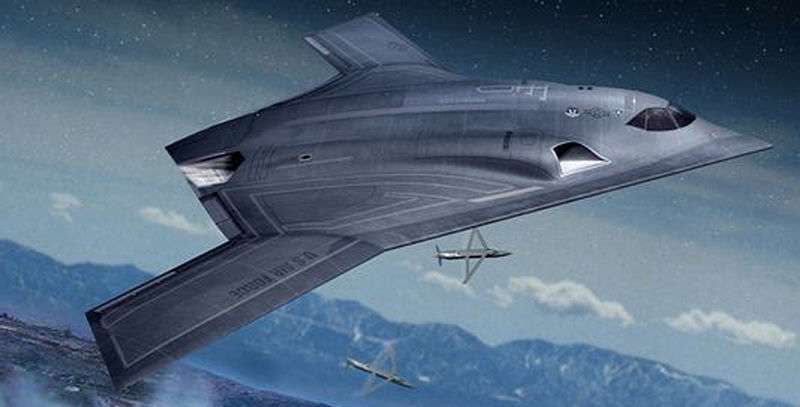
The B-21 is reportedly being developed with the capabilities of Russian, North Korean and particularly Chinese air defences in mind - and is intended to be able to strike heavily fortified targets in Western China where the country keeps its own strategic assets such as DF-5 ballistic missiles. A parallel program to develop a sixth generation fighter, the Air Dominance Fighter, specifically to escort the B-21 is also underway - and options to equip the bomber with air to air missiles for protection are also under consideration. Considering the significant delays and cost overruns in other recent U.S. programs to develop high end combat aircraft, the F-22 and F-35 being prime examples, at least some delays can reasonably be expected for the B-21. Parallel programs to develop next generation bombers are currently underway in China and Russia under the H-20 and PAK DA programs - the former which is expected to enter service before the B-21 in the early 2020s.
