
‘Russian Amazon’ Wildberries Shifts Logistics into Kazakhstan to Avoid Ukraine’s Intensifying Drone Strikes
Military Watch Magazine Editorial Staff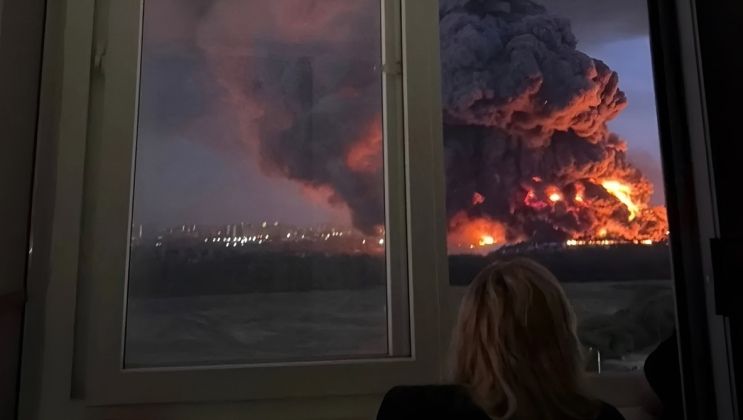
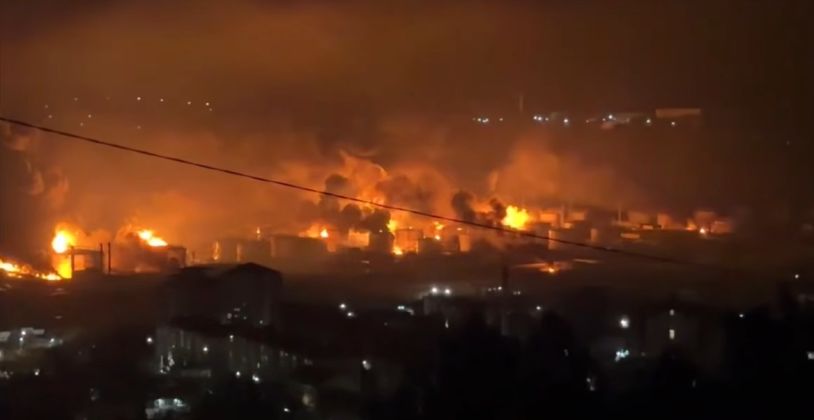
Wildberries Warehouse Burns After Ukrainian Drone Strike
Russia's largest e-commerce firm Wildberries is significantly expanding its logistics infrastructure in Kazakhstan, with the firm beginning construction of approximately 260,000 square metres of new warehouse space. This follows a significant expansion of Ukraine’s long-range drone campaign against Russian civilian targets to strike logistics facilities operated by the firm, with multiple strikes over the past several weeks having hit warehouses belonging to the retailer across western and central Russia. The latest attacks occurred overnight on August 4, when Ukrainian drones struck three Wildberries warehouses in different regions of Russia. A facility near St. Petersburg caught fire, while another warehouse in the Tver region sustained damage.

According to Kazakhstan’s Minister of Trade, the new facilities are expected to enter service in early 2027, representing one of the largest recent investments in the country’s e-commerce logistics sector. Although Wildberries has not officially described the move as a relocation of operations from Russia, the construction of such a large logistics complex suggests the company is shifting part of its warehousing capacity to Kazakhstan. The investment is expected to strengthen cross-border supply chains while providing greater flexibility for serving customers across Central Asia and the Eurasian Economic Union (EAEU).
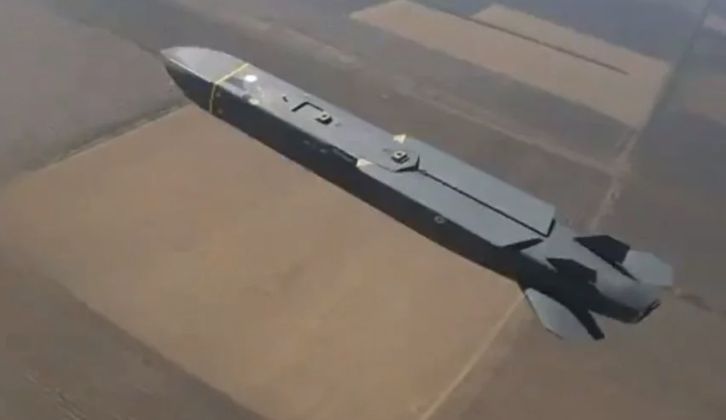
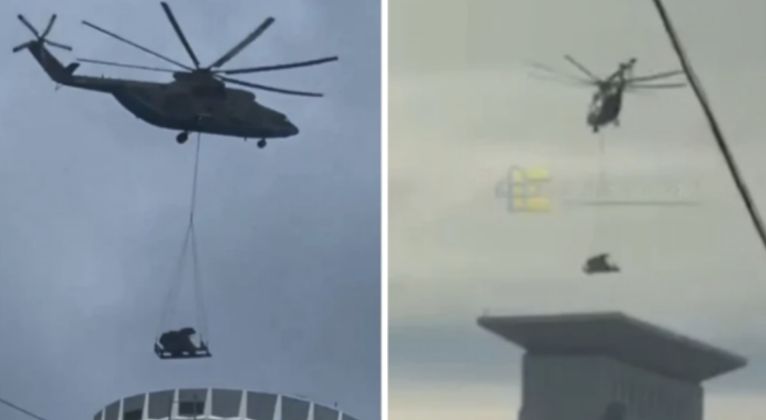
Drone and missile attacks launched from Ukraine against strategic targets in Russia have received very considerable support from across the Western world, including funding, training, supplies, and intelligence. Russian analysts have increasingly highlighted the Armed Forces’ inability to provide a viable defence against the increasingly frequent launches of large scale Ukrainian drone attacks, publishing images showing large urban blocks in flames across multiple population centres in the country. Russia has responded by seeking to strike drone production facilities, and by creating volunteer territorial air defence formations to expand anti-drone capabilities.

In late July a report by the Financial Times shed new light on the extent of Western intelligence support for Ukraine’s expanding deep-strike operations, which have increasingly targeted critical infrastructure hundreds of kilometres inside Russian territory. This intelligence has enabled Ukrainian planners to identify the locations of Russian air defence systems and construct flight paths allowing drones to bypass them. Russian government sources have issued explicit warnings regarding European production and supplies of unmanned attack aircraft to Ukraine, in several cases indicating that the facilities involved could become targets.
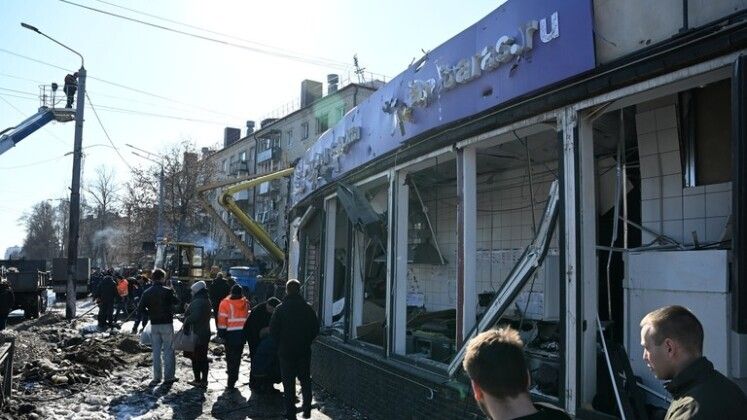
One of the largest Wildberries distribution centres in the Samara region suffered catastrophic damage after a drone attack destroyed approximately 160,000 square metres of warehouse space, reportedly consuming almost all inventory stored at the site. Another major warehouse in the Vladimir region was severely damaged despite the efforts of hundreds of firefighters to contain the blaze. Reuters reported that the repeated attacks have affected numerous Wildberries logistics hubs across Russia, forcing the firm to reorganise distribution operations and seek additional warehouse capacity abroad, primarily in Kazakhstan.
Often compared to Amazon due to its dominant position in online retail, the company processes millions of orders each day through an extensive nationwide logistics network linking warehouses, sorting centres and delivery hubs. Disrupting these facilities has consequences extending well beyond direct physical damage, affecting thousands of merchants and creating delays across Russia's consumer supply chains. Industry estimates indicate that a substantial proportion of the company's warehouse capacity has been temporarily taken offline since the campaign began. The repeated strikes illustrate Ukraine's increasing willingness to attack targets whose principal value lies not in direct military utility but in their contribution to Russian economic stability.
