
Russia Willing to Provide Hypersonic Air Defence Systems to Iran - S-400 Missile Batteries Could Soon Defend Tehran
Military Watch Magazine Editorial Staff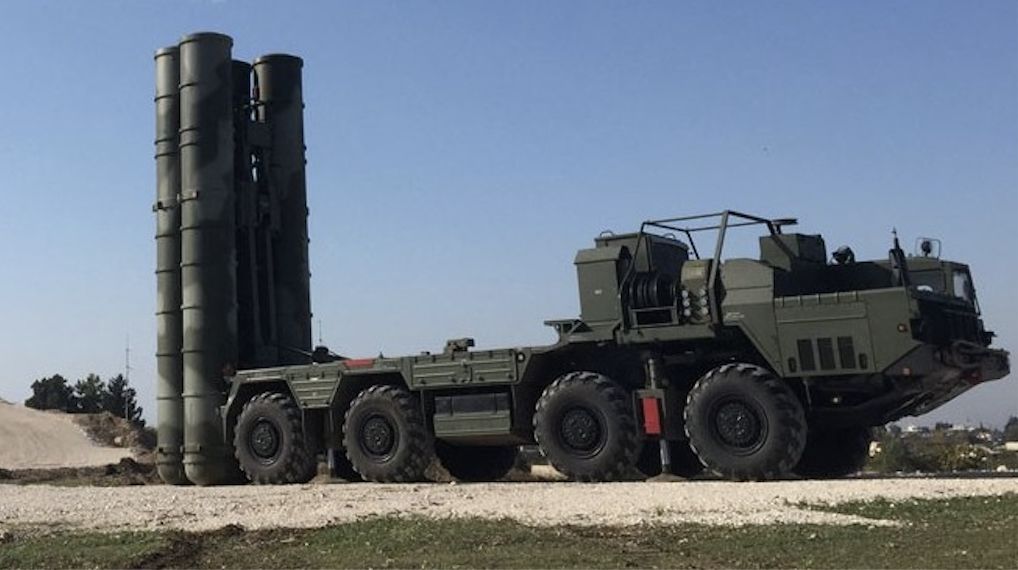
S-400 Surface to Air Missile Battery
A recent report from the Russian Federal Service of Military-Technical Cooperation has stated that the service remains open to talks with the Islamic Republic of Iran for sales of the S-400 long range surface to air missile system. The report stated: "We are open for discussions on delivering S-400 Triumph air defence systems, including to Iran. Especially given that this equipment is not subject to restrictions outlined in UN Security Council's resolution, issued on June 20, 2015. We have not received an official request from our partners on this matter yet.” In mid June 2019 Iran expressed interest in acquiring high end weapons systems from abroad - which was widely speculated to be alluding primarily to new aerial warfare systems such as aircraft and air defences. The secretary of Iran's Supreme National Security Council, Ali Shamkhani, stated to this effect: “We currently face demonstrative threats. Nevertheless, when it comes to air defence of our country, we consider using the foreign potential in addition to our domestic capacities.” Russian S-400 and S-300V4 long range hypersonic missile systems and Su-30 and Su-35 air superiority fighters were speculated to be platforms in which Tehran was likely to have particularly interest - given the shortcomings of its own defence sector in these fields.
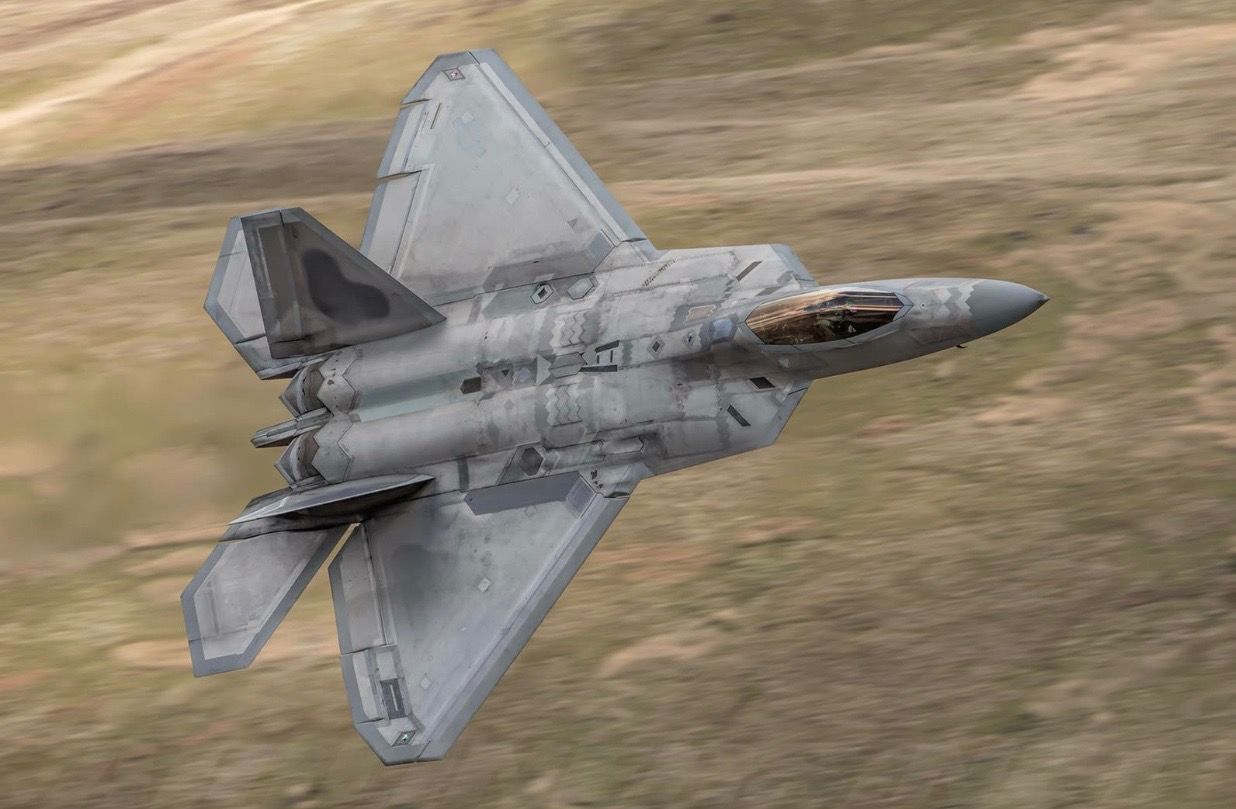
In late May 2019 a number of prominent Western new outlets reported that Russia had refused an Iranian request to purchase the S-400 system. These reports came a time of rising tensions between Iran and the United States, and depicted Tehran as increasingly isolated even from other Western adversaries. Russian official sources later refuted these claims as fake news, stating that Iran had not shown interest in the S-400 system and Russia, therefore, had not been in a position to deny such a sale. Iran acquired the S-300PMU-2 surface to air missile system in 2016 - a platform which dates back over 20 years in its service and retains limited capabilities relative to the S-400. The platform is far more limited in the number of targets it can engage simultaneously - 32 to the S-400’s 80 - and lacks the newer systems’ access to state of the air missiles such as the 40N6E, its counter stealth capabilities and its powerful sensors among other shortcomings. With Iran’s relatively small defence budget so far preventing major investments in large numbers of modern combat aircraft such as the Su-35 or MiG-35 - with only two of its seventeen fighter squadrons compatible with modern air to air missiles - investment in the S-400 may well be seen as a more cost effective means of strengthening its defences. As its adversaries deploy larger numbers of more sophisticated combat aircraft, including U.S., Israeli and possibly Turkish and Emirati deployments of radar evading stealth fighters, the need for a more advanced air defence capability and more effective countermeasures to stealth technologies has grown.
