
Russia Focuses Funding on Nuclear Triad Modernisation as ‘Unconditional Priority’
Military Watch Magazine Editorial Staff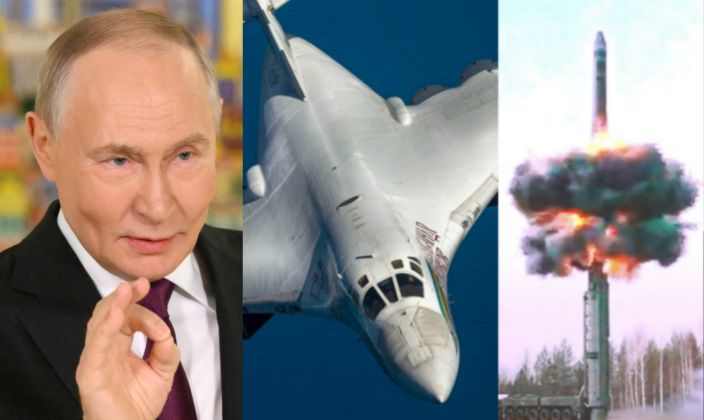
Vladimir Putin, Tu-160 Bomber and Yars ICBM Launch
Russian President Vladimir Putin has announced that the country will continue to treat the modernisation of its nuclear triad as an “unconditional priority” in broader efforts to strengthen the capabilities of the armed forces and tech sector. ”The development of the nuclear triad, which guarantees Russia’s security and enables us to effectively ensure strategic deterrence and balance of power in the world, remains our unconditional priority,” he stated. The president at the time pledged to strengthen the army and navy using combat experience from the Ukraine conflict, and t improve combat readiness across all military branches with the help of Russia’s science and high-tech industries.
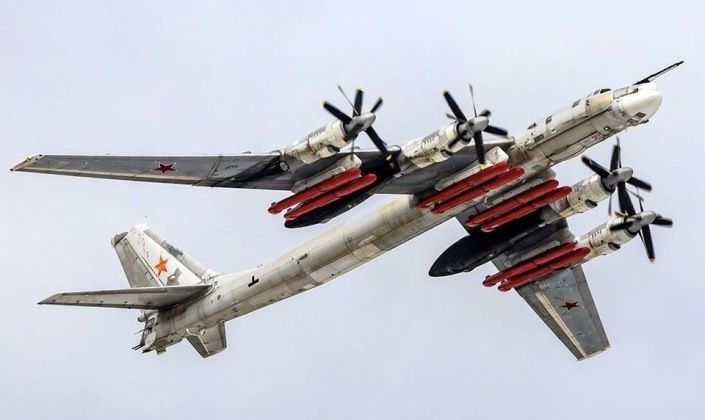
Putin’s address was made at a time of high tensions and rising tensions with NATO across multiple theatres, and less than a month after the expiration of the New START Treaty, a bilateral agreement reached in 2010 which had limited the U.S. and Russian arsenals to 1,550 deployed strategic nuclear warheads on 700 delivery systems. The United States refused multiple offers to extend to treaty or to reach a new agreement. Preceding the treaty’s expiry, the importance of the Russian nuclear deterrent had continued to gain growing attention since the outbreak of full scale hostilities in the Ukrainian theatre in February 2022, as a primary factor preventing NATO members from further expanding their already very extensive military involvement on the ground.
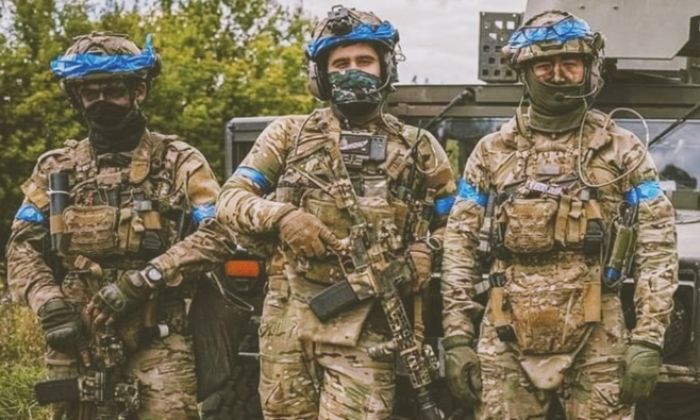
The significance of the Russian nuclear deterrent in the context of the conflict of Ukraine was alluded to in November 2024 by head of the NATO Military Committee Admiral Rob Bauer, who highlighted the central role Russia’s nuclear forces played in deterring the Western world from initiating an open conflict with Moscow directly. He asserted that the nuclear deterrent was the central factor distinguishing it from the Taliban in Afghanistan regarding its ability to combat NATO forces. “I am absolutely sure if the Russians did not have nuclear weapons, we would have been in Ukraine, kicking them out,” he added. A year later in November 2025 former NATO Secretary General Jens Stoltenberg confirmed that the unacceptable risk of open conflict with a nuclear armed Russia was the primary factor preventing Western Bloc states from a more direct intervention in the Ukrainian theatre against Russia.
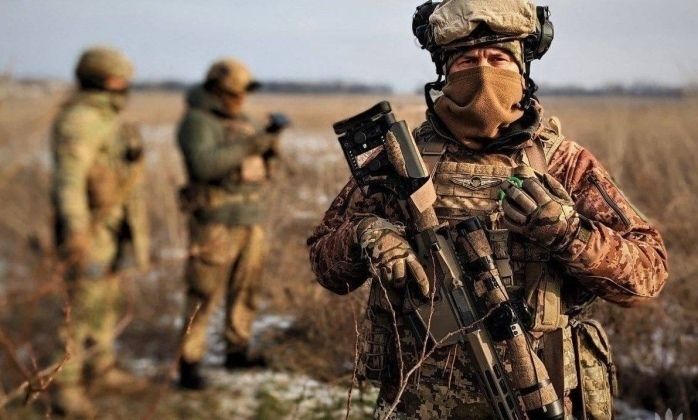
In late January, Deputy Chairman of the Russian Security Council Dmitry Medvedev stressed the importance of the country’s nuclear deterrent in guaranteeing its continued existence, observing: “Without nuclear weapons, it is quite possible that our country would no longer exist. Whether that be the Soviet Union then or Russia today.” He predicted a new era of nuclear proliferation and further escalation of the nuclear arms race between Russia and the Western Bloc. Commenting in January on the impact of Russia’s newest strategic nuclear delivery system, the Oreshnik hypersonic ballistic missile, and its importance for deterring NATO attacks, head of Russia’s Foreign Intelligence Service Sergey Naryshkin reported that the combat use of the missile with a conventional warhead on January 8 against targets in western Ukraine had a “staggering” effect on defence planners in the Western world. The West perceived it “as a warning against their military’s direct involvement… in the hostilities.”
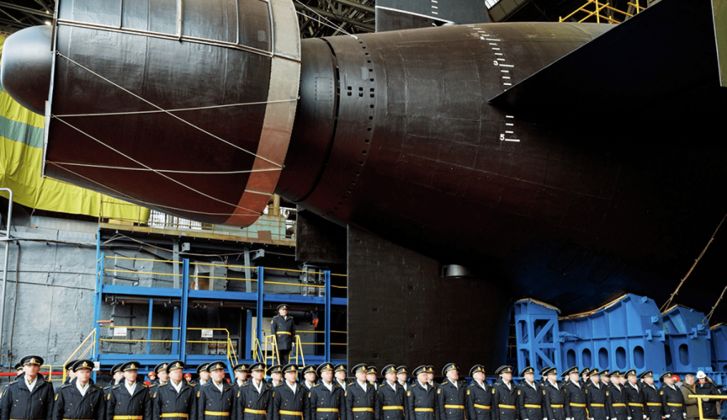
Commenting on the impact of Russia’s development of new nuclear delivery systems on policymakers in the Western world, Naryshkin assessed that the service entry of the Oreshnik and other advanced strategic assets were forcing the West to reconsider the possibility of further escalation, citing the Burevestnik cruise missile and Poseidon torpedo as examples. Both are nuclear armed and nuclear powered, have no counterparts abroad, and have effectively unlimited ranges. “Most politicians and the military… in the West did not expect Russia to develop such advanced weapons systems within a relatively short timeframe,” Naryshkin stated. The United States has notably faced repeated delays in modernising its nuclear forces, with the Sentinel ICBM program and B-52J strategic bomber program both facing very significant delays and cost overruns which has raised the possibility of their cancellation, while multiple key hypersonic missile programs have been cancelled, and even the relatively B-21 bomber program has also suffered not insignificant delays.
