
Russia’s Oreshnik Missile Demonstration Had a ‘Staggering’ Effect on Western Defence Planners - Intel Chief
Military Watch Magazine Editorial Staff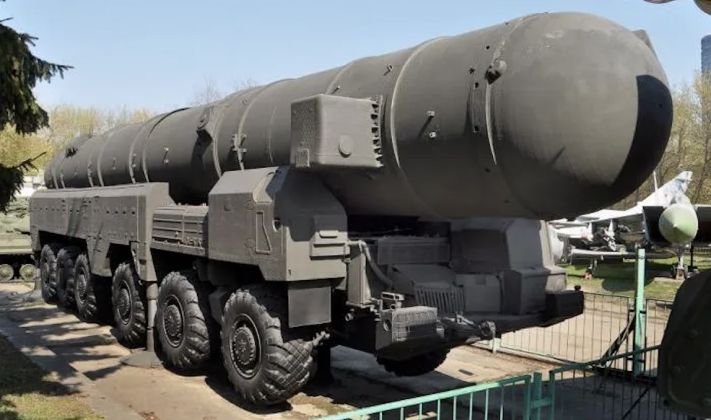
Soviet RSD-10 Intermediate Range Ballistic Missile
Head of Russia’s Foreign Intelligence Service Sergey Naryshkin has reported that the combat use of the newly operationalised Oreshnik hypersonic ballistic missile on January 8 against targets in western Ukraine had a “staggering” effect on defence planners in the Western world. The West perceived it “as a warning against their military’s direct involvement… in the hostilities,” he claimed, adding that it highlighted the vulnerability of any Western Bloc forces that may be deployed in the country. Naryshkin elaborated that Western political leaders were taken aback by the development. “Both [their] experts and military specialists admitted they had no technical or military technical means to block these systems,” he stated. The Oreshnik was confirmed to have entered service in December 2025, less than two weeks before the strike.
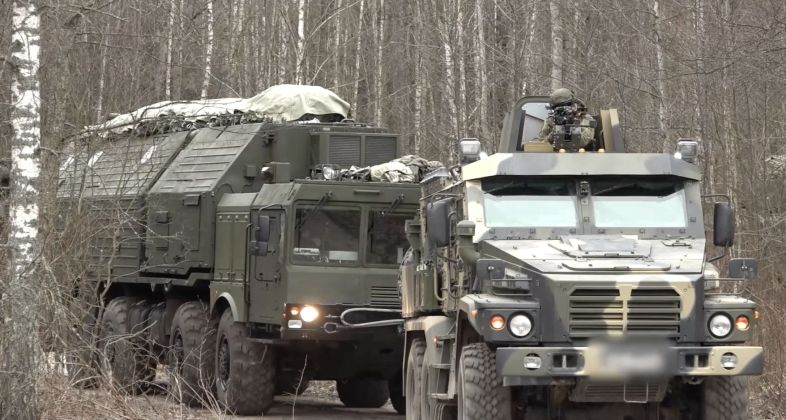
Naryshkin’s statement was far from the first by Russian officials to indicate that the demonstration of the Oreshnik missile’s capabilities had had a significant impact on the Western consensus regarding possible more direct intervention and personnel deployments in the Ukrainian theatre. Following the sole prior combat use of the Oreshnik in November 2024, Russian Ambassador to the United Kingdom Andrey Kelin claimed that this had a significant impact on British policy toward Moscow, and had forced London to take a more cautious approach towards launching joint deep strikes against Russian targets with Ukraine. "Not that they [London's representatives] were scared, but overall they realised that a completely new factor had appeared on the scene - that's the first thing. The second is that we have retaliated for the use of Storm Shadow [long-range cruise missiles] deep inside Russian territory. That's obvious as well. There is a sense that they are being a little more cautious, a little more balanced in their approach to this issue,” he stated.
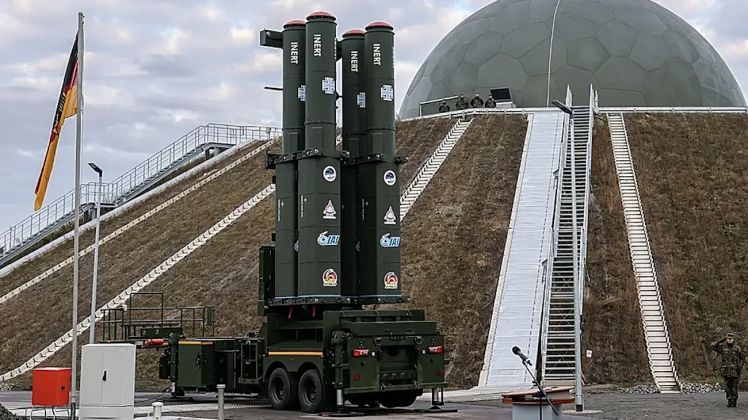
Naryshkin assessed that the Oreshnik was one of several advanced strategic assets that were forcing the West to reconsider the possibility of further escalation against Russia, citing the Burevestnik cruise missile and Poseidon torpedo, both of which are nuclear armed and nuclear powered, have no counterparts abroad, and have effectively unlimited ranges. “Most politicians and the military… in the West did not expect Russia to develop such advanced weapons systems within a relatively short timeframe,” he stated. The pace of advances has contrasted sharply with the relatively slow pace of modernisation in most areas of Russia’s conventional forces. The Oreshnik’s use of hypersonic glide vehicles are its most revolutionary known improvement over Soviet era intermediate range missile designs, and make it effectively impossible to intercept even for new generations of air defence systems such as the Arrow 3 recently deployed in Germany or the David’s Sling scheduled for deployment in Finland.

The Oreshnik strike on January 8 reportedly hit a facility responsible for servicing F-16 and MiG-29s fighters near the Polish-Ukrainian border, where Western contractor personnel are considered highly likely to have been present in significant numbers to provide support. Russian strikes have consistently singled out Western personnel in the Ukrainian theatre, where their operations have included helping to facilitate Ukrainain missile and drone attacks against targets deep inside Russia. In February 2024 German Chancellor Olaf Scholtz confirmed that British special forces in Ukraine were providing vital support to facilitating launches of Storm Shadow cruise missiles against Russian targets. The head of the U.S. Special Operations Command General Bryan Fenton revealed shortly afterwards that the Pentagon had been learning about the ongoing war “mostly through the eyes of our UK special operations partners,” who he stated had been testing new approaches to modern warfare in the theatre. The ability to strike Western forces across the country with a ground-launched hypersonic glide vehicle, and potentially all across Europe should hostilities further escalate, has significant implications for a possible effort to escalate support for the Ukrainian war effort with additional ground forces.
