
Europe’s First Intermediate Range Missile in 47 Years is Now on Combat Alert in Belarus
Military Watch Magazine Editorial Staff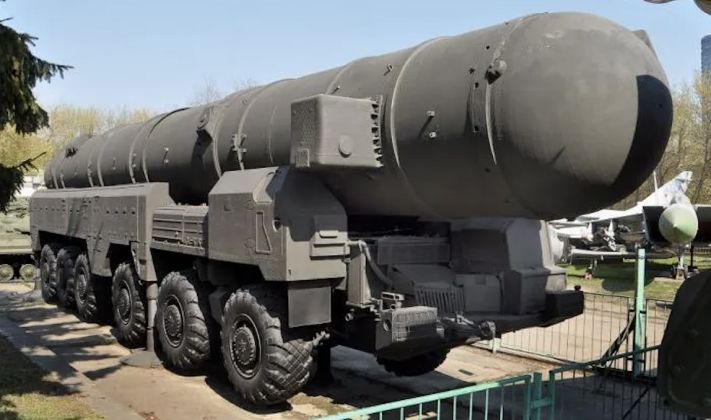
Soviet RSD-10 Intermediate Range Ballistic Missile
Russian state media sources have released first footage of the new Oreshnik intermediate-range hypersonic ballistic missile, almost a year after a prototype was first combat tested against Ukrainian targets in November 2024, and closely coinciding with its confirmed entry into frontline service. Commenting on the system’s operationalisation, the Russian Defence Ministry observed: "A solemn ceremony was held in the Republic of Belarus for the unit outfitted with the Oreshnik road-mobile missile system to assume combat duty. The flag of the Strategic Missile Force was raised after the end of the military ritual of placing crews on combat duty.” The statement elaborated that launch combat crews, signal corps, security and power supply personnel, and driver-mechanics had undergone advanced training on modern simulators to prepare for the systems’ service entry.
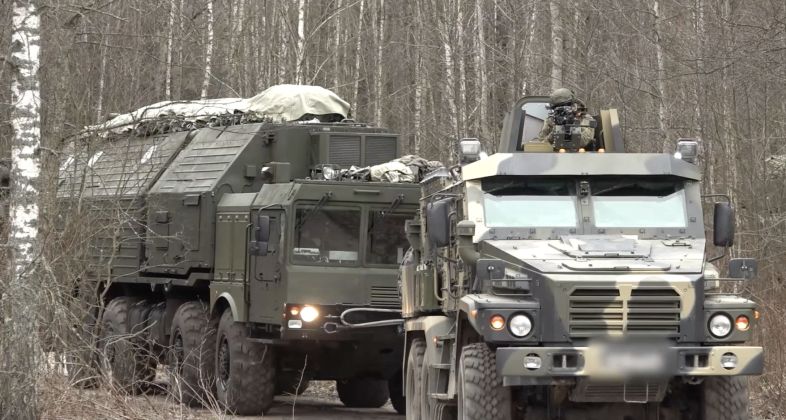
The Oreshnik is the first ground-based intermediate range ballistic missile type to have become operational in Europe in close to half a century, after the Intermediate Range Nuclear Forces treaty signed in 1987 banned the deployments of such missiles by Russia and the Untied States. This resulted in the retirement of the Pershing IA short range and Pershing II medium range ballistic missiles deployed by the United States Armed Forces, as well as the Soviet R-12 medium range and R-14 and RDS-10 intermediate range ballistic missiles and RK-55 intermediate range cruise missiles. The United States withdrew from the treaty in 2018, and is expected to deploy ground-based Tomahawk cruise missile launchers to multiple sites in Europe as a result. The Oreshnik is one of several formerly treaty-prohibited missile types that Russia is expected to field, with footage from within the country indicating that it has already procured Pukkuksong-2 medium range ballistic missiles from North Korea.
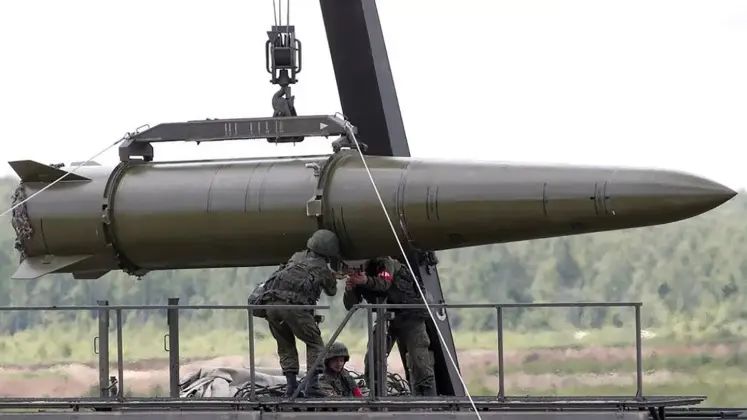
The Oreshnik was first confirmed in June to have entered serial production, and is estimated to have a 4000 kilometre range while carrying multiple independently re-targetable warheads mounted on hypersonic reentry vehicles, which can manoeuvre and approach targets from unexpected directions. Its penetrative capabilities seriously limit the ability of traditional air defence systems, such as Germany’s recently procured Arrow 3 system, to intercept them. Satellite images indicate that multiple military facilities across Belarus are being prepared to host the systems, which will have access to nuclear warheads under the nuclear sharing agreement between Moscow and Minsk. The system’s delivery to the Belarusian Armed Forces complements prior deliveries of short ranged Iskander-M ballistic systems.
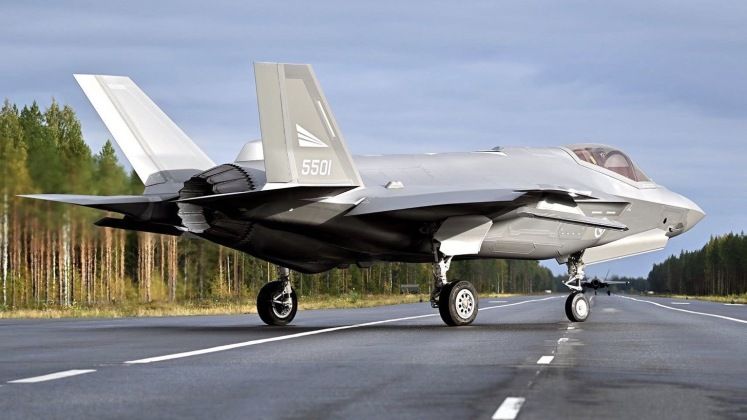
The Oreshnik’s missile’s advanced capabilities provide Russia and Belarus with a means of asymmetrically countering NATO’s collective conventional superiority in a number of areas, most notably its air power, as F-35 fifth generation fighters deploying in growing numbers across Europe are seen to pose an increasingly serious threat to both countries. All the United States’ nuclear sharing partners including the United Kingdom, Belgium, the Netherlands, Germany, Italy, and Turkey have placed orders for the nuclear-capable F-35A to be able to more effectively deliver nuclear attacks. There have been indications from the Pentagon that further NATO members could be provided with access to nuclear weapons under new sharing agreements.
