
Russia Uses New Oreshnik Hypersonic Missile to Strike Near Ukraine’s NATO Borders: Alerts U.S. and China Before Attack
Military Watch Magazine Editorial Staff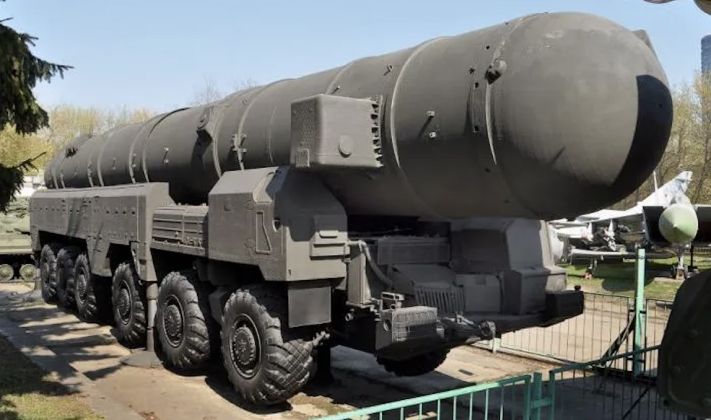
Soviet RSD-10 Intermediate Range Ballistic Missile
The Russian Armed Forces on January 8 launched an intermediate-range ballistic missile strike on a target in Ukraine’s Lviv region, near its NATO borders. The missile was launched from the Kapustin Yar test range, and represents the type’s first combat use since it was confirmed to have entered service in December 2025. Russian government sources reported that the strike was launched in retaliation for an attempted Ukrainian drone attack using several dozen aircraft to target the residence of Russian President Vladimir Putin. Ukrainian Minister of Foreign Affairs Andrii Sybiha observed regarding the attack “Russia claims it used an intermediate-range ballistic missile, so-called ‘Oreshnik’, against Lviv region… Such a strike close to the EU and NATO border is a grave threat to the security on the European continent and a test for the transatlantic community.”
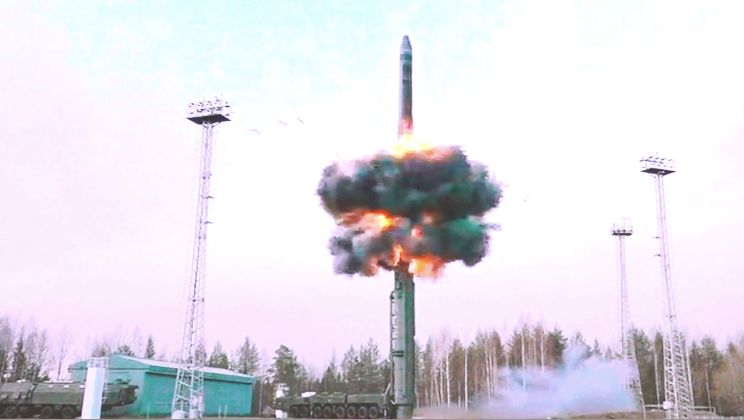
A notable aspect of the new missile strike was that Russia provided early notifications to both the United States and China regarding the planned firing window and the approximate impact area, seeking to avoid misinterpretation of the launch as a potential intercontinental range nuclear strike. The Untied States has since the 1960s closed monitored Russia’s ground-based strategic missile deterrent to provide an early warning of potential launches. Intermediate-range ballistic missiles share many common characteristics in their flight profiles with intercontinental-range ballistic missiles, raising room for misinterpretations of launches. Russia has not developed such missiles since the Cold War, when it was forced to dismantle its medium- and intermediate-range arsenals under the Intermediate Range Nuclear Forces Treaty from 1989. The United States withdrew from the treaty at the end of the 2010s, and had in the preceding years begun development of its own land-based cruise missiles.
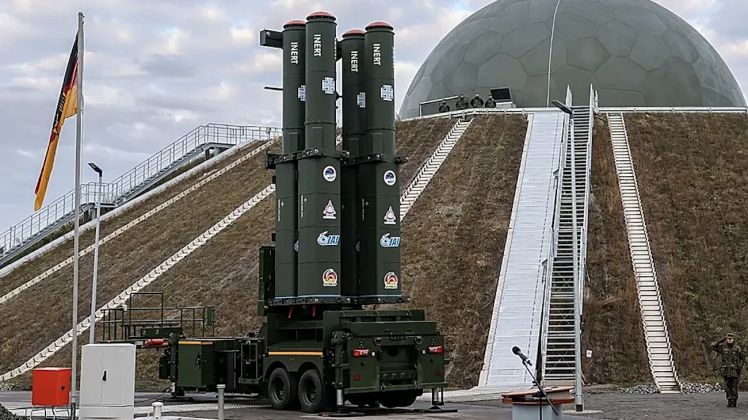
It remains possible that the Oreshnik missile fired on January 8 was a prototype, potentially testing an upgrade package, or else eliminating a missile that would never have been brought into active service. Its firing from a test range has raised further questions regarding whether any actively serving battalions within Russia have received the missiles. The only unit confirmed to have received them is based in Belarus, where forward infrastructure is being expanded to accommodate a much larger arsenal. The Oreshnik is estimated to have a 4,000 kilometre range while carrying multiple independently re-targetable warheads mounted on hypersonic reentry vehicles, which can manoeuvre and approach targets from unexpected directions. This provides it with advanced penetrative capabilities that seriously limit the ability of traditional air defence systems, such as Germany’s recently procured Arrow 3 system and the MIM-104 Patriot systems deployed across Europe, to intercept them.
