U.S. Air Force Ready For 65 Percent Expansion of Core Nuclear Armed Bomber Fleet
Military Watch Magazine Editorial Staff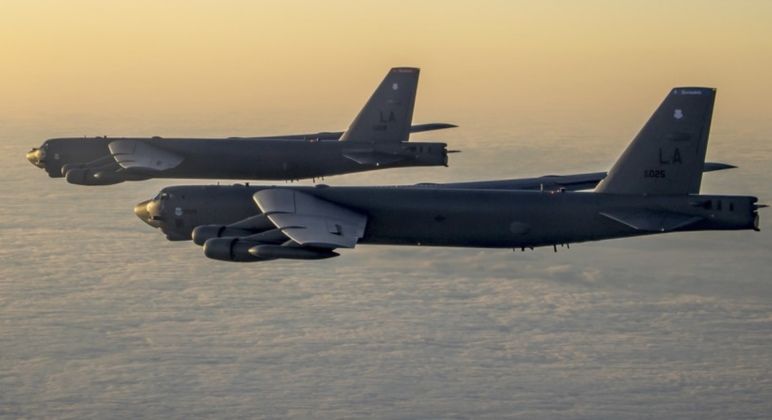
U.S. Air Force B-52H Strategic Bombers
The U.S. Air Force Global Strike Command has announced that it is prepared to restore nuclear weapons capability for the entire operational B-52H Stratofortress bomber fleet, after limitations imposed by the New START arms control treaty with Russia expired without a follow-on agreement in place. “The conclusion of New START allows us to streamline our focus and dedicate more resources to our core mission: ensuring a safe, secure, and effective nuclear deterrent… This managed transition enhances our operational readiness and our ability to respond to the nation’s call,” a spokesman from the command announced. The B-52H is currently the most widely fielded bomber type in the Air Force, with 76 in service, of which just 46 are currently capable of employing conventional munitions. New START imposed hard caps on the total number of deployed nuclear-capable bombers, as well as ICBMs, strategic nuclear warheads, and launchers.
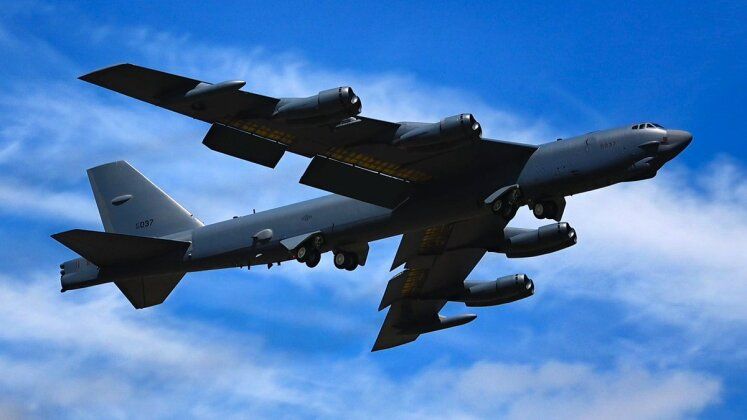
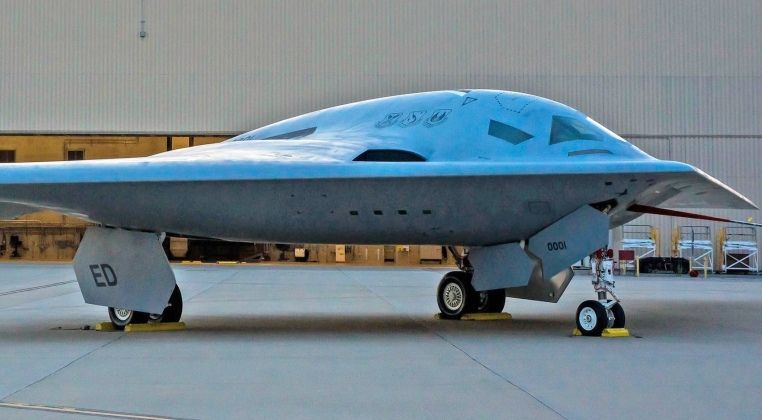
The B-52 is particularly heavily relied on for nuclear delivery, with the newer B-2 Spirit bomber fielded in low numbers, having low availability rates, and lacking any remotely comparable beyond visual range weapons delivery capabilities, while its stealth features are considered increasingly out of date. The B-1B bomber fleet meanwhile has no nuclear delivery capability, with the majority of the aircraft having been withdrawn from service. The process of de-nuclearising a portion of the B-52 fleet involved “removing the nuclear code enabling switch and interconnection box, mounting a code enabling switch inhibitor plate, removing applicable cable connectors, [and] capping applicable wire bundles,” which is highly feasible the reverse. Doing so, however, would likely prompt the Russian Aerospace Forces to similarly enlarge its own nuclear-armed bomber fleet, with Russian officials having made clear that they will not move away from the limitations of New START unless the U.S. does so first.
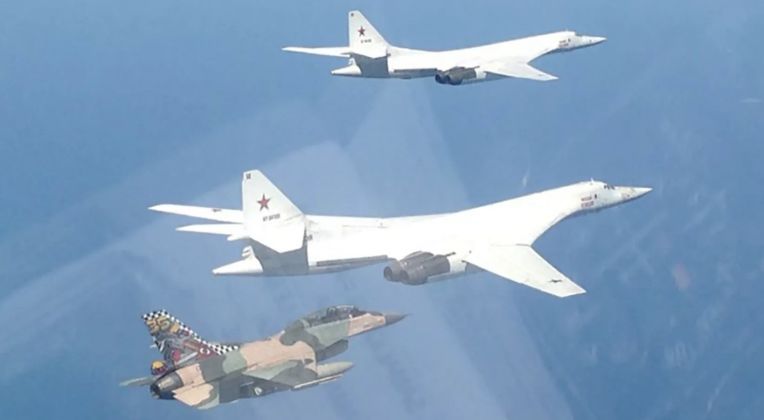
The B-52’s capabilities are increasingly out of date, with its ageing radar considered relatively straightforward to jam, while efforts to modernise the fleet under the B-52J program suffering significant delays and cost overruns. The aircraft has formed the backbone of the U.S. strategic bomber fleet since the 1960s, and after playing a central role in the Vietnam War, has been heavily relied on for combat operations against Afghanistan, Yugoslavia, Libya and Iraq among other targets. The eight engine aircraft has been relied on for shows of force across the globe, from the Persian Gulf targeting Iran, to the Arctic targeting Russia, the South China Sea targeting China, and near the Korean Peninsula to target North Korea. The bombers have more recently been deployed to stage multiple shows of force in the the Caribbean from mid-October 2025 as part of a military buildup against Venezuela.