
British Defence Secretary Announces Hopes of Ground Force Deployment in Ukraine - Are They Already There?
Military Watch Magazine Editorial Staff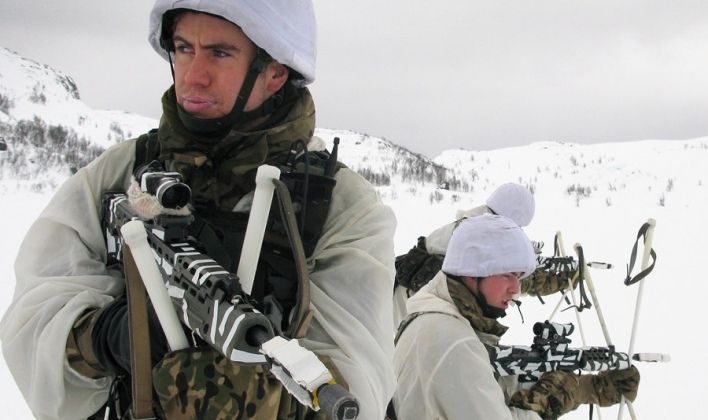
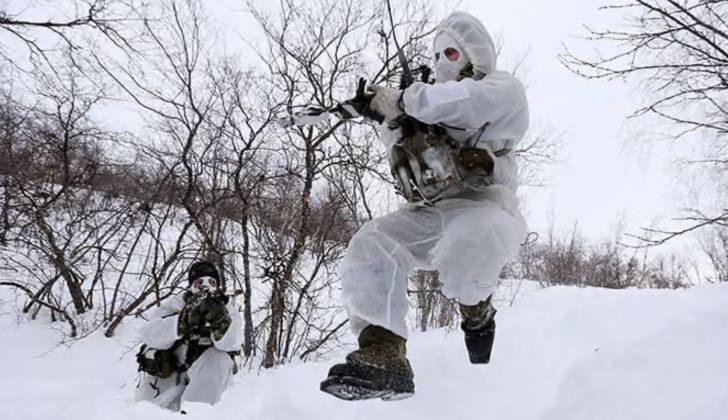
British Royal Marines on Winter Deployment
UK MoD
British Secretary of State for Defence John Healey has announced that he hopes to be the first holder of his office to deploy forces in Ukraine. “I want to be the defence minister who sends British troops to Ukraine - because that will mean the end of this war. It will mean that we have concluded peace negotiations in Ukraine. And a secure Europe needs a strong, sovereign Ukraine,” he stated. The United Kingdom has already maintained a significant presence on the ground in the Ukrainian theatre, with details on the British Armed Forces’ involvement having gradually emerged over almost four years of conflict. British Deputy Chief of Defence Staff Royal Marines Lieutenant General Robert Magowan in December 2022 revealed that the Marines had been carrying out high risk operations alongside Ukrainian government forces from April that year. 300 personnel from the Royal Marines 45 Commando Group were revealed to be conducting “discreet operations,” with Magowan stressing that these were carried out “in a hugely sensitive environment and with a high level of political and military risk.”
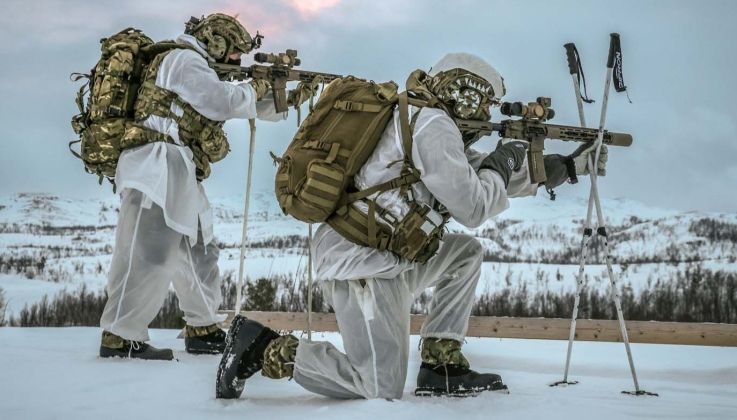
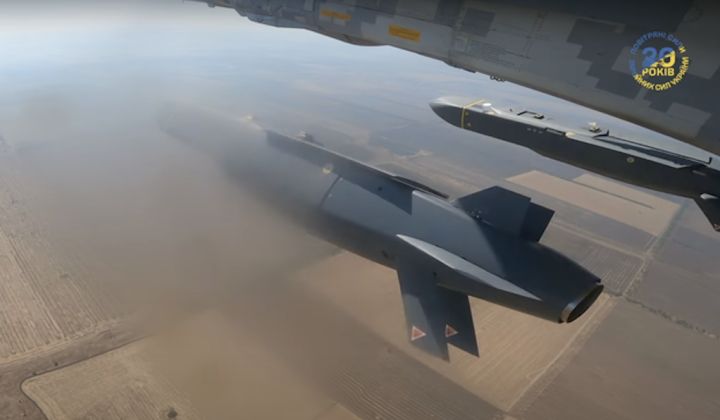
The British presence on the ground in Ukraine was more widely acknowledged following the death of one serviceman, Lance Corporal George Hooley of the Parachute Regiment, in December 2025. Almost two years prior in January 2024, however, German Chancellor Olaf Scholtz confirmed that British special forces on the ground in Ukraine were providing vital support to facilitating launches of Storm Shadow cruise missiles against Russian targets. In May 2024 the head of the U.S. Special Operations Command General Bryan Fenton stated that the Pentagon had been learning about the ongoing war “mostly through the eyes of our UK special operations partners,” who he stated had been testing new approaches to modern warfare in on the ground in Ukraine. Polish officials speaking to local journalist Zbigniew Parafianowicz also confirmed that British forces “uniformed. With weapons” were active in the theatre, and had played important roles in tracking the positions of Russian artillery.
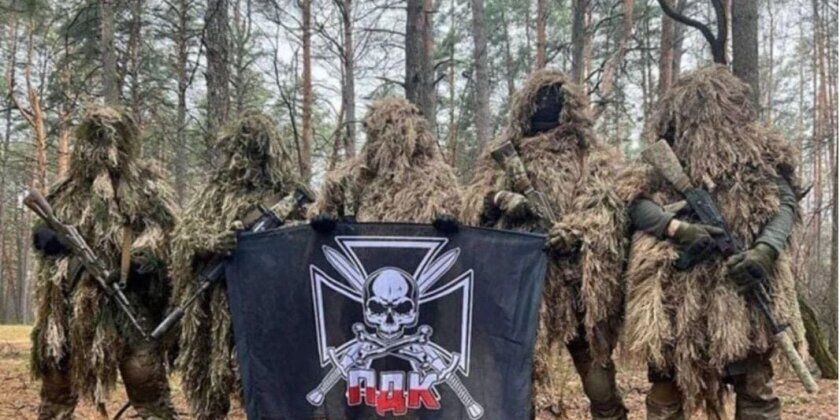
The United Kingdom has been far from isolated in making considerable manpower contributions to the Ukrainain war effort, although where British deployments have included significant numbers of uniformed active duty personnel, other European states have more widely deployed non-uniformed personnel to operate as contractors. Most recently, unconfirmed reports from French sources in mid-February indicated that non-uniformed U.S. Air Force and Royal Netherlands Air Force pilots deployed as contractors were flying F-16 fighters for the Ukrainian Air Force. While contractor organisations such as the Polish Volunteer Corps are confirmed to have have deployed thousands of personnel for frontline combat roles, others have played more specialist roles. Russian state sources have referred to European contractors killed in a major strike on their headquarters in January 2024 as “highly trained specialists who work on specific weapons systems too complex for the average Ukrainian conscripts.”
British officials’ expressions of willingness to deploy ground forces in Ukraine have been far from isolated, with similar sentiments having been widely expressed by European leaders. French President Emmanuel Macron has on multiple occasions stated that greater deployments of ground forces in Ukraine were not ruled out as part of a policy to “do everything necessary to prevent Russia from winning this war,” with the French government having begun considering options for such deployments as early as June 2023. Calls for such deployments to be considered have been raised by figures such as Estonian Prime Minister Kaja Kallas, Polish Foreign Minister Radoslaw Sikorski, Lithuanian Foreign Minister Gabrielius Landsbergis, and Finnish Foreign Minister Elina Valtonen, among others.
In November 2024 head of the NATO Military Committee Admiral Rob Bauer highlighted the key role played by Russia’s nuclear forces in deterring the Western world from initiating an open conflict with Moscow directly in the Ukrainian theatre, observing: “I am absolutely sure if the Russians did not have nuclear weapons, we would have been in Ukraine, kicking them out.” The extent of NATO members’ involvement on the ground is already highly significant, however, with Russian Ambassador to the United Kingdom Andrey Kelin having stated in early February that the degree of the United Kingdom’s involvement in the ongoing Russian-Ukrainian War has strengthened a consensus that it was an active participant in the conflict.
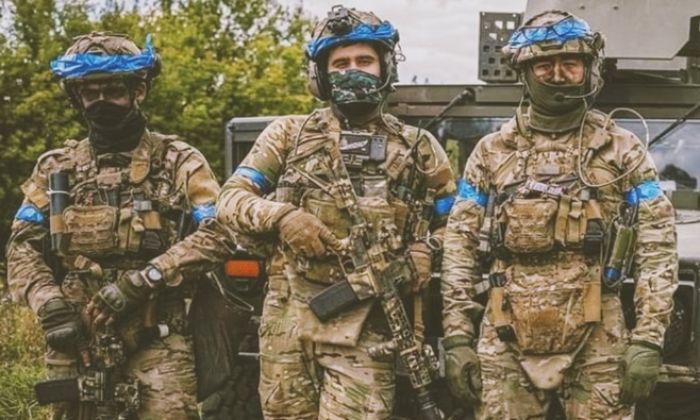
The ability of European states to launch an effective intervention in Ukraine remains in question due to their limited ground force capabilities, with one European diplomatic source having informed The Times that U.S. participation would be necessary because “they have capabilities that all of Europe lacks,” including the “ability to retaliate at scale if needed.” Retired U.S. Army lieutenant general and former National Security Advisor at the White House H. R. McMaster in February 7 2025 observed that European armies lacked the necessary capacity to sustain large scale ground operations, noting when taking the United Kingdom as an example: “Look at the British Army right now. I mean, it makes me want to cry, almost.” A combination of European military limitations, U.S. reservations regarding overcommitment, and effective Russian deterrence, are considered primary factors preventing further escalation of NATO intervention in the Ukrainian theatre.
