
British Forces Active on the Ground in Ukraine, London a Full Party in Conflict - Russia
Military Watch Magazine Editorial Staff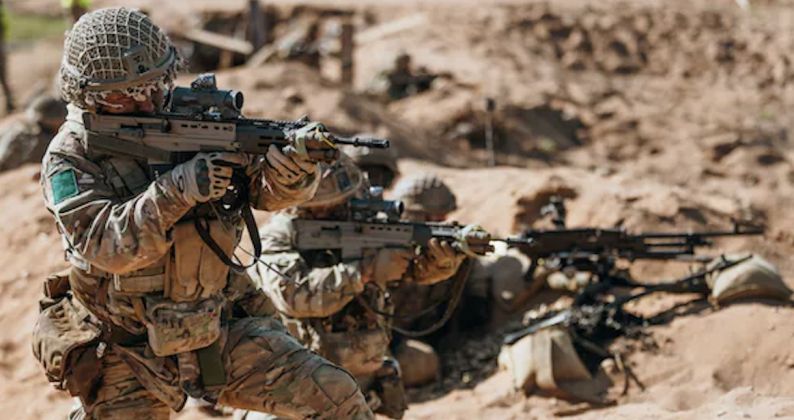
British Army Personnel
UK MoD
Russian Ambassador to the United Kingdom Andrey Kelin has stated that the degree of Britain’s involvement in the ongoing Russian-Ukrainian War has strengthened a consensus that it is an active participant in the conflict. “Britain provides Kiev with political direction, supports it financially and with materiel, shares intelligence, arms, trains, and fights alongside the Ukrainian armed forces and other militarised structures,” he stated, concluding that on this basis: “We have every right to consider London as a de facto party to the conflict.” He added that British involvement is deep and reflects a strategy of containing Russia, noting that British military planners are stationed at the embassy in Kiev, while British personnel help Ukrainian special services plan operations against Russia. The Interflex training program for Ukrainian personnel in the United Kingdom has meanwhile been extended through at least 2026, with over 62,000 Ukrainian service members have completed training the country.
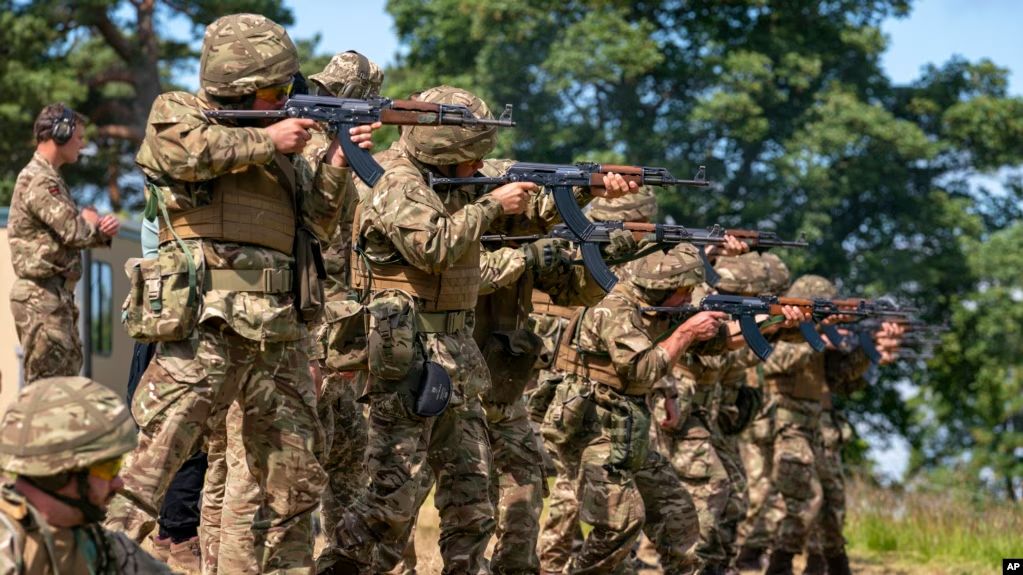
Commenting on the presence of active duty British forces in the Ukrainian theatre, the Russian ambassador noted that this had been acknowledged following the death of one serviceman, Lance Corporal George Hooley of the Parachute Regiment, in December 2025. Although the British Ministry of Defence stated that Hooley was killed while “observing Ukrainian forces test a new defensive capability,” Kelin commented that “there are many ways to present incidents in a relatively decent light,” indicating that he did not believe this explanation for the serviceman’s presence fully reflected his role on the ground. He added that British Armed Forces veterans have also widely deployed to serve in mercenary and volunteer units, and were likely “inspired by the media rhetoric and… the government’s message that Kiev needs to be supported in every way.”
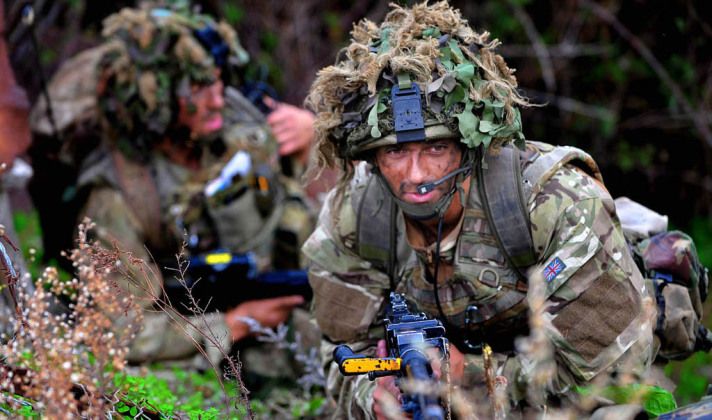
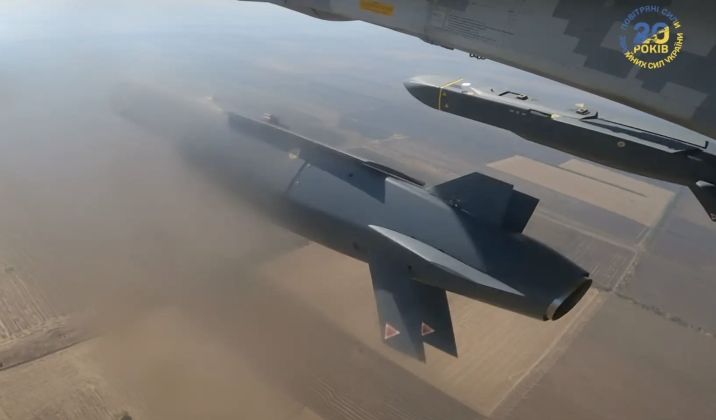
Preceding the death of Lance Corporal Hooley, there were multiple significant indications of a very active British military contribution to the ongoing war effort against Russia. In December 2022 British Deputy Chief of Defence Staff Royal Marines Lieutenant General Robert Magowan revealed that the Marines had been carrying out high risk operations alongside Ukrainian government forces from April that year. 300 personnel from the Royal Marines 45 Commando Group were revealed to be conducting “discreet operations,” with Magowan stressing that these were carried out “in a hugely sensitive environment and with a high level of political and military risk.” Subsequently in January 2024, German Chancellor Olaf Scholtz confirmed that British special forces on the ground in Ukraine were providing vital support to facilitating launches of Storm Shadow cruise missiles against Russian targets.
In May 2024 the head of the U.S. Special Operations Command General Bryan Fenton stated that the Pentagon had been learning about the ongoing war “mostly through the eyes of our UK special operations partners,” who he stated had been testing new approaches to modern warfare in the theatre. Polish journalist Zbigniew Parafianowicz revealed that he had been provided details by Polish officials on the operations of British forces “uniformed. With weapons” in the theatre, with these units reportedly having played important roles in tracking the positions of Russian artillery. Regarding efforts by Western militaries to provide deniability for their operations, a Polish officer informed Parafianowicz: “we worked out a formula for our presence in Ukraine … we were simply sent on paid leave. Politicians pretended not to see this.”
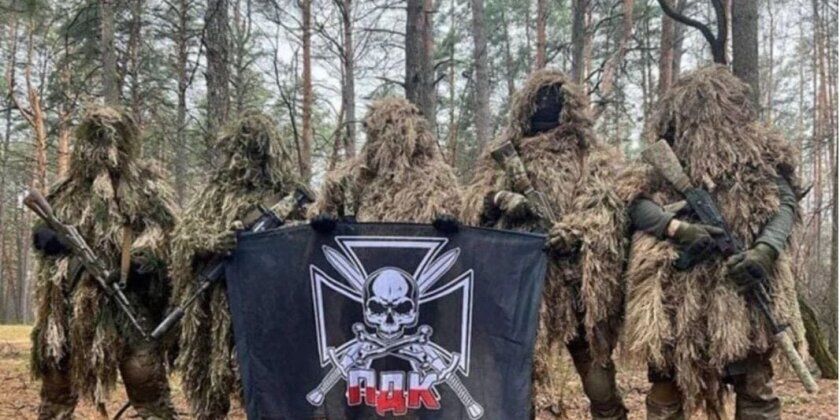
The United Kingdom is one of over a dozen NATO members reported to have deployed forces to support the ongoing war effort, with the United States, France and Poland having otherwise made the most significant contributions. British reconnaissance aircraft have also been among the most active among those of NATO members in providing intelligence on Russian forces. In December 2025 Russia’s Foreign Intelligence Service warned that the French government was exploring ways to directly involve itself in the ongoing war effort, citing a new government decree authorising the use of private military companies to assist foreign state actors engaged in armed conflict. The agency further strongly implied that some French forces are already in the theatre, noting that operating the French Mirage 2000 fighter aircraft recently donated to the Ukrainian Air Force requires expertise that Ukraine does not possess.
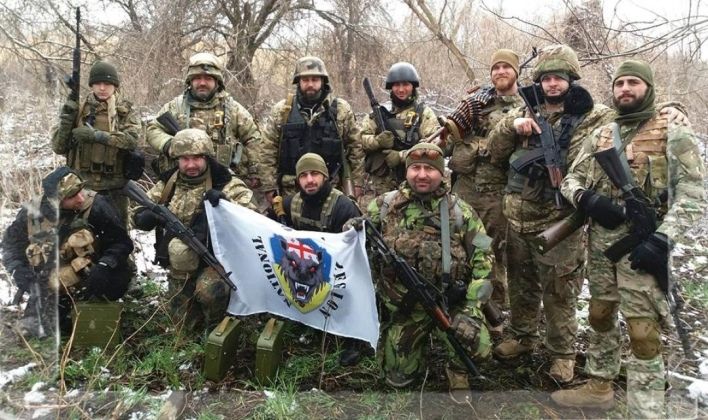
Western Bloc forces have consistently been prioritised for targeting in the Ukrainain theatre, with a notable incident being a missile strike on January 16, 2024, targeting the headquarters of predominantly French European contractors, causing at least 80 casualties 60 or more of which were killed. Russian state media reported that these personnel were “highly trained specialists who work on specific weapons systems too complex for the average Ukrainian conscripts.” This “put some of the most lethal and long-range weapons in the Ukrainian arsenal out of service until more specialists are found” to replace them. Multiple European states including the United Kingdom have called for an expansion of active personnel deployments on the ground in Ukraine, while the United States, although less openly calling for such escalation, has deployed considerable numbers of both contractors and active duty personnel to also support the war effort.
