
Rare Russian Su-57 Stealth Fighter Shot Down in Friendly Fire Incident Near Moscow - Reports
Military Watch Magazine Editorial Staff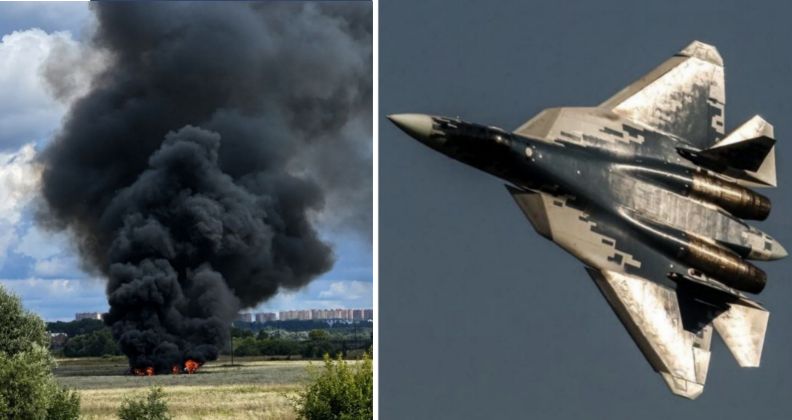
Su-57 Crash Site (left) and Su-57
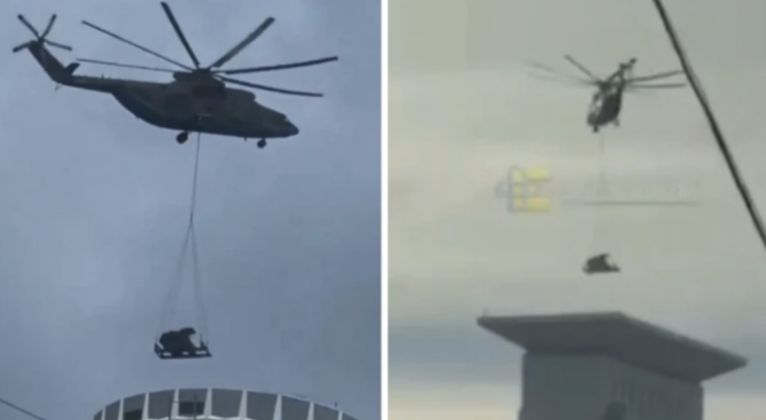
A Russian Aerospace Forces Su-57 fifth generation fighter has crashed during a training flight near Zvenigorod in the Moscow region, prompting an investigation by Russian authorities into the circumstances surrounding the loss. The pilot successfully ejected and survived the incident without reported injuries, while images circulating from the crash site show extensive wreckage scattered across a wooded area. Russian sources have reported that the fighter was mistakenly engaged by the BARS-Moscow Air Defence Unit, a volunteer territorial air defence formation established to protect the Russian capital from increasingly frequent long range Ukrainian drone attacks.
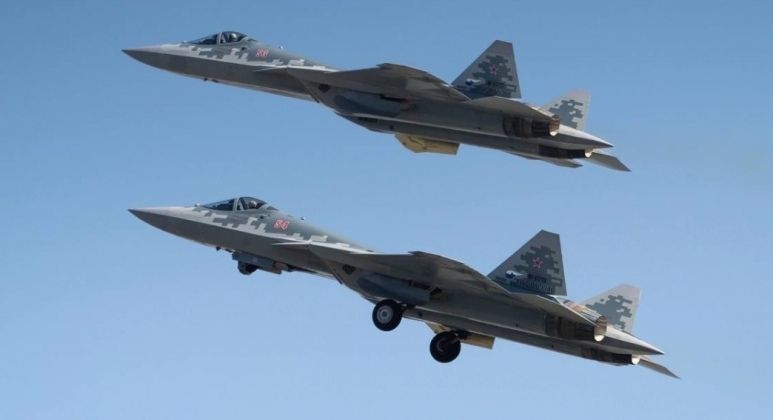
The latest incident represents the second reported targeting of an airborne fifth generation fighter, following a prior successful Iranian air defence operation targeting a U.S. Air Force F-35A in March, and is the first ever friendly fire incident that sees a stealth fighter destroyed. Following the crash, the opening of a criminal investigation into possible violations of flight regulations or failures in pre-flight preparation procedures was announced. Such investigations are standard following the loss of military aircraft, particularly those involving high value assets such as stealth fighters.
Air defences in major Russian cities have come under considerable strain from ballistic missile, cruise missile and drone attacks launched from Ukrainian territory, which is thought to have been a primary factor in the latest friendly fire incident. The incident underlines one of the growing challenges faced by militaries operating under persistent threats of attack, as the expansion of layered air defence networks designed to counter low-flying unmanned aircraft in particular increases the complexity of identifying friendly aircraft, particularly during periods of heightened alert. Similar concerns have emerged in multiple conflicts as militaries deploy larger numbers of mobile air defence systems and territorial defence units with varying levels of integration into national command-and-control networks. The reported shootdown of three U.S. Air Force F-15E fighters by Kuwaiti fighters in early March, as they were mistaken for Iranian fighters, was a notable example.
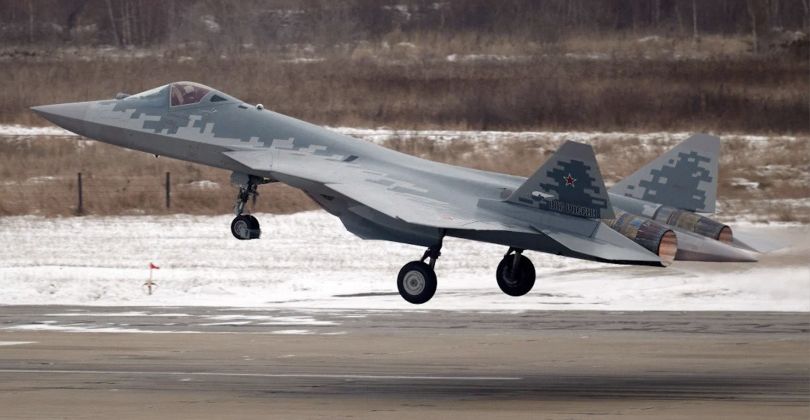
The Su-57 fleet has over the past four years grown to several times its pre-war size, with a significant expansion of production allowing the type to be delivered at higher rates than any other Russian fighter type despite its much greater cost and complexity. The fighters have been increasingly active in combat operations, with reports from Ukrainian sources in May 2024, and again in September that year, highlighting that Su-57 units had intensified their strikes on the country, with reports in August 2025 indicating that these operations had expanded to include whole formations of the aircraft. Nevertheless, with only 48-65 fighters estimated to have been built for the Russian Aerospace Forces, the loss of a single aircraft represents a significant blow to the fleet. The fleet is scheduled to reach 76 fighters by the end of 2026, equipping three fully regiments plus four additional fighters.
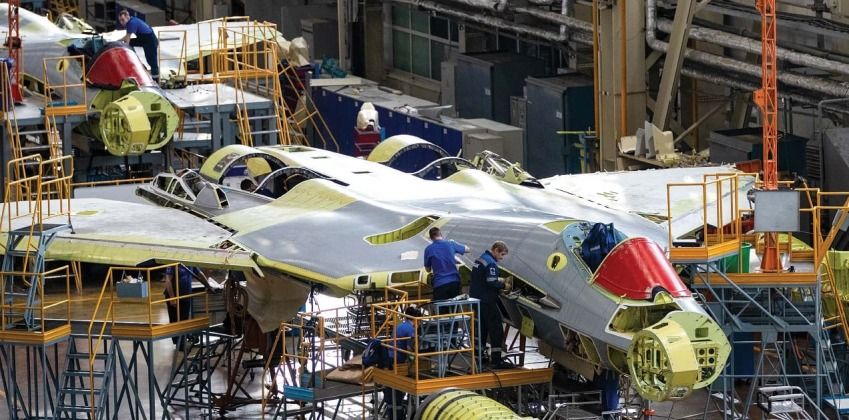
The scope of the Su-57’s operations in the Ukrainian theatre have remained significant, and included air defence suppression, air to air combat, and operations in heavily defended enemy airspace, as well as a range of precision strike missions using missiles carried both internally and externally. With Russian and Ukrainian fighters have been involved in multiple friendly fire incidents, including in Ukraine’s case incidents far behind the frontlines, expanded Ukrainian strikes deeper inside Russian territory are expected to stimulate a greater focus on coordinating operations between aircraft and ground-based systems. While the Su-57 has been put through far more high intensity combat testing than any other fighter of its generation, the program remains close to a decade behind schedule, with the aircraft entering service in meaningful numbers at a time when China is close to bringing its first sixth generation fighters into service. Although the U.S. lags close to a decade behind China in development, it remains well ahead of Russia, with the Russian Aerospace Forces expected to continue to rely on the Su-57 as its most advanced fighter type well into the sixth generation era.
