Urgently Needed U.S. F-47 Sixth Generation Fighter to be Delayed to 2040s: Projections Increasingly Pessimistic
Military Watch Magazine Editorial Staff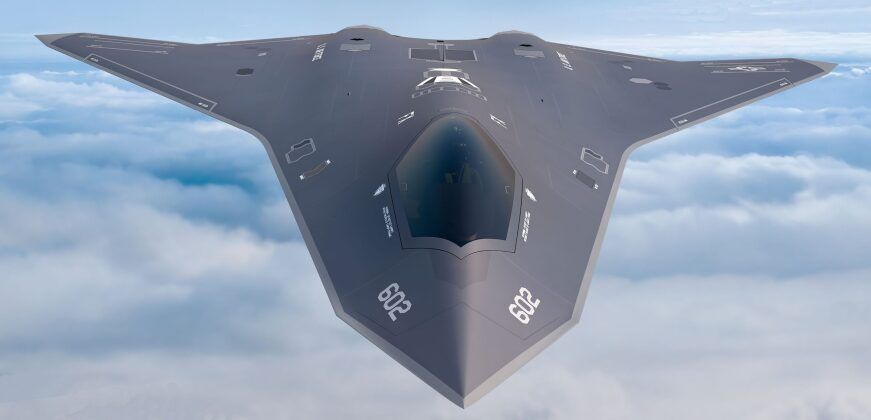
U.S. Sixth Generation Fighter Concept Art
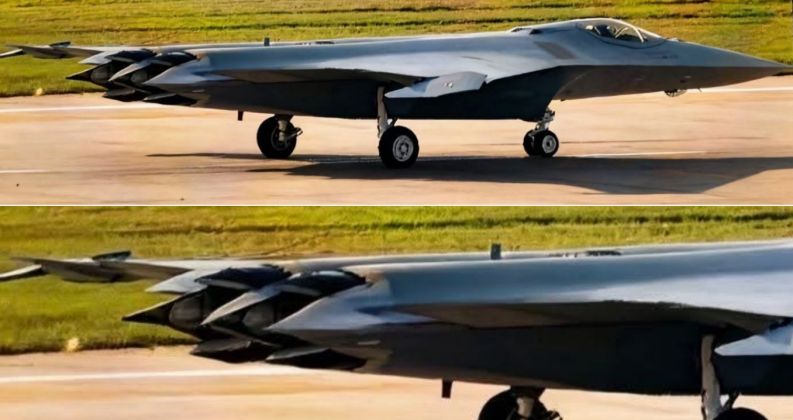
Following growing concerns in the Western world that the U.S. Air Force F-47 sixth generation fighter could enter service close to a decade or more behind rival Chinese programs, the first two of which brought fighters to flight prototype stages in December 2024, the possibility of the American aircraft entering service as late as the 2040s has increasingly been raised by analysts. These assessments have been based on the record of prior post-Cold War U.S. fighter programs, which have consistently taken more than twice as long as rival Chinese programs to complete, and been years behind schedule in entering service, and years further behind in maturing to obtain the full capabilities required. While the United States had a lead over China of over 30 years when beginning to develop its first fifth generation fighters, major decline in the country’s defence sector after the end of the Cold War, serious issues with the F-22 and F-35 programs, and rapid progress made by China to emerge as a world leader across a broad range of industry and R&D areas, resulted in the gap being largely closed by the early 2020s.
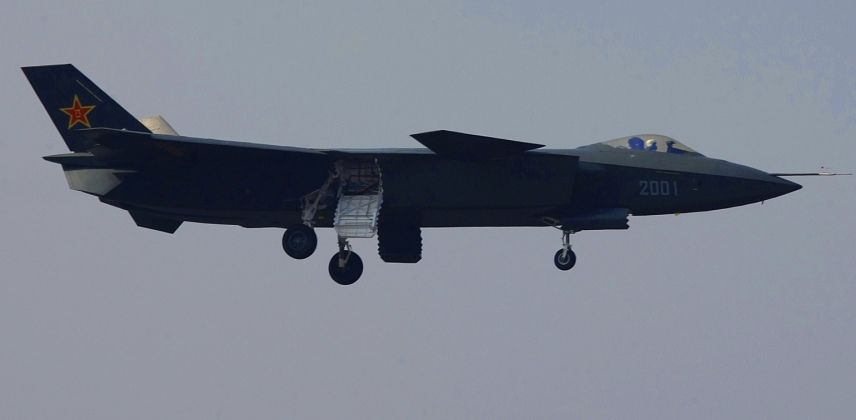
Although the possibility of the F-47 falling over half a decade behind has been raised repeatedly, these estimates have been conservative when considering the U.S. defence sector’s record for extreme delays in the post-Cold War era. China’s ability to bring its first fifth generation fighter, the J-20, from its first demonstrator flight to service entry in just six years drew a highly unfavourable precedent when compared to the F-35 and F-22, which both took 15 years. This provided an indication of the discrepancies between the two countries’ defence sectors, indicating that China could begin fielding sixth generation fighters close to a decade before the United States. In September 2022, head of the U.S. Air Combat Command General Mark Kelly warned that China was well positioned to lead the world in bringing sixth generation fighters into service, with other officials having widely made similar warnings.
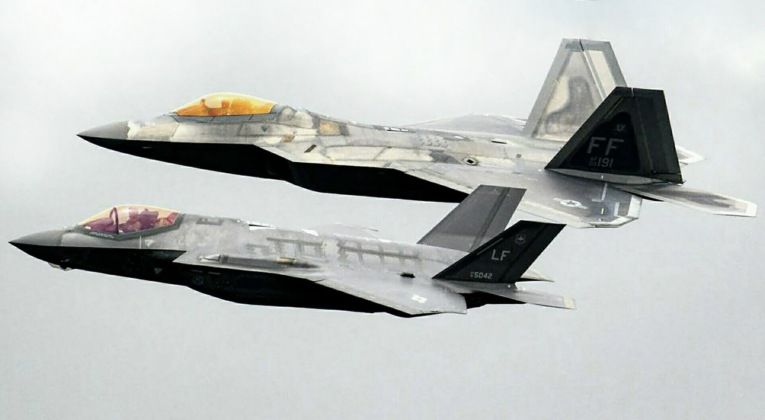
Providing insight into the emerging consensus on the issue of the F-47’s development timeline, Veteran U.S. Air Force fighter pilot Chris Lemoine observed: “Did anybody ever believe that it wasn’t going to be the 2030s? I would be surprised if it IS the 2030s.” “I love the idea, its very ambitious that we could have had it in the 2030s, but I don’t think anybody whose been around any length of time thinks that that’s possible, because there’s so much red tape that they have to get through, even on their best days,” he added. His associate, Navy fighter pilot Dave Gonzalez, similarly observed: “If in a year from now its like: ‘could slide to 2040s,’ I would think: ‘There were are, there’s some honesty, finally.”
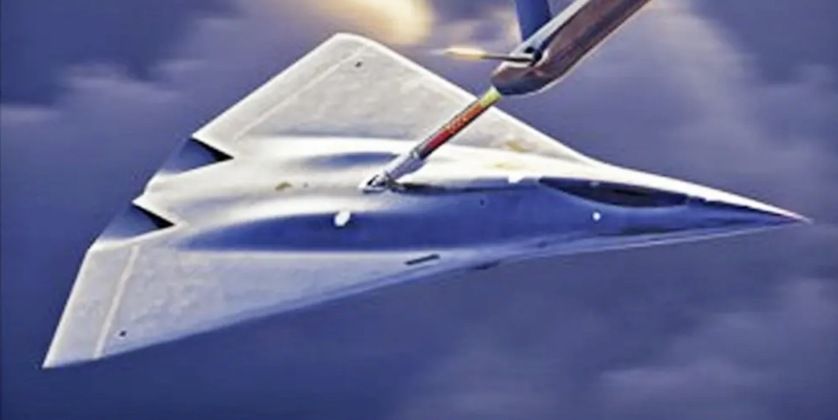
Commenting on the U.S. Navy’s F/A-XX program, which until 2025 had appeared poised to receive much greater funding and enter service much earlier than the F-47, only to be defunded and deprioritised at the expense of the Air Force program, Gonzalez observed:
“The F/A-XX, that thing hasn’t been announced yet. That thing is like years and years [away]. We’ve talked about it before, the procurement process for weapons, especially fighter airplanes, something needs to change…. You know China is just pumping out new designs. I get it maybe we’re doing the same but it’s much more secret, but I think it’s crazy. I mean the F-35, that airplane is not fully mature, and there just seems to be this huge push to go: ‘we need sixth gen., sixth gen., sixth gen., when I would argue the fifth gen. stuff is not, we haven’t reached the limits of those capabilities.”
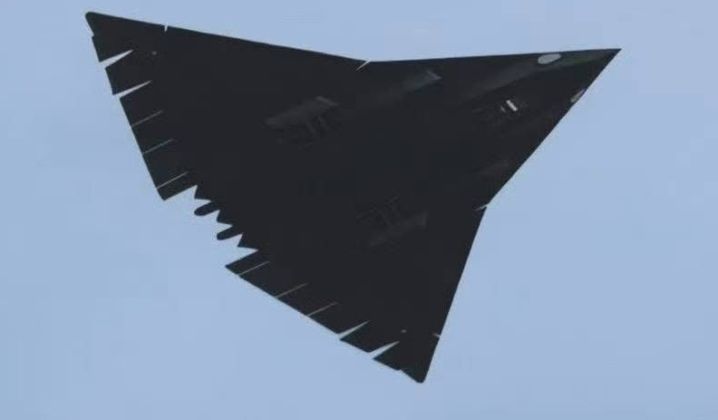
While the United States remains in a league of its own with China in fifth and sixth generation fighter development, with European and Russian sixth generation programs being constrained by far smaller defence budgets, much poorer technological standings, and in the former case major defence sector efficiency issues, the possibility of the U.S. falling far behind China while remaining well ahead of other actors remains significant. U.S. Air Force Chief of Staff General David Allvin was among those to raise this possibility, observing: “The adversary is not taking a knee. They’re not stopping and saying, ‘well, maybe the U.S. slows down, we’ll slow down too.’ Maybe we can take a knee, and that’s not what they’re doing.”