
Russia’s ’Big Military State Secret’ Regarding New Oreshnik Hypersonic Missile Strikes Revealed By Putin
Military Watch Magazine Editorial Staff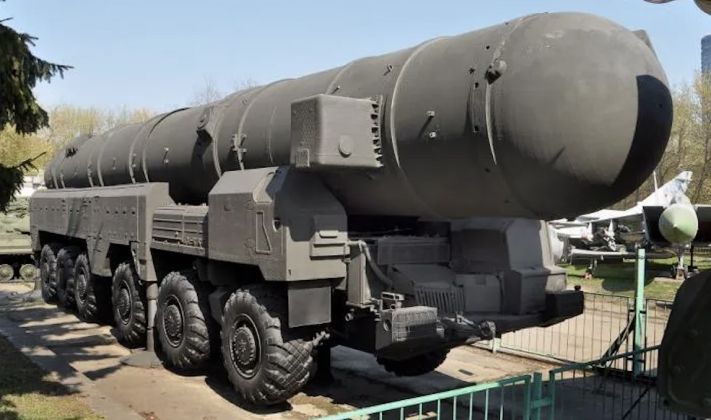
Soviet RSD-10 Intermediate Range Ballistic Missile
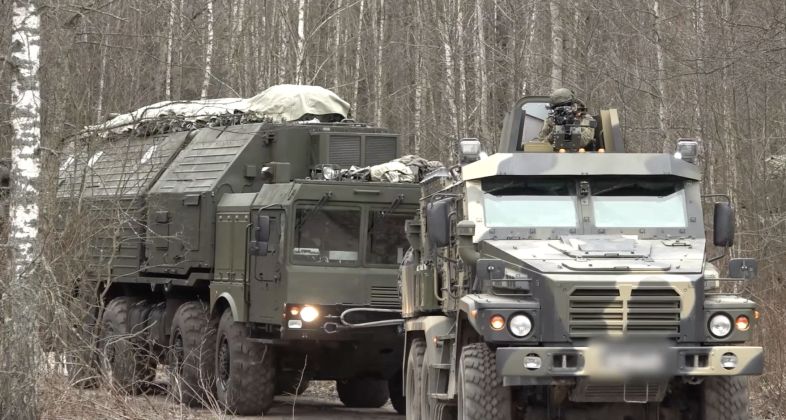
Responding to questions from the heads of international news agencies at the St. Petersburg International Economic Forum on June 4, Russian President Vladimir Putin provided insight into the use of the Oreshnik intermediate range hypersonic ballistic missile system in the Ukrainian theatre. Since its first combat use and unveiling in November 2024, the Oreshnik’s testing and subsequent service entry in December 2025 have become one of the highest profile developments in Russia’s military modernisation efforts, with the missile’s integration of multiple hypersonic glide vehicles making it a totally unique kind of asset. The system’s 5,000 kilometre range allows for strikes to be launched anywhere in the European theatre from Russian territory, with its flight profile making it extremely challenging to intercept.
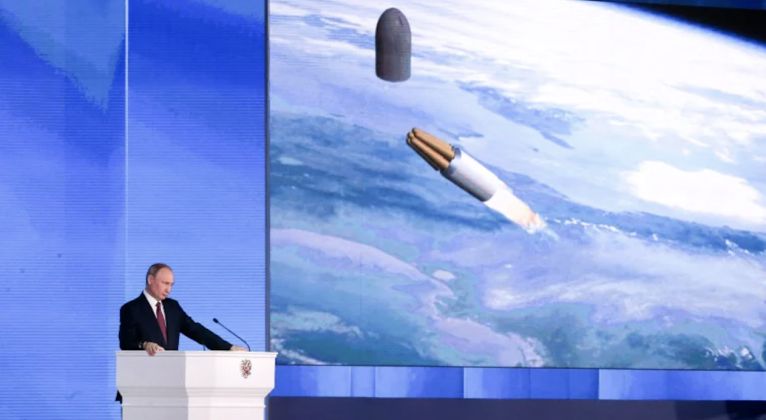
Commenting on the Oreshnik’s three reported combat uses, President Putin observed that the missile had not been used “in the full sense” in strikes on Ukrainian territory. “We have not had a single combat use of the Oreshnik in the full sense of the word on Ukrainian territory,” he observed, noting that Russia has “tested similar systems at training grounds, but not the Oreshnik.” “Last time, to be completely honest – I’ll reveal to you a big military state secret – we just hit where it was convenient for us to see the results,” Putin added, noting that Russian drones later flew in to observe dispersal and impact effects. “It’s important for us to make decisions in the future on the full-scale use of Oreshnik against designated targets, including in urban areas,” he elaborated.
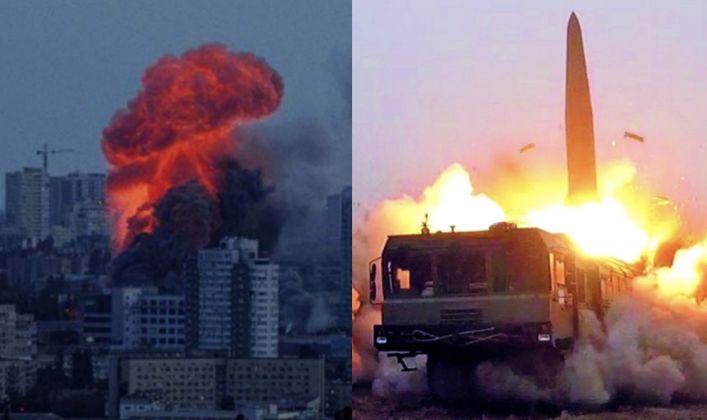
Targets reported to have been struck using the Oreshnik include an unspecified defence industry facility in Dnepr struck November 2024, a warplane plant in Lviv struck on January 8, 2026, and an unspecified target that critics called a “shed” in Belaya Tserkov near the capital Kiev four months later in May. The latest strike was launched simultaneously with multiple attacks using Iskander-M ballistic missile systems, with footage from the Ukrainian capital showing multiple large resulting explosions. Following its first reported use, Russian Ambassador to the United Kingdom Andrey Kelin claimed in late 2024 this had a significant impact on British policy, and had forced London to take a more cautious approach towards supporting the escalation of Ukrainian deep strikes against Russian targets. The missile’s subsequent use in January was reported by the head of Russia’s Foreign Intelligence Service Sergey Naryshkin as having had a “staggering” effect on defence planners in the Western world, as they perceived it “as a warning against their military’s direct involvement… in the hostilities.”
President Putin’s statement implies that the Oreshnik could be used on a greater scale and with much greater effect in future, likely in the Ukrainian theatre. Nevertheless, the cost effectiveness of using the system against Ukrainian targets remains in question, with shorter ranged systems such as the Iskander-M capable of achieving comparable results at far lower costs. While prior uses in the Ukrainian theatre have been useful as shows of force and for testing purposes, the missiles are likely to be conserved for potential hostilities with NATO. Multiple Russian government sources have from April issued explicit warnings regarding European production and supplies of unmanned attack aircraft to Ukraine, in several cases indicating that the facilities involved could become targets, despite these being on NATO territory. With Russia lacking a sizeable fleet of penetration stealth fighters as the U.S. and other NATO members do, the Oreshnik is expected to be heavily relied on to provide a deep strike capability against strategic targets including major defence production facilities.
