
Putin Highlights Belarus’ Effective Coordination of Nuclear War Assets Demonstrated in Drills to Deter NATO
Military Watch Magazine Editorial Staff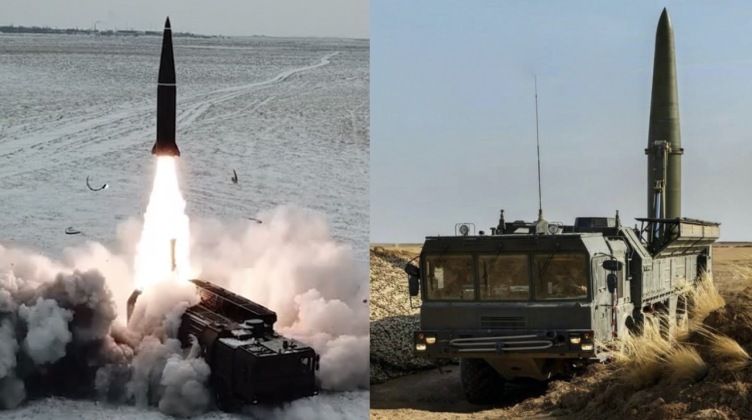
Ballistic Missile Launchers From Iskander-M System
Russian President Vladimir Putin has commented on Belarus’ effective handling of nuclear weapons since the two countries entered a nuclear sharing agreement in 2023, observing that Belarusian personnel have shown considerable skill in handling the new high-impact armaments. “I would especially like to highlight the well-coordinated work of our Belarusian colleagues, friends, and allies as they have just used bomber aircraft capable of carrying special warheads and medium-range weapons – like Iskanders that have just been used – skilfully and in a well-coordinated way,” the president observed. “This is highly important when using these kinds of weapons, because every minute and every second matters,” he added.
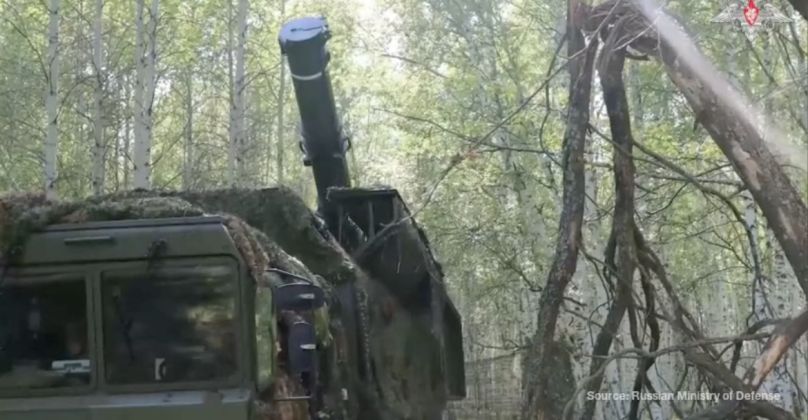
President Putin’s comments were made while observing joint nuclear war drills being held by Russia and Belarus, during which Russian forces have rehearsed delivering nuclear warheads stored on Belarusian soil to missile units from both countries. These include both Russian Iskander-K cruise missile systems, and Belarusian Iskander-M ballistic missile systems that were procured from Russia beginning earlier in the decade. Despite renouncing its nuclear weapons in the mid-1990s, Belarus retained considerable infrastructure and knowhow to utilise nuclear arsenals, which was highlighted multiple times by the country’s leadership when proposing possible deployments of Russian nuclear weapons on the country’s territory.
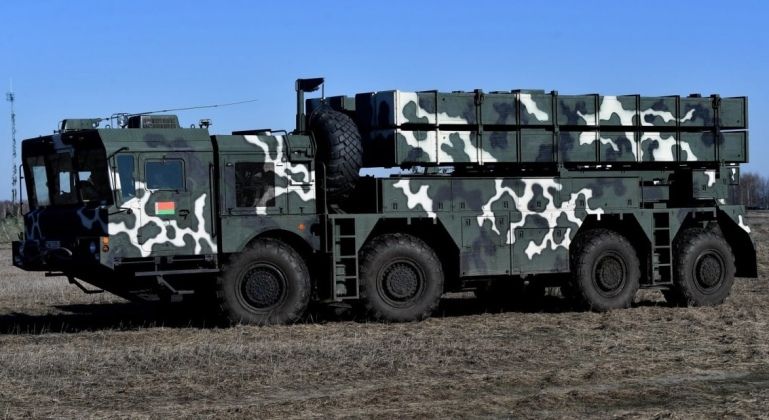
In mid-February Belarusian President Alexander Lukashenko warned that his country had no option but to further strengthen its defence capabilities, as NATO had over the past three years been establishing new units and boosting its forces near Belarusian territory. “Whether we like it or not… we will have to strengthen our defence capabilities,” he noted, adding NATO members “are not spending money on tanks and munitions for no reason,” indicating that this buildup was seen to have aggressive intent. In September 2025 the U.S. Army deployed AH-64 Apache attack helicopters for deep strike live-fire exercises in Lithuania near the border with Belarus, while four months later U.S. and Lithuanian Army artillery units conducted advanced interoperability training centred on employment of HIMARS rocket artillery and ballistic missile systems near Belarusian territory, which have been among multiple major developments increasing pressure on Belarusian defences.
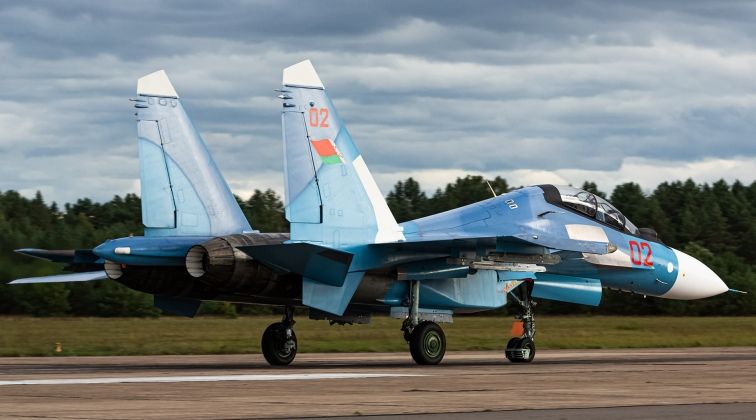
In parallel to significant investments in expanding its nuclear capabilities, Belarus has also initiated a rapid conventional forces modernisation program with large scale procurements predominantly from Russia. The Air Force has significantly enhanced its operational capabilities primarily by procuring S-400 long range systems from Russia from 2022, Mi-35 helicopter gunships, and the longest ranged fighter type in Europe the Su-30SM2. Exercises earlier in March tested the ability of older S-300 air defence units to rapidly respond to new combat situations. Nevertheless, Western officials have consistently pointed to the fact that Russia’s nuclear forces have been the primary factor deterring Western Bloc states from taking direct military action against it, which has led both countries to highly value their nuclear deterrents.
