
Belarusian S-300 Air Defence Systems Assume Combat Duty: New S-400s Bolster Targeting Capabilities
Military Watch Magazine Editorial Staff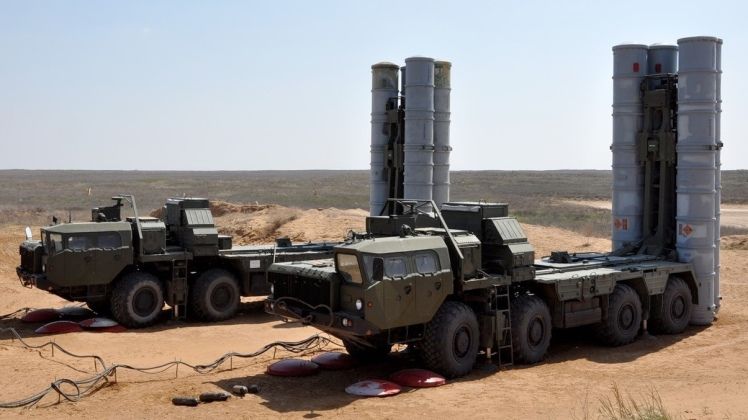
Surface-to-Air Missile Launchers From S-300 Systems
The S-300 surface-to-air missile systems have assumed combat duty in Belarus, according to local media outlets, with the systems operating under the 15th Anti-Aircraft Missile Brigade. Speaking to local media, the brigade’s commander stated: “as part of the snap inspection of the Armed Forces, the 15th Anti-Aircraft Missile Brigade was issued a combat order. In accordance with it, units from the immediate response forces were brought to the highest degree of combat readiness. We received materiel supplies, loaded them, and departed for the designated area.” Elaborating on the systems’ activation, he observed: “Upon arrival, we immediately occupied a position and checked the weapons, military and special equipment, which has now assumed combat duty to defend the country's airspace. We are working in coordination with the aviation and the radio-technical troops.”
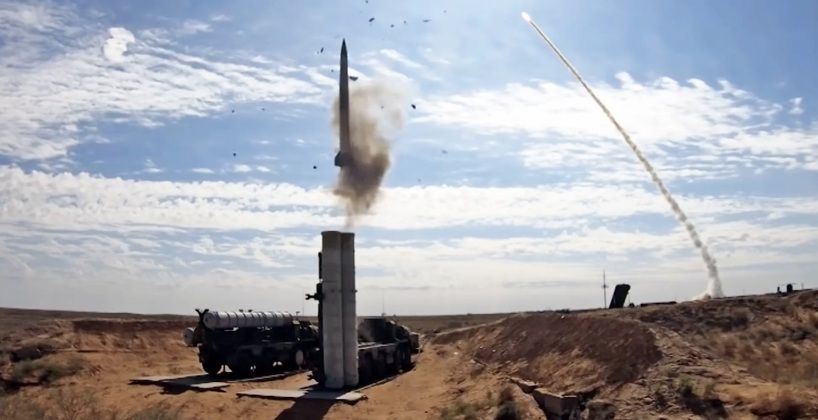
The status of the S-300 system in Belarusian service has for years been uncertain, with the procurement of the new and significantly more capable S-400 system from Russia having raised the possibly that S-300s were retired. Commenting on the S-300’s capabilities, the 15th Anti-Aircraft Missile Brigade’s commander observed: “This system has proven itself to be very reliable. The equipment is mobile, and its range is sufficient to protect the state border in the airspace.” He added that S-300s will be used in a series of training exercises including for the destruction of aerial targets. Belarus inherited the third largest numbers of S-300 systems after the disintegration of the Soviet Union, with only the Russian and Ukrainian arsenals having been larger. Despite their age, Soviet-built S-300PS/PT systems were considered far ahead of their time technologically, and have continued to pose a primary threat to Russian aircraft in the Ukrainian theatre.
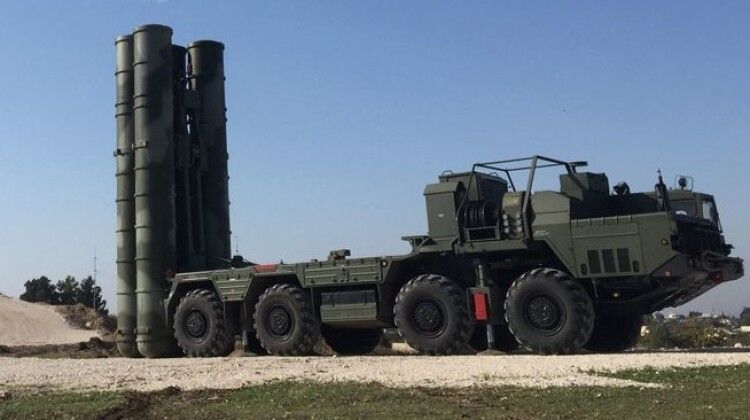
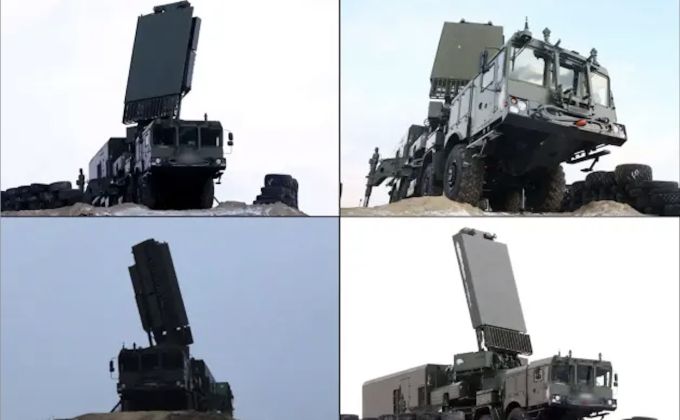
The Belarusian Air Force received its first battalion's worth of S-400 systems in 2022, and its second in May 2023, with these significantly increasing the combat potentials of S-300 systems by providing far greater situational awareness to broader ground-based networks. The new systems integrate a wide range of complementary radar systems, including the 30K6E panoramic radar detection system with a 600 kilometre, range and the ability to track up to 300 targets, the 96N6E radar with a 400km range capable of tracking up to 96 targets, and optional additional sensors such as the 96L6 with a 300km detection range and the Protivnik-GE with a 400km range and a specialisation in detecting stealth targets. The delivery of Su-30SM2 fighters, which carry the largest and most powerful radars of any fighter types in Europe, can also serve as elevated sensors. Networking with S-400s and Su-30s can provide invaluable targeting data to S-300 systems, which lack similarly advanced sensors, while reducing vulnerability to jamming.
Following a rise in tensions between Belarus and states across NATO in late 2020, the country emerged as a leading client for Russian air defence equipment, and while procuring multiple battalions of S-400 systems, it also benefitted deployments of the Russian Aerospace Forces own S-400 systems alongside Su-35S air superiority fighters from early 2022. Belarusian S-400 systems have on multiple occasions been deployed for joint exercises with Russian forces, including in May 2022, and more recently in September 2025 as part of the Zapad 2025 joint strategic drills. A major agreement on jointly sustaining the systems was signed in late December. The S-400 was first combat tested in February 2022, and has been assessed by sources in both Russia and the West to have proven highly effective in the Ukrainain theatre. S-400 systems more recently played a central role in the Indian air campaign against Pakistan in May, and was widely credited by figures in the Indian political and military leadership with having neutralised multiple high value assets.
