
Belarus Signs Major Air Defence Sustainment Deal with Russia After S-400 Missile System Procurements
Military Watch Magazine Editorial Staff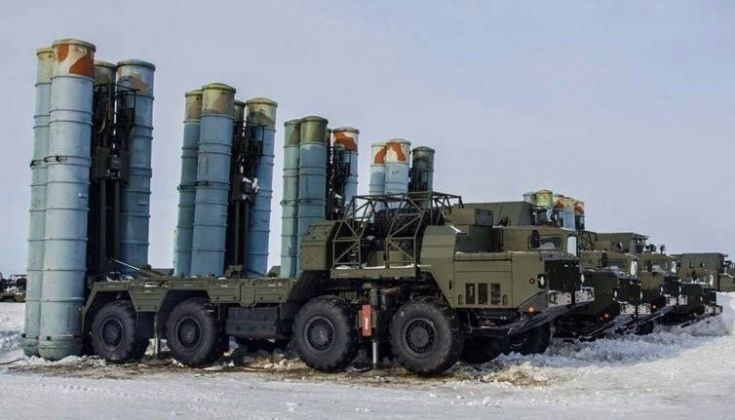
Surface-to-Air Missile Launchers From S-400 Air Defence System
The Belarusian Defence Ministry has signed a new contract with Russia’s leading producer of air defence equipment Almaz-Antey for the maintenance and repair of Belarusian Armed Forces air defence equipment at a new centre in the country. The ministry reported regarding the agreement: "The air defence repair service centre, established this year in the Republic of Belarus, will begin servicing and repairing Minsk-owned air defence equipment in the coming months in cooperation with Russian companies. The corresponding document has been recently signed by authorised representatives of the Russian Almaz-Antey Air Defence Concern JSC and the Belarusian Ministry of Defence.” This reflects part of a broader trend towards the integration of the two post-Soviet states’ defence sectors, as Russia has over the past five years made significant efforts to strengthen the defences of its neighbour and key strategic partner.
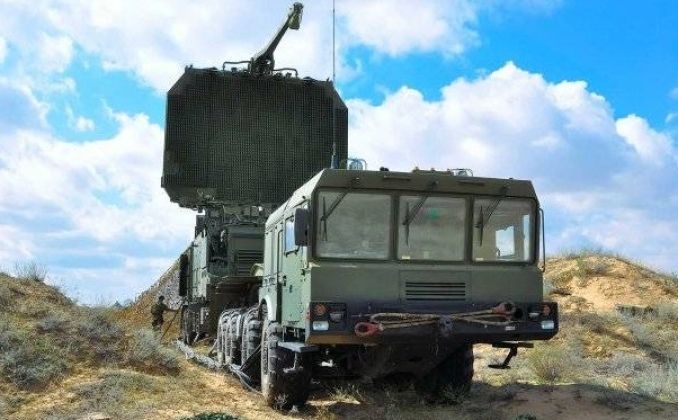
Following a rise in tensions between Belarus and states across NATO in late 2020, the country emerged as a leading client for Russian air defence equipment, and procured multiple battalions of S-400 long range air defence systems. These have been supplemented by deployments of the Russian Aerospace Forces own S-400 systems in the country, alongside Su-35S air superiority fighters and other high value aerial warfare systems. The Belarusian Air Force reportedly received its first battalion’s worth of S-400 systems in 2022, and its second in May 2023. Head of the Belarusian Air Force and Air Defence Troops Major General Andrey Lukyanovich commented at the time that personnel operating the battalion had undergone training and honed their skills at the Kapustin Yar firing range in Russia, and were prepared for combat missions as required. The Air Force had previously relied on seven battalions’ worth of Soviet-built S-300PS systems medium range systems to form the core of its air defence network.
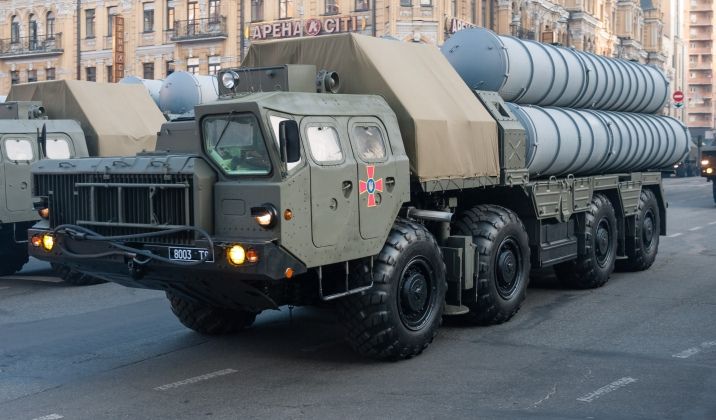
Belarusian S-400 systems have been deployed for joint exercises with Russian forces on multiple occasions, including in May 2022, and more recently in September 2025 as part of the Zapad 2025 joint strategic drills. The asset’s capabilities against stealth aircraft are particularly valued as NATO members continue to expand deployments of F-35 fighters to Eastern Europe, with Poland set to field F-35s by the end of the decade and looking to acquire a nuclear strike capability for these assets as part of a new nuclear sharing agreement with the United States. The S-400 was first combat tested in February 2022, and has been assessed by sources in both Russia and the West to have proven highly effective in the Ukrainain theatre. The system saw its first combat in the service of an export client when it played a central role in the Indian air campaign against Pakistan in May, and was widely credited by figures in the Indian political and military leadership with having played a central role in neutralising multiple high value assets.
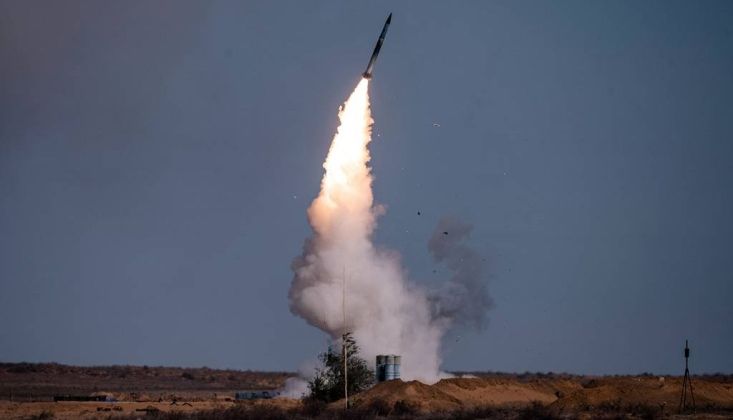
Since entering service in 2007, the S-400 has continued to be incrementally modernised, with a major milestone in its enhancement being the integration of the 40N6 long range surface-to-air missile around 2018. The missile can engage targets up to 400 kilometres away, striking targets over the earth’s curvature by using targeting data either from forward deployed ground based radars, or from airborne radars, such as those carried by A-50U airborne warning and control systems. The missile’s two part trajectory first sees it ascend into space to altitudes of close to 30,000 meters, before descending using this targeting data to strike aircraft at altitudes between 30,000 metres and 5 meters off the ground. The missile has been successfully combat tested against both Ukrainian and Pakistani targets, and allows the Belarusian Air Force to strike targets deep into NATO territory, including across the airspace of the Baltic States, and deep inside Polish territory.
