
Phantom Strike: Iran’s Old F-4E Fighters Now Have Modern Electro-Optic-Guided Smart Bombs
Military Watch Magazine Editorial Staff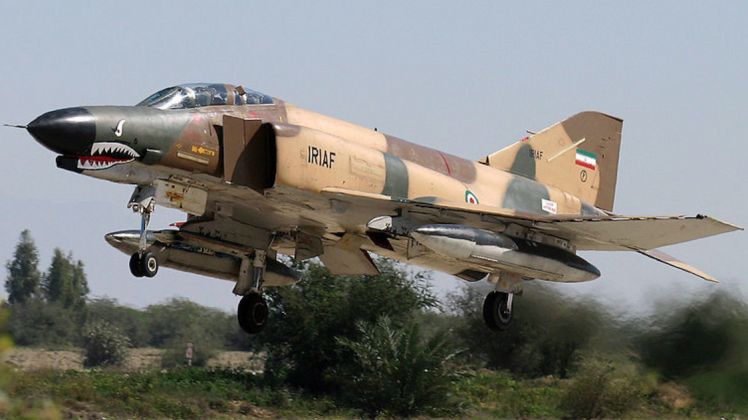
Iranian Air Force F-4 Fighter
During its annual two-day ‘Defenders of the Sky’ drills, which began on November 2nd, the Iranian Air Force demonstrated the new capabilities of its F-4 Phantom fighter jets due two their integration of new indigenous weaponry. Iran is the world’s largest operator of the F-4, with RF-4, F-4D and F-4E variants in service between them amounting to over 70 jets, which were acquired in the 1970s when Iran was still a close defence partner of the United States under the rule of the Pahlavi Dynasty. The F-4 is a third generation Vietnam War era jet, and was recently phased out of the Egyptian Air Force with the air arms of Japan, South Korea, Greece and Turkey expected to follow suit over the next five years. Iran's inability to purchase more modern fighter aircraft for the last 30 years has led it to invest more heavily than other F-4 operators in modernisation - ranging from new indigenous cameras for RF-4 reconnaissance jets to new electronic warfare systems for the wider fleet. Weaponry, however, appears to have been the primary focus of the modernisation drive.
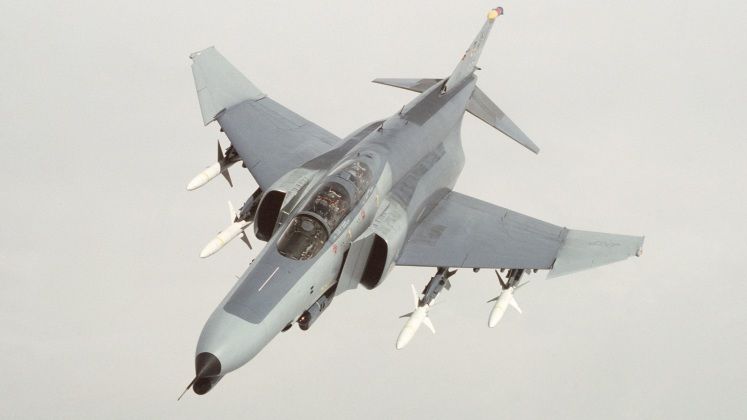
The latest Defenders of the Sky drills showed Iranian F-4 jets deploy new Qassed 900kg electro-optic-guided smart bombs. Such weapons are a potential force multiplier for F-4 units allowing them to strike targets with much greater precision - a potentially serious threat to Iranian adversaries given the fighter's relatively long range and very high speed and operational altitude. With a UN an arms embargo on Iran having expired in October without renewal, Iran is expected to offer more of its weapons for export, with its close defence partner Syria being a leading potential client for the Qassed bomb. The Syrian Air Force notably also relies heavily on third generation fighter jets to form the bulk of its fighter fleet - namely MiG-23 and MiG-21BiS jets - and while these have seen their performance impeded by the inaccuracy of their precision guided weapons the potential for integration of the Qassed could seriously bolster their performances. It was previously expected that Iran would move to quickly retire its F-4s after the expiry of the arms embargo, likely for replacement with Russian MiG-35 or Chinese J-10C ‘4++ generation’ fighters. Signs of ongoing modernisation efforts, however, indicate that much of the Phantom fleet could remain in service for some time, possibly into the 2030s, either alongside new foreign aircraft or in their stead to reduce expenditures.
