
40 Years of Islamic Republic; How Iran's Foreign Policy Transformation Reshaped the Middle East
Military Watch Magazine Editorial Staff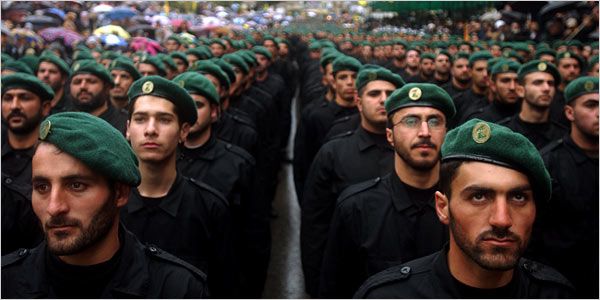
Hezbollah Militiamen on Parade in South Lebanon - 2002
The overthrow of Iran's Pahlavi dynasty in 1979 and the establishment of an Islamic Republic in its place has had considerable implications not only for Iranians, but for the peoples of the wider Middle East, over the past 40 years. Not only did the Western Bloc lose its primary regional partner, an emerging nuclear power under Shah Mohammad Reza Pahlavi which fielded what was then undisputedly the most powerful military in the Middle East and provided the United States with extensive military facilities on the Soviet border, but it also gained a major adversary which would come to oppose its regional designs. The Iranian revolution occurred shortly after the collapse of Arab nationalism - with Egypt's defection to the Western Bloc bringing an end to the unity of Arab nationalist states leaving Syria and South Yemen almost alone as Soviet allies in the region. Iran's adoption of a foreign policy aimed and countering both Israeli Zionism and what it perceived to be Western imperialism would lead to its emergence as the primary force in the region opposing the West and its allies. Iran would gradually built a new alliance around itself, forming ties with remnants of the Arab nationalist bloc from Ba'athist Syria to leftist elements in former Communist South Yemen, which would over 40 years come to dominate much of the region.
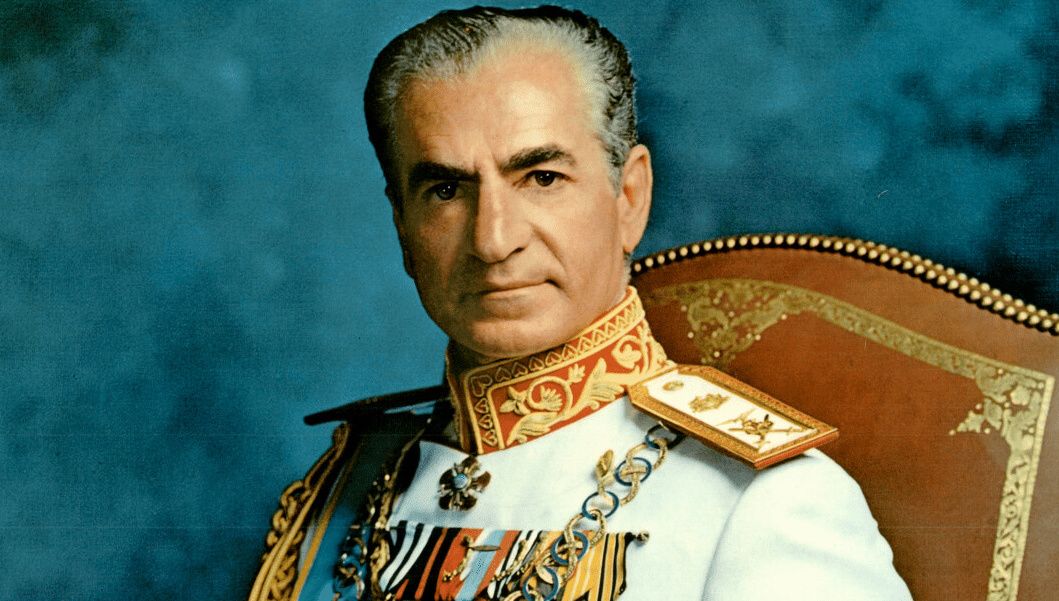
Iranian Shah Mohammad Reza Pahlavi
The impacts of this new foreign policy would first truly materialise following the outbreak of the Lebanon War in 1982, when Lebanon's military proved to be highly corrupt and incapable of mounting even a token defence. This allowed the armed forces of neighbouring Israel to quickly occupy the south of the country. The collapse of the Arab nationalist bloc meant that no Arab states other than Soviet backed Syria were willing to mount a response. With Libya occupied in its own war with neighbouring Chad, and the Arab Gulf States and Egypt all firmly aligned with the West, there was set to be no major response to the deployment of Israeli troops to the country.
Iran under the Pahlavi dynasty had been hostile to the Arab nationalist states, and though the Islamic Republic did not affiliate itself with this movement it was willing to cooperate nationalist Arab powers to face common enemies. This manifested itself in support for both Lebanese insurgents fighting against Israel and in coordination with Syria's secular nationalist government when it intervened in Lebanon against Israeli forces. Lebanese fighters were trained and armed by Iran and conducted an effective insurgency against the Israeli military - and Israel's former ally for the first time proved to be a major thorn in the side of its geopolitical aspirations. American and French forces deployed to Lebanon would also be targeted highly successfully - forcing their withdrawal. The Lebanese insurgents backed by Iran would in 1985 go on to found the Hezbollah militia, the operations of which made Israel's military presence in Southern Lebanon extremely costly and was one of the main factors which forced the country to eventually withdraw its forces. Hezbollah's formation and military successes would have been highly unlikely without Iranian support, and Tehran reportedly paid for the extensive military assistance the militia would receive from North Korea - where much of Hezbollah's leadership were also trained in guerrilla warfare.
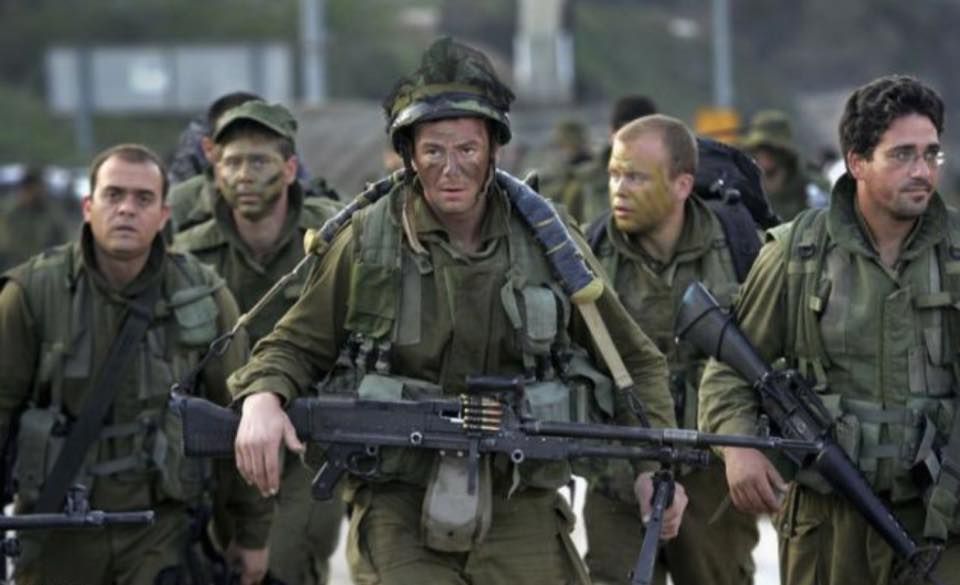
Israeli Soldiers in Southern Lebanon
Following Israel's military withdrawal Hezbollah went on to establish itself as a political organisation in 1992 and participated in national elections. It has since been declared a terrorist organisation by both Israel and Western states, though it has formed close military relations and maintains extensive cooperation with both Russia and North Korea. Since Israeli forces withdrew from south Lebanon Hezbollah has used extensive social welfare programs to win support from the local population while at the same time increasing its military capabilities in anticipation of future conflicts with Israel - growing to become a highly formidable fighting force. Hezbollah would go on to wage a war against the Israeli military in 2006 which led to Israel suffering its first and as of yet only military defeat in its history - something which was only possible due to extensive military support from Iran and North Korea in the form of training, arms and specialised technical assistance. Iran was in this way able to indirectly project power through its regional proxy - and had Tehran remained a Western partner it is likely that southern Lebanon would have remained under Israeli control. Iran's revolution and resulting foreign policy realignment can thereby be said to have directly led to Israel's only military defeat in its history and to the emergence of southern Lebanon's Hezbollah militia as a major non state actor with military capabilities today surpassing those of most Middle Eastern states.
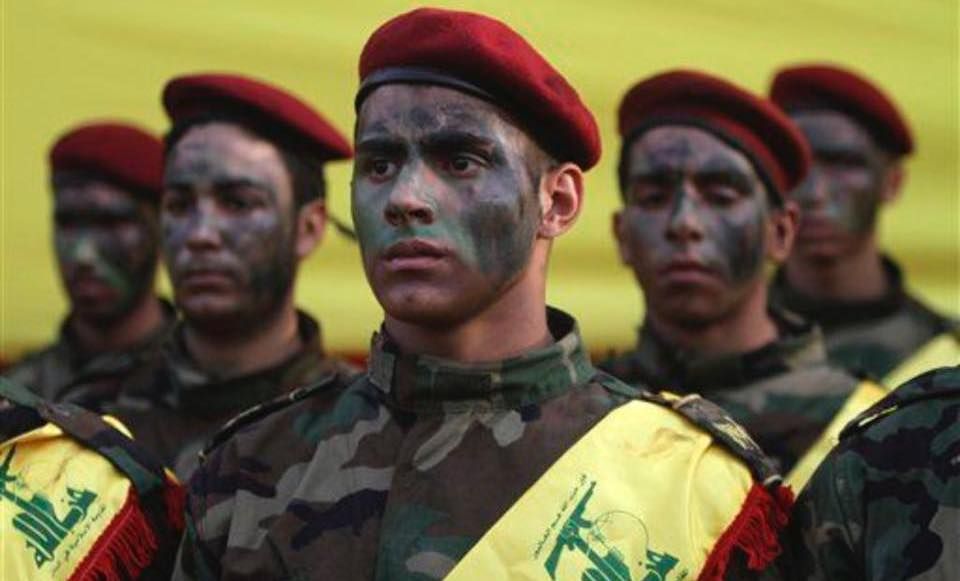
Hezbollah Militiamen
Iran's presence as a counterweight to the power of the Western Bloc and their allies in the Middle East also had significant consequences during the 2010s, when a Western and Arab backed insurgency against the Syrian government was defeated largely due to Iranian intervention. Before the intervention of Russian forces in September 2015, Iran was alongside Hezbollah and North Korea the only major backer of the Syrian government which deployed military assets to assist Damascus. Hezbollah in particular played a key role, though still heavily reliant on Iranian training and financial support to operate, and its experience in city fighting and unconventional warfare proved invaluable against Islamist militants such as the Al Nusra Front and Islamic State. Had Iran not been present as a major sponsor for the Syrian war effort, it is likely that either the government in Damascus would have fallen before September 2015 - or that Russia and North Korea would have been forced to intervene on a larger scale - and in the former's case at an earlier date. The collapse of the Syrian government would have meant the near undisputed dominance of the Western Bloc in the Middle Eastern region - emphasising again the importance of post revolutionary Iran in bringing about a major shift in the regional balance of power to deny the Western Bloc its goals of regional domination.
