
13 Year UN Arms Embargo on Iran Officially Expires: Time to Replace the Vietnam War Era Fighter Fleet?
Military Watch Magazine Editorial Staff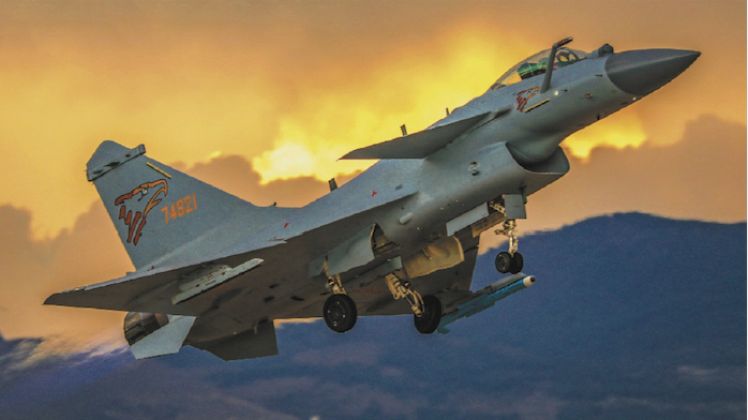
Chinese J-10 Fighter
Following its imposition in 2007 after extensive lobbying by the George W. Bush administration, an arms embargo on the arms embargo imposed on the Islamic Republic of Iran by the United Nations Security Council has officially expired after more than 13 years. The five permanent members of the council, including China, the United States, Russia, France and the United Kingdom, as well as Germany and the European Union which also participated in talks, agreed to the lifting of the embargo in October 2020 under the terms of the Joint Comprehensive Plan of action nuclear agreement signed in 2015. This and other concessions including a lifting of UN economic sanctions was approved in return for Iran accepting constraints on its nuclear program, including severely downgrading its uranium reserves. The lifting of the arms embargo will allow the country to purchase any weapons available on international arms markets by willing suppliers, something it has been restricted from pursuing not only since 2007, but also for 15 years beforehand when the collapse of the Soviet Union terminated one of its primary suppliers, with subsequent Western pressure on Russia getting in the way of multiple possible arms deals. The much poorer state of relations between Russia and the West today, and China’s emergence as a world leading defence producer both quantitatively and qualitatively speaking, mean Iran now has unprecedented opportunities to upgrade its arms inventory with very modern hardware.
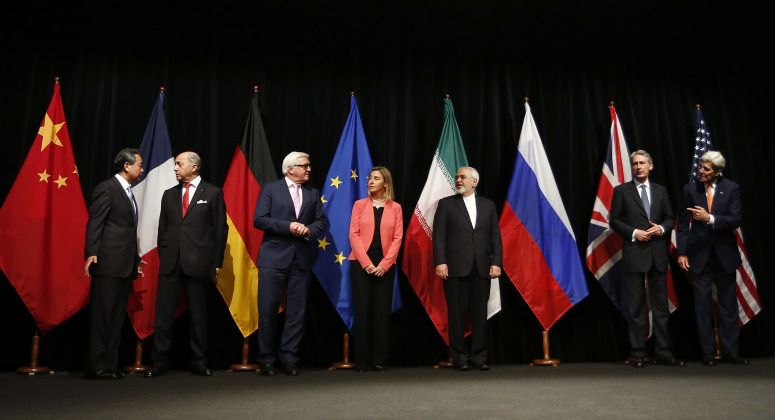
The Foreign Ministry of the Islamic Republic of Iran announced regarding the lifting of the embargo:
"As of today, all restrictions on the transfer of arms, related activities and financial services to and from The Islamic Republic of Iran, and all prohibitions regarding the entry or transit through territories of the United Nations Member States previously imposed on a number of Iranian citizens and military officials, are all automatically terminated... Therefore, as of today, the Islamic Republic of Iran may procure any necessary arms and equipment from any source without any legal restrictions and solely based on its defensive needs, and may also export defensive armaments based on its own policies.”
The United States, which abandoned the JCPOA agreement in 2018, attempted but failed to extend the arms embargo through the UN Security Council in the months leading up to the embargo, but ultimately failed. It has since threatened to take all measures necessary, likely including economic sanctions, to prevent Iran from acquiring modern arms, and has stated that it will conduct its policies as if the embargo remained in place - a position in which it enjoyed no support from other JCPOA signatories. Iran is expected to sign contracts for a number of new weapons systems over the coming year, with new fighter jets expected to be a priority and the highly sophisticated Chinese J-10C platform considered a leading candidate.
