
U.S. Desperate to Renew Expiring UN Arms Embargo on Iran - China and Russia Unlikely to Allow it
Military Watch Magazine Editorial Staff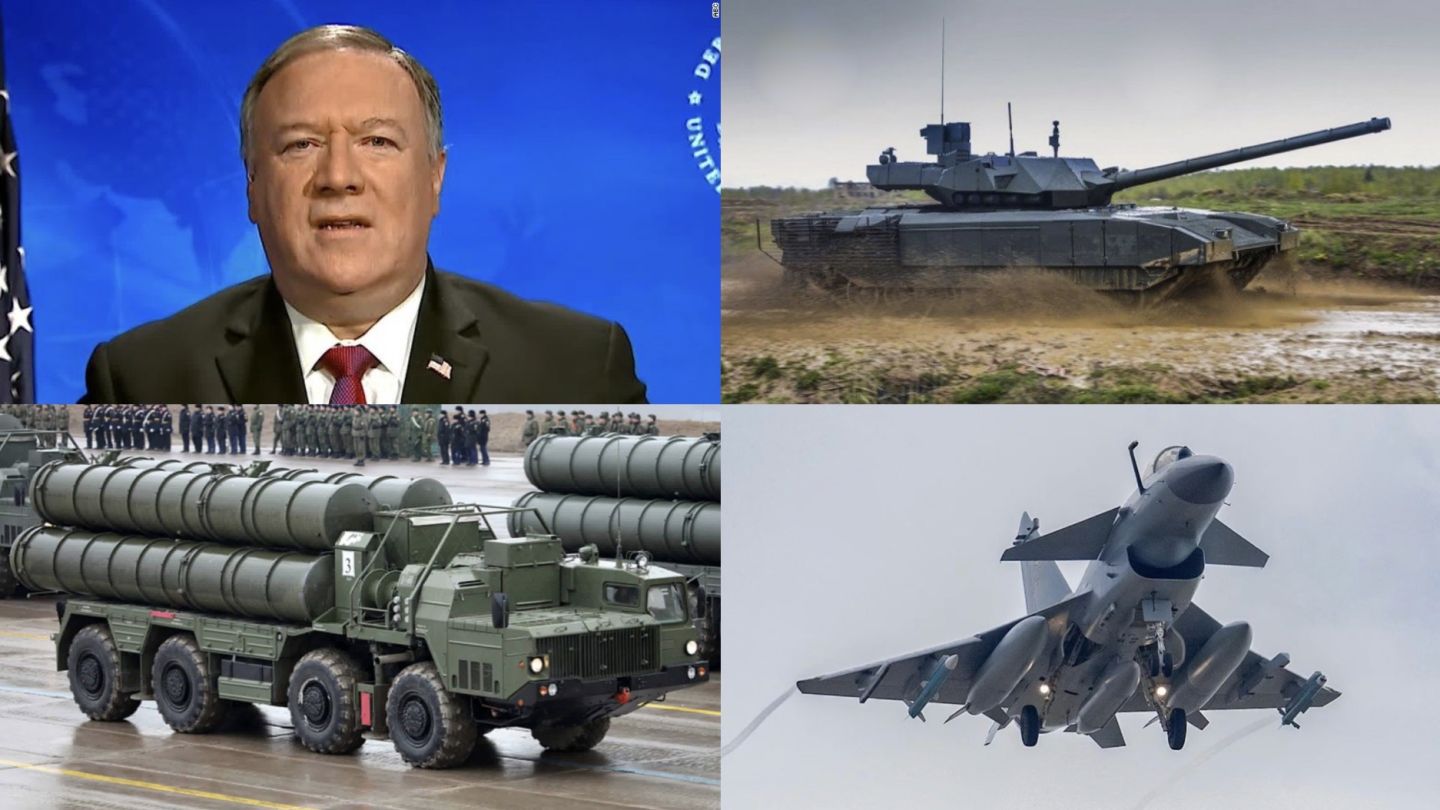
(clockwise from top left) U.S. State Secretary Mike Pompeo, T-14 Tank, J-10C Fighter, S-400 Missile System
The United States has continued to escalate efforts to renew the arms embargo imposed on Iran through the United Nations Security Council, which prevents UN member states from selling several key types of armaments to the Islamic Republic. The embargo is set to expire in October 2020 under the terms of the JCPOA nuclear deal signed in 2015, and while the U.S. has unilaterally withdrawn from the deal it is seeking to force other UN members to alter its terms to further Tehran’s disadvantage. Although European members of the Security Council are likely to support these American efforts, and have themselves been highly critical of Iran’s development of ballistic missiles despite their complete legality under the JPCOA and international law, China and Russia remain in firm opposition to Western efforts to impose further restrictions on Tehran. U.S. State Secretary Mike Pompeo has threatened that the U.S. would seek to 'snap back' all UN sanctions - not only those pertaining to arms sales - if American demands regarding the arms embargo are not met.
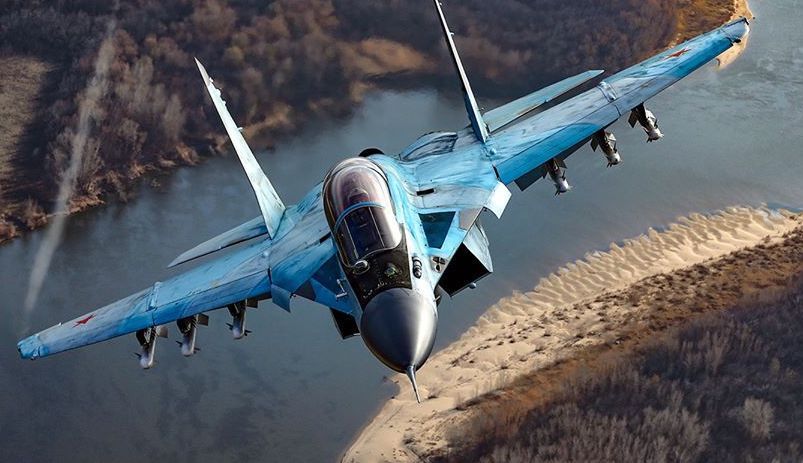
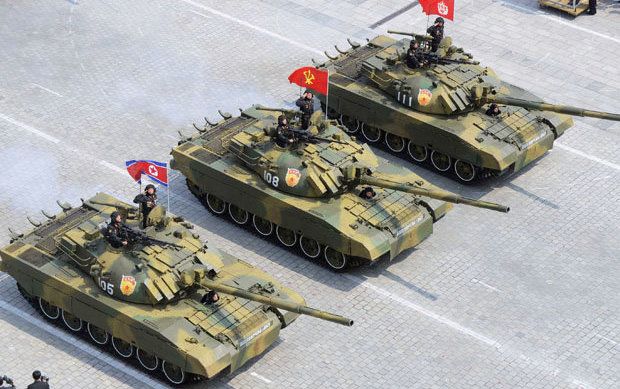
While the Iranian armed forces have been able to acquire a number of minor defensive weapons systems from China and Russia such as C-802 cruise missiles and S-300PMU-2 air defence systems, its only supplier of high end weaponry over much of the last two decades has been North Korea through both technology transfers and direct sales. Although Korean assistance has been key to improving Iranian ballistic missile and submarine capabilities and upgrading its Soviet built MiG-29 fighters, there are a number of fields for which the small state is unable to provide assistance including providing of new fighter classes and battle tanks. While North Korea does itself manufacture advanced classes of tank, namely the Pokpung Ho which is more capable than anything currently in the Iranian inventory, these are heavily tailored to mountain warfare and not well suited to desert climates.
With Iran’s fighter fleet fast ageing, it is expected to place significant orders for new fighter aircraft from China or Russia - possibly for multiple classes of aircraft from both countries. This would complement developments in its ballistic missile forces and shift the balance of power in the Middle East further against the Western Bloc and its regional allies such as Saudi Arabia and Israel. With Western allies purchasing very considerable quantities of modern arms for decades, the U.S. and its partners are seeking to maintain a favourable balance of power by denying Iran access to similarly capable weapons. Depending on how hard the U.S. presses its demands, there its potential for very serious conflict at the UN Security Council.
