
Evolution of North Korea's Aerial Warfare Capabilities: From the Korean War to the 2020s
Military Watch Magazine Editorial Staff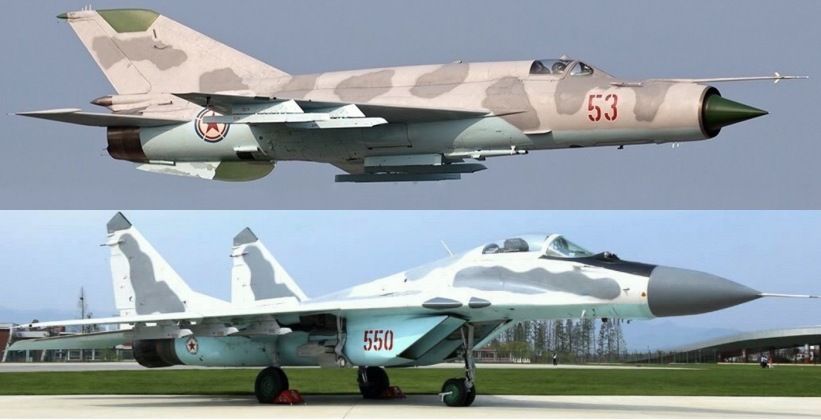
North Korean MiG-21 and MiG-29 Fighters
During the Cold War North Korea's Air Force, officially the Korean People's Army Air Force (KPAAF) maintained one of the largest and most capable air forces of all Soviet aligned states. North Korea was one of the few countries to operate both Soviet and Chinese made combat aircraft as a result of its unique balancing between the two countries during the Sino-Soviet split. Its fleet at its height was the second largest in East Asia only to China, and fielded much more modern and capable aircraft than those which comprised China's own fleet. Having fought in the Vietnam and Yom Kippur wars with distinction, the quality of Korean pilots very often exceeded those of the local pilots which they were sent to assist - most notably when they were deployed to Egypt and Syria in the early 1970s and made a strong impression on Arab pilots with their performance in the cockpits of MiG-21 jets.
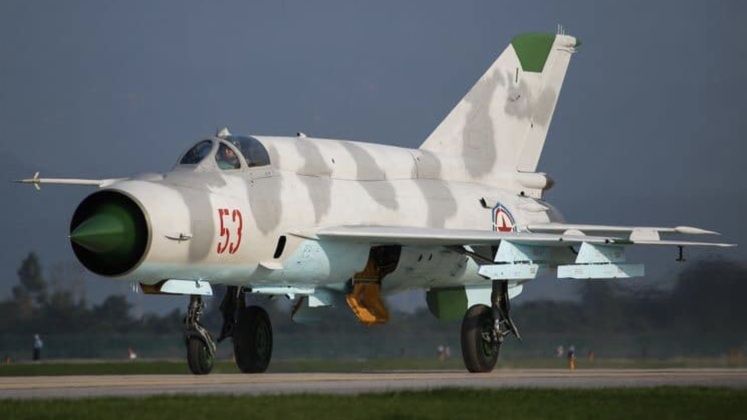
The KPAAF gained its first major operational experience during the Korean War, initially deploying Second World War era Yak-9 aircraft which launched multiple strikes on U.S. targets ranging from ground forces to heavy bombers before transitioning to advanced MiG-15 swept wing fighter jets. The country placed a strong emphasis on aerial warfare ever since due largely to the massive damage inflicted across all the country's towns and cities by Western bombing and firebombing raids. With the Soviet Union providing considerable support throughout the 1950s and into the following decade, North Korea deployed not only some of the world's most advanced long ranged air defence systems - namely the S-25 and S-75 - but also MiG-17, MiG-19 and early variants of the MiG-21 fighter jets. The MiG-21s were deployed for multiple skirmishes with U.S. and South Korean forces over the following two decades, and caused significant losses among American assets - most notably the downing of an American EC-121 Warning Star airborne early warning and control radar surveillance aircraft in 1969 which killed 31 American personnel.
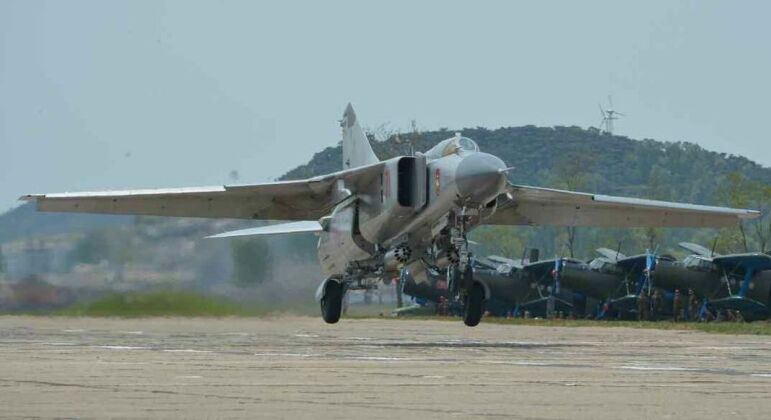
Improved relations with the Soviet Union in the latter half of the 1980s allowed North Korea to purchase new generations of weapons systems, including its first fighters with beyond visual range air to air capabilities the third generation MiG-23 and fourth generation MiG-29 as well as new ground based air defence systems and Su-25 ground attack jets. Following the end of the Cold War, facing three years of severe natural disaster, immense pressure from Western economic sanctions the loss of its primary trading partners from across the former Warsaw Pact, North Korea's economy fell into decline. The result was that throughout the 1990s Pyongyang was unable to significantly modernise its Air Force to keep pace with the new weapons systems being deployed across the 38th parallel by the United States and South Korea. The loss of Soviet protection, however, did prompt Pyongyang to increase defence spending from 1992 until natural disaster worsened its economic crisis in 1995, and the country was able to purchase both enhanced third generation MiG-21BiS jets as well as production lines for fourth generation MiG-29s.
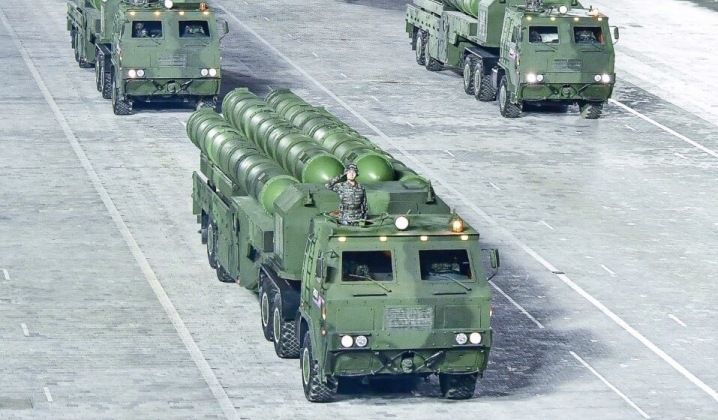
The MiG-29, MiG-23 and MiG-21BiS form the backbone of North Korea's combat fleet until today, with the MiG-29s and possibly other fighters having been enhanced with the integration of R-27ER air to air missiles which provide a respectable 130km engagement range. The country's domestic defence sector is thought to be responsible for modernising and refurbishing the fleet, possibly with some foreign support. Without any post-Cold War fighters, and lacking support aircraft such as AEW or AWACS platforms, the KPAAF remains at a considerable remains at a significant disadvantage relative to the air arms of South Korea and the United States - which respectively field elite F-15K and F-22 heavyweight fighters. The country has largely compensated for its lack of a modern air force by developing sophisticated air defence systems and tactical ballistic missiles - the former to deny enemy aircraft access to its airspace and the latter to neutralise enemy airfields in a war's early stages.
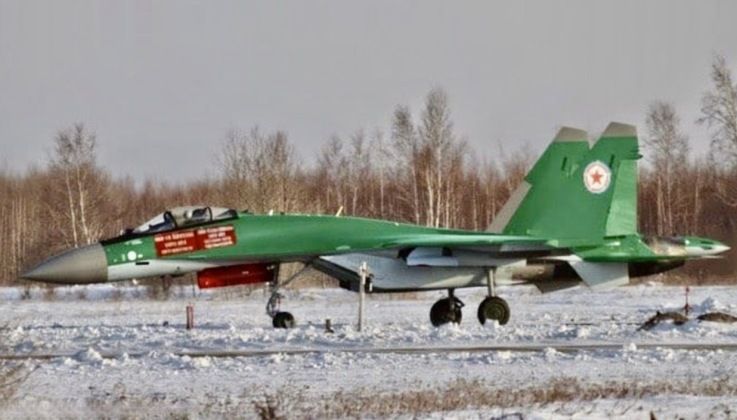
Although North Korea's asymmetric strategy to tackle the threat from enemy air power has yielded dividends and improved its security situation considerably, there have been a number of reports indicating that the the country has shown an interest in acquiring combat aircraft from abroad. Unverified South Korean reports indicate that the Russian Su-35 '4++ generation' fighter was of particular interest in the mid 2010s, but Vice Marshal Choe Ryong Hae traveled to Russia as a special special envoy to arrange for the sales and met with President Vladimir Putin to discuss defence cooperation. While Russia has an interest in supporting its neighbour's defence however, such support is likely to be less overt and could come in the form of technology transfers to North Korea's own defence sector rather than overt and conspicuous sales of aircraft in direct contravention of the UN Security Council's resolutions. With its domestic defence sector having effectively provided for the needs of the Ground Force, the Naval Force, the Strategic Rocket Forces, and the Special Operations Force, as well as ground based systems for the Air and Anti-Air Force, North Korea's fleet of combat aircraft is by far the oldest and least up to date arm of its military. Unless either the 2006 arms embargo on the country is lifted, or else a supplier openly defies the embargo, this is likely to remain the case for the foreseeable future. Should North Korea be able to acquire new fighters however, it is likely that the MiG-23 will be the first fighter to be retired due to its high operational cost compared to the MiG-21 and its limited capabilities relative to the MiG-29
