
Japan Developing Next Generation Drone Fighter For Unmanned Stealth Warfare
Military Watch Magazine Editorial Staff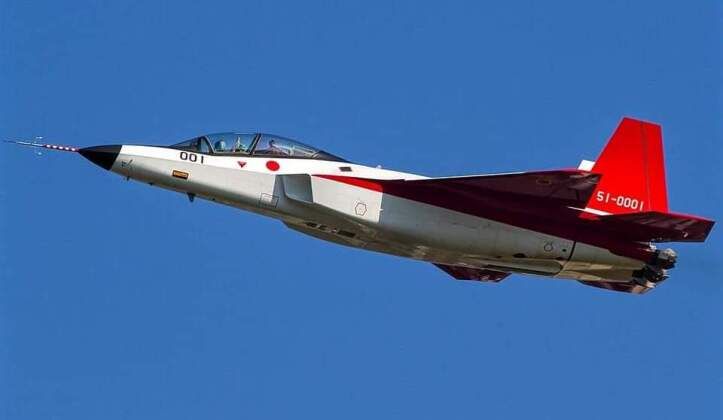
Mitsubishi Shinshin X2 Technology Demonstrator
Japanese companies Subaru and Mitsubishi have begun development of a new class of next generation fighter aircraft, which is expected to join the country’s air force in 2035. The fighter is one of two platforms currently under development in parallel in the country, with a manned sixth generation jet designed for high end air superiority missions also being developed by Mitsubishi. The company, responsible for developing some of the most prolific Japanese defence products historically from Zero fighter aircraft of the Second World War to the world’s largest warships of that era, has already developed a flyable next generation technology demonstrator under the Shinshin X2 program. While Subaru will develop remote and flight control capabilities for the new fighter, Mitsubishi will be designing an information-sharing system, although it remains uncertain which parties will be allocated responsibility for other aspects of the program. It also remains uncertain how much Japan’s two next generation fighters will have in common with one another, with the possibility of shared sensor, radar and engine technologies remaining highly likely. Japan was previously expected to rely heavily on either U.S. or British support for its manned fighter program, but later chose to pursue a more independent course possibly to reduce excessive reliance on foreign actors in its defence sector which inevitably came with significant political constraints.
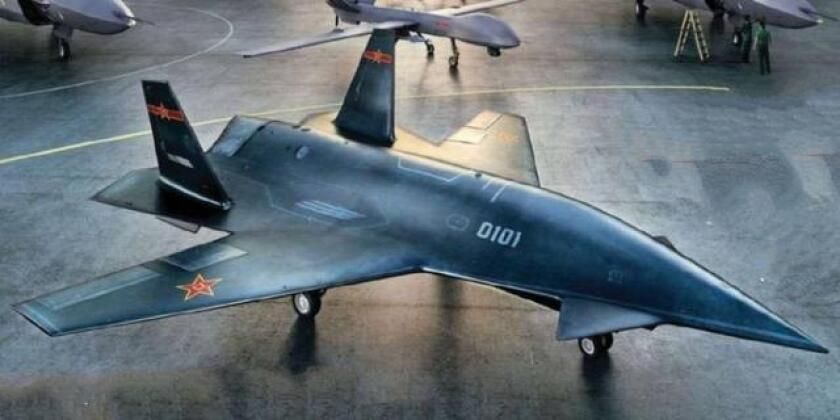
The Japanese Defence Ministry is planning to oversee development of an unmanned fighter in three stages. This include firstly: creating remotely-controlled aircraft, secondly: combining operations where one manned aircraft controls multiple drones, and thirdly: designing fully autonomous squadrons. The deadline for entry into service for both manned and unmanned fighter programs is notably the same year - 2035. While many countries have invested in developing fifth or sixth generation fighters, Japan is better placed than most to pursue such a program due to the size of its defence budget and sophistication of its technological base. British and Franco-German sixth generation fighter programs in particular, and the Turkey’s TF-X fifth generation fighter program, are expected to struggle to compete at the level of more established players such as China, the U.S. and Russia - both in terms of performance and particularly in terms of cost effectiveness. Japan’s fighters will be designed to go head to head with very high end challengers, with neighbouring Russia’s Su-57 next generation fighter having entered service in December 2020 and being used as a testbed for multiple sixth generation technologies, while its more ambitious MiG-41 sixth generation interceptor will be operational by 2030. China too leads the field with its J-20 being the first non-American fifth generation fighter to enter service worldwide, and multiple further fifth and sixth generation designs expected to surface over the coming years. Like Japan, both Russia and China have invested in unmanned next generation fighters with advanced air to air capabilities under the Okhotnik and Dark Sword programs.
