
Japanese Military to Start New Next Generation Fighter Program to Replace F-2 Multirole Jets
Military Watch Magazine Editorial Staff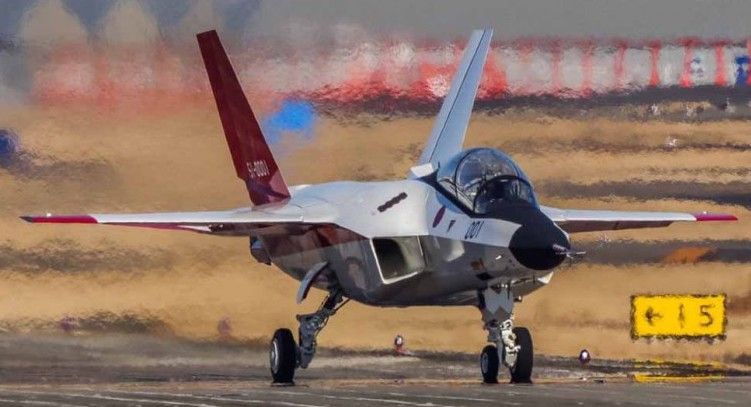
Japanese Shinshin X2 Next Generation Fighter Prototype
Japan’s Ministry of Defence has confirmed its intention to start an indigenous fighter program to develop a light multirole combat jet to replace the F-2 ‘4+ generation’ light fighter in the 2030s. This comes as the future of the country’s plans to develop a next generation air superiority fighter to replace the F-15, instead of the F-22 Raptor it was denied permission to purchase by the United States, is brought to serious question. Following the test flight of the Shinshin X-2 advanced technology demonstrator, the program appears to have stalled - and the MOD appears to instead be considering a less ambitious program to develop a much lighter jet without an air superiority specialisation - replacing the single engine F-2 rather than the heavy specialised twin engine F-15.
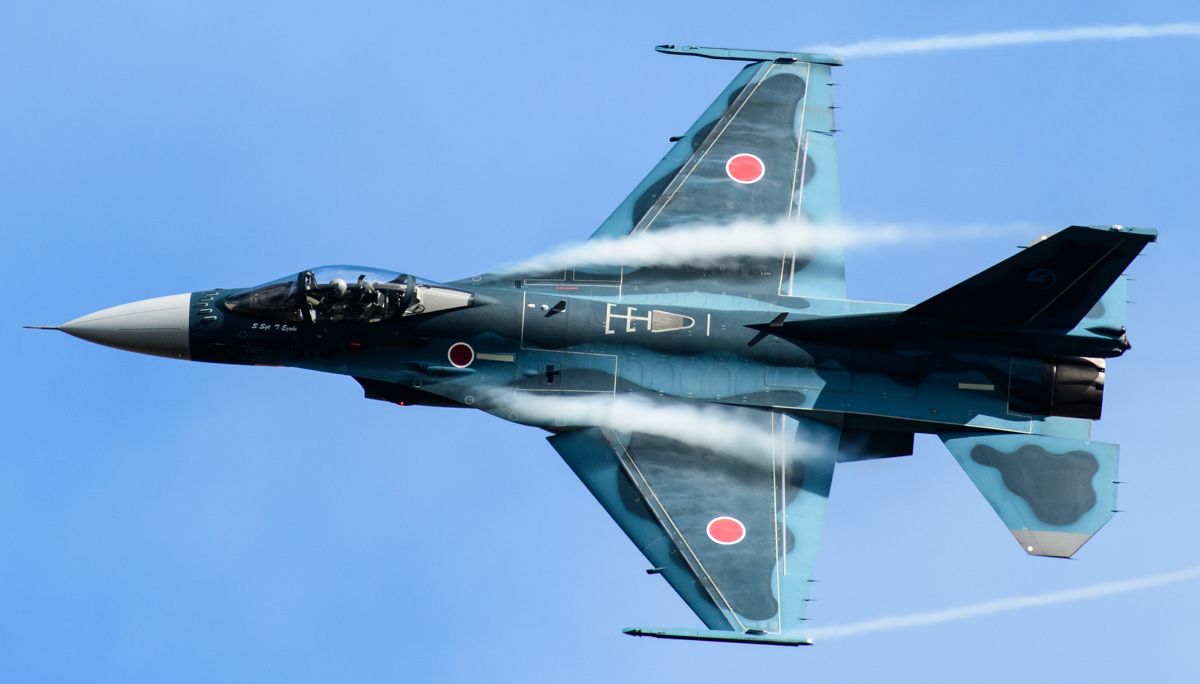
The F-2 saw its first flight in 1995 and entered service in Japan’s Air Force in the year 2000. The fighter was developed as an advanced derivative of the American F-16 Fighting Falcon, and is arguably the most capable Falcon derivative developed to date. The fighter was the first in the world to deploy an active electronically scanned array (AESA) radar, reducing its radar signature significantly and thus enhancing its survivability at range. These radar technologies would five years later be applied to the F-22 Raptor. The fighter made extensive use of composite materials which made its airframe both lighter and more durable than the original F-16 - though this combined with a very small production run of under 100 aircraft made the aircraft extremely expensive. The platform was jointly manufactured by Mitsubishi Heavy Industries and Lockheed Martin - with 60% of manufacturing done by the former and 40% by the latter.
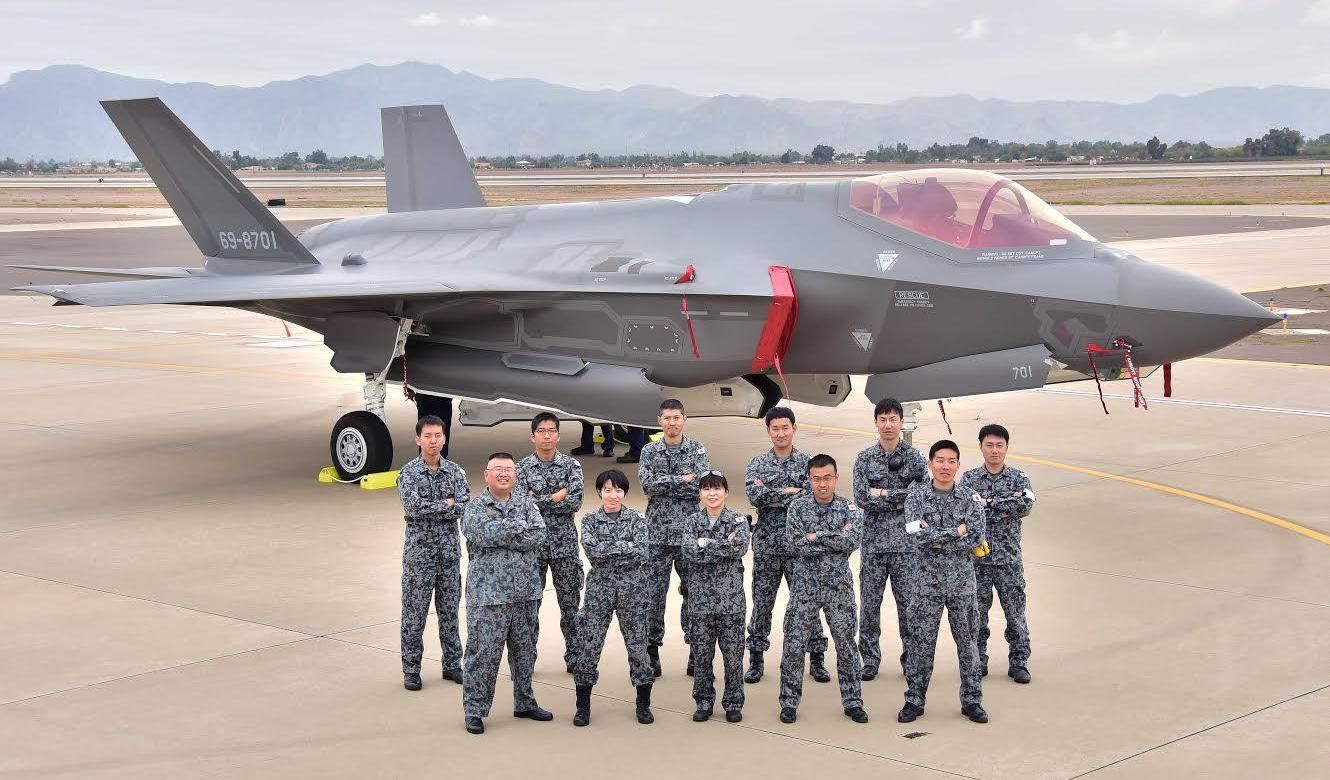
Japan has long aspired to develop an indigenous fighter, but has instead relied heavily on U.S. designed combat jets manufactured in the country under licence, from the Vietnam War era F-4E Phantom - manufactured in Japan as the F-4EJ, to the F-35A Lighting II currently being built in Japan by Mitsubishi Heavy Industries. The fighter planned to replace the F-2 will reportedly deploy advanced stealth capabilities, and the MOD has indicated that it is open to cooperating with foreign contractors in the program. The possibility has been raised that Japan could partner with Britain’s BAE systems to jointly develop the Tempest sixth generation fighter program to serve in both air fleets. BAE Systems, Lockheed Martin, Boeing, and Northrop Grumman are all likely to be leading potential parters for the program - with Japan highly unlikely for political reasons to select a non Western partner.
