
Iran Stages Air Defence Buildup Near Nuclear Sites While Facing Possible U.S. Attacks: S-300s, F-14s and More All On Guard
Military Watch Magazine Editorial Staff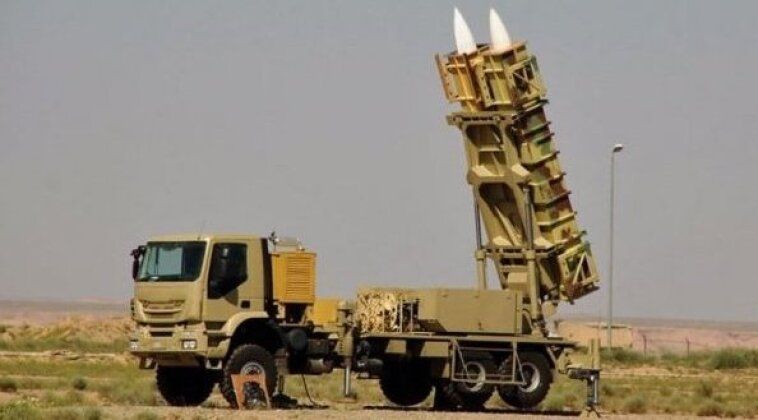
Iranian Bavar 373 Surface to Air Missile Battery
Tensions between the outgoing U.S. administration of President Donald Trump and the Islamic Republic of Iran had remained high throughout 2020, since the former assassinated Iran’s highest ranking military officer General Qasem Soleimani on January 3rd. With the possibility of a serious escalation of hostilities in the American administration’s final month in office, following the deployment of an unusually large and conspicuous naval contingent to the Persian Gulf and allegations of attacks by Iranian-backed militias in Iraq, Iran has reportedly reinforced air defences around its nuclear facilities which are expected to be a prime target for potential U.S. or allied attacks. The U.S. notably withdrew from the Joint Comprehensive Plan of Action (JCPOA) nuclear deal in 2018, under which Iran had agreed to limit its nuclear activities in exchange for relief from economic sanctions, Iran has loosened restrictions on its nuclear program allowing it to potentially produce enough highly enriched uranium for a very small number of nuclear warheads over time.
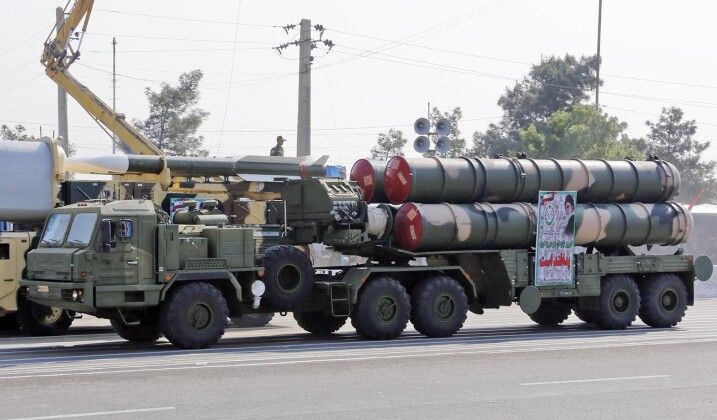
Iran is the only one of the four states termed ‘great power adversaries’ by the United States to lack a viable strategic deterrent against the United States, and fields nether intercontinental range ballistic missiles nor any forms of weapons of mass destruction. The country’s conventional military forces are also considered by far the weakest of the four - the other three being China, Russia and North Korea. Nevertheless, the country has developed a relatively capable air defence network relying on indigenous and Russian technologies, and deploys the Russian S-300PMU-2 and S-200 long range surface to air missile systems alongside the indigenous Bavar 373 and Khordad 15 systems which also enjoy long ranges. The most capable of these is the S-300PMU-2, a design which has been in Russian service since 1997 and was considered the most advanced in the world at the time until the entry into service of the S-400 ten years later. The system reportedly received new missiles from Russia in July 2020, which are thought to have been provided by Moscow to deter possible Western attacks.
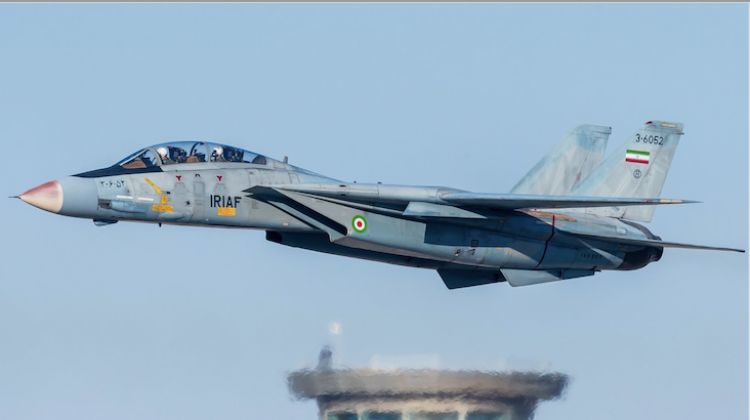
Alongside the aforementioned multirole air defence systems, Iran’s defence network also relies on the advanced Russian Rezonans-NE air defence radar and on American-supplied F-14 fighter jets acquired in the 1970s. The radar system provides a very high degree of situational awareness and is reportedly highly capable against American stealth aircraft such as F-35s. The F-14 fighter has received over 250 modifications for service in the Iranian Air Force, including a new radar and integration of indigenous and Russian air to air missile designs to replace the ageing U.S.-supplied originals. An arms embargo imposed on Iran by the United Nations Security Council notably expired in October 2020, and the country is expected to strengthen its air defences considerably over the coming years with modern fighter aircraft to supersede the F-14 and possibly with new air defences. Leading candidates include Chinese J-10C fighter jets, which have highly sophisticated sensors and stealth features and some of the world’s most capable air to air missiles, and Russian S-400 air defence systems which are much more capable than the older S-300PMU-2 model.
