
Consequences of America’s Assassination of General Qasem Soleimani: Everything That Has Happened Since [Updated]
Military Watch Magazine Editorial Staff![Consequences of America’s Assassination of General Qasem Soleimani: Everything That Has Happened Since [Updated]](https://militarywatchmagazine.com/storage/media/0016/16351/conversions/article_5e10b4ea1bc1d5_07483865-hero.jpg)
(clockwise from top left) U.S. Special Forces, Iranian F-14, General Soleimani, MQ-9
In the early hours of December 3rd, 2019, U.S. forces carried out a strike near Baghdad International Airport claiming the lives of Iranian Revolutionary Guards Corps (IRGC) General Qasem Soleimani and over two dozen others Iraqi and Iranian targets in his convoy. Soleimani was the most prominent military figure in Iran, arguably in the entire Middle East, and commanded the IRGC’s Quds Force - the branch of the corps responsible for unconventional warfare operations across the Middle East including operations alongside Hezbollah against Israel and support for Syrian forces against Islamist militant groups. The American operation to kill Soleimani was personally authorised by President Donald Trump, with the U.S. Congress informed before the attack took place, and its success arguably. represents the greatest victory for the Western Bloc’s interests in the Middle East in the past five years. The aftermath of the generals’ death has had serious consequences across Iraq, the wider Middle Eastern region and beyond.
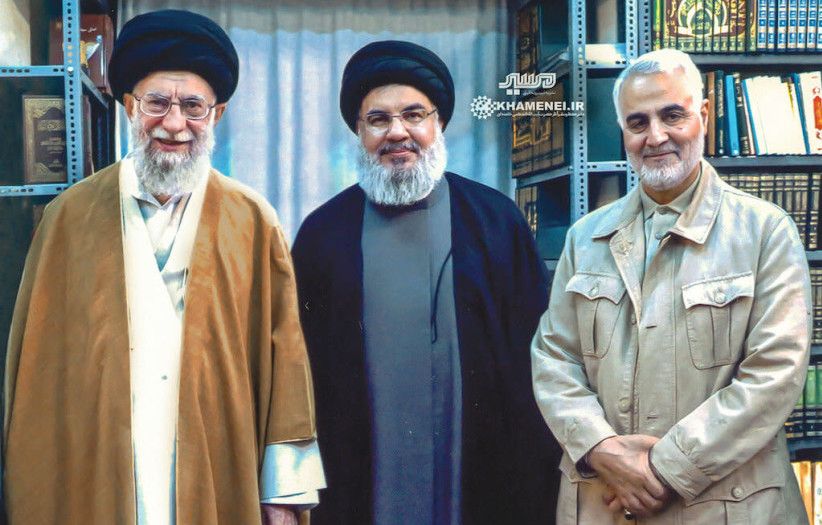
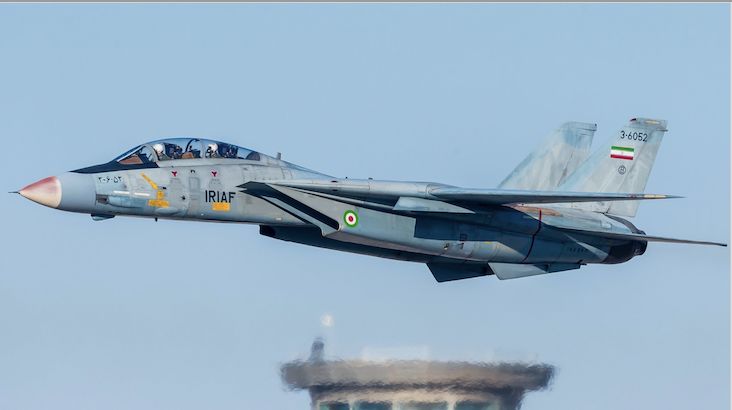
In Iran Soleimani’s assassination led to widespread protests in towns and cities across the country mourning the loss and calling for revenge, with similar shows of solidarity in neighbouring Pakistan and Iraq. Iranian state media subsequently announced that it had deployed F-14 fighters, the most capable in the country’s air fleet, to patrol the western borders with Iraq and Arab states - where the U.S. maintains large military contingents. Iranian Supreme Leader Ali Khamenei, a close friend of the deceased general, meanwhile warned of a “harsh revenge” awaiting the “criminals” responsible for the attack. Khamenei subsequently appointed Soleimani’s deputy, Brigadier General Esmail Ghaani, as commander of the Revolutionary Guards’ Quds Force. The country’s Foreign Ministry issued a statement warning that the U.S. bore responsibility for its “criminal attack,” and that the assassination would strengthen resistance against the U.S. in the Middle East. Similar statements were issues by other prominent figures in the Iranian government.
Beyond Iran’s borders, Western oil companies began evacuations of American employees from Iraq due to expected Iranian retribution, while the British Armed Forces which also maintained a sizeable presence in the Persian Gulf region boosted security and combat readiness at its bases. France, which maintains a sizeable and potentially vulnerable military contingent in Syria, meanwhile warned Iran to refrain from responding to the American attack. Germany's Foreign Ministry strongly took the side of the United States, framing the assassination as a defensive response to Iranian aggression, with Canada and Britain issuing statements to much the same effect. Israel’s Prime Minister Benjamin Netanyahu praised the attack as an act of self defence by the United States, but cut short his trip to Greece and cancelled a meeting with the president in Athens as security was tightened in Israel itself due to the possibility of retaliation by Iran or its allied militias. Outside Israel and the Western world however, the American attack was met with widespread condemnation - with both Russia and China among others rebuking Washington for its actions and Beijing accusing the U.S. of "abusing" the use of force. Russian Foreign Minister Sergei Lavrov stated that the assassination "“grossly violates international law and should be condemned.” Afghanistan's former president Karzai was among the others who highlighted the illegality of the operation. The government of Syria meanwhile pledged that Soleimani’s support for the Syrian people’s struggle “will not be forgotten,” a reference to the general’s extensive backing for the Syrian war effort and coordination of several high profile counterterrorism operations there. The United Nations’ special rapporteur on extrajudicial, summary or arbitrary executions Agnès Callamard criticised the assassination, stating: "The targeted killings of Qasem Soleimani and Abu Mahdi al-Muhandis most likely violate international law [including] human rights law.”
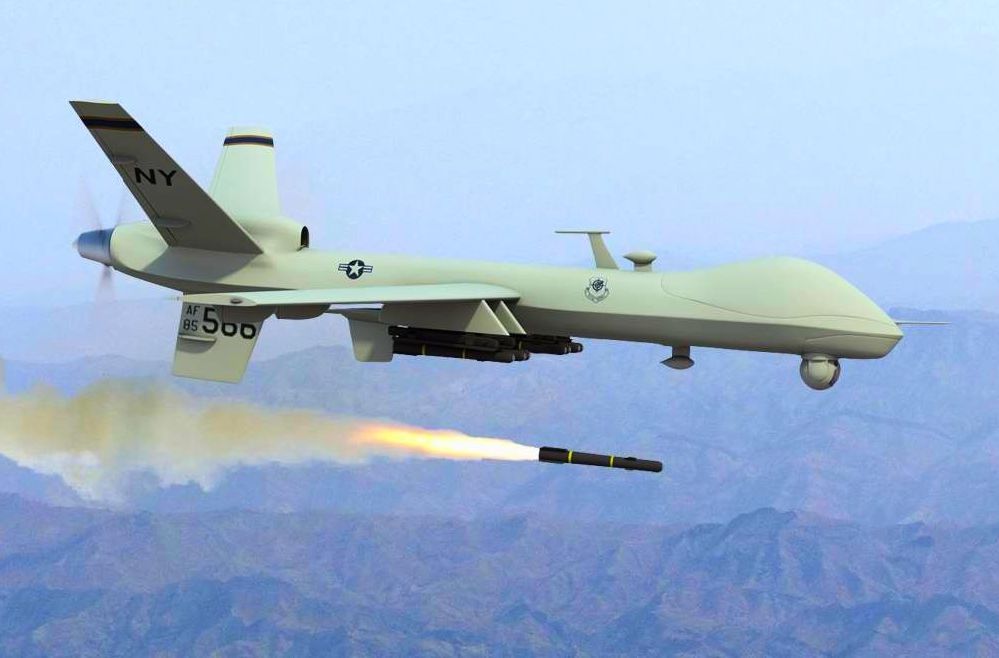
It was later revealed by U.S. sources that, contrary to previous reports that General Soleimani had been targeted by American military helicopters, an MQ-9 Reaper attack drone was responsible for the attack, and was overseen by the CIA rather than the U.S. Military itself. The drones were operated from Creech Air Force base in Nevada. Following the success off the strike, the Pentagon approved the deployment of an additional 3,000 military personnel to the Middle East - adding to the considerable reinforcements already sent across the past eight months. The U.S. also moved to designate the Iraqi Asaib Ahl al Haq militia, an affiliate of the Iraqi Popular Mobilisation Forces closely aligned with Baghdad which has cooperated closely with Iran’s Quds Force, as a terrorist organisation. It was later confirmed that the commander of the Popular Mobilisation Force, Mohammed Rida al Jabri, had been with General Soleimani and was killed in the CIA’s attack. The attack caused a rise in oil prices and in the stocks of major U.S. defence manufactures including Northrop Grumman (up 5.4%), Lockheed Martin (up 3.6%), AeroVironment Inc. (up 6.9%) and Raytheon (up 1.5%).
