
Iran’s F-14 Tomcats Take to the Skies: Air Force’s Elite Scrambled to Patrol Western Borders After U.S. Attack Kills Quds Force Commander Qassem Soleimani
Military Watch Magazine Editorial Staff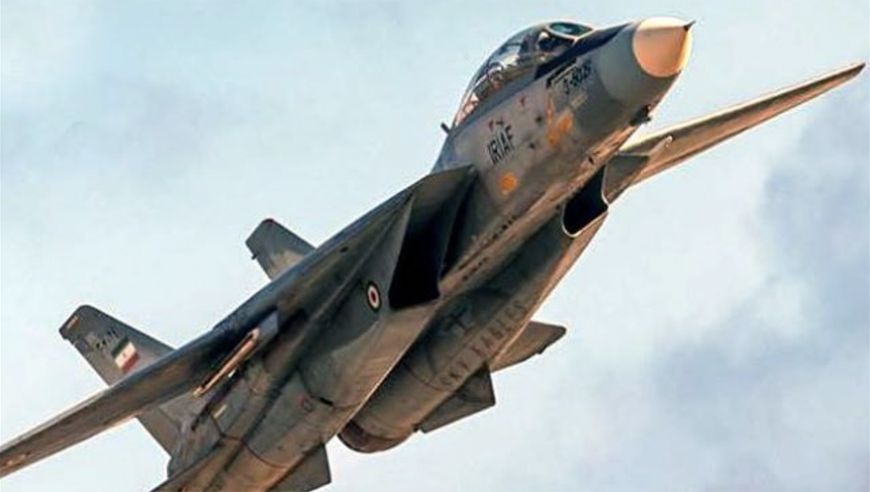
Iranian Air Force F-14 Tomcat Air Superiority Fighter
Following a U.S. airstrike on the convoy of Iranian Revolutionary Guards Corps General Qasem Soleimani near Baghdad International Airport, which claimed the life of the senior commander and two dozen others, Tehran has vowed to respond with a "crushing revenge" sparking a rise in tensions across the Middle East. The Iranian Foreign Ministry subsequently issued a statement warning that the U.S. bore responsibility for its “criminal attack,” and that the assassination would strengthen resistance against American in the Middle East. Iranian Supreme Leader Ali Khamenei, a close friend of the deceased general, meanwhile warned of a “harsh revenge” awaiting the “criminals” responsible for the attack. While Iran is unlikely to respond with a strike of its own in the near future, particularly with its adversaries in the region including British, U.S. and Israeli forces on high alert, the country has staged a major show of force within its own borders - scrambling its Air Force’s most capable fighter jets in considerable numbers to patrol the Western borders. The deployment was announced by Iranian state media.
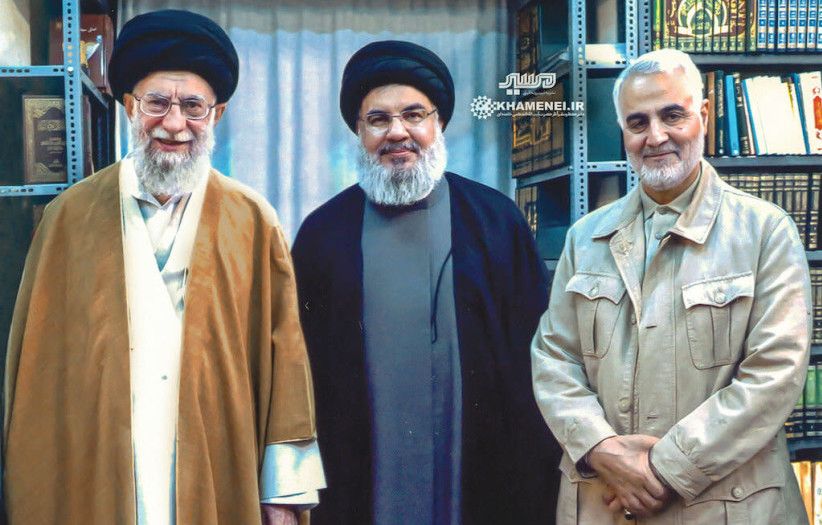
The F-14 Tomcat is the heaviest and most capable fighter jet in the Iranian inventory today, and has been extensively modernised in Iranian service with new cockpit displays, radars and electronic warfare systems and with new indigenous long ranged air to air missiles - namely the Fakour 90. The fighters comprise two of Iran's seventeen squadrons, with approximately three dozen in service, and are the only Iranian jets armed with modern standoff air to air missiles. With much of the Iranian public likely to be demanding retribution for the killing of the Revolutionary Guards’ most venerated general, and with Tehran itself far more weary of sparking a major incident, deployment of the F-14s may divert some criticisms away from the government over its lack of an immediate response. Iran’s top security body, the Supreme National Security Council, meanwhile met to discuss the attack - although it remains uncertain what form the Iranian response will take. Brigadier General Esmail Ghaani, deputy commander of the Revolutionary Guards’ Quds Force, has been appointed as the force’s commander to replace General Soleimani.
