
Enduring Lightning Exercises Target Iran: Israel and U.S. Carry Out Joint F-35 Stealth Fighter Drills in Southern Israel
Military Watch Magazine Editorial Staff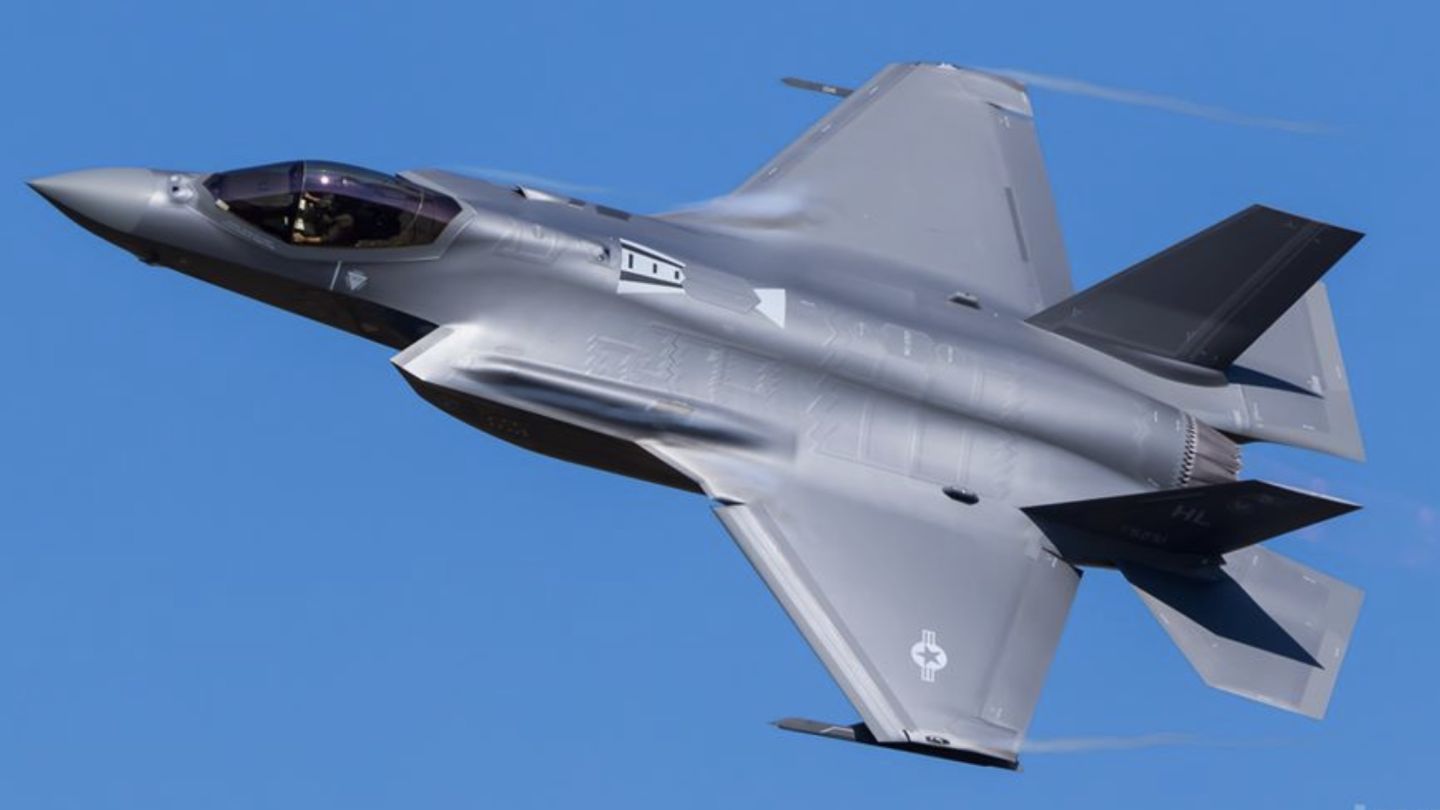
F-35 Fifth Generation Fighter
Despite ongoing concerns from the spread of the COVID-19 coronavirus, the Israeli Air Force and the United States Air Force have proceeded with special permission go carry out the ‘Enduring Lightning’ exercises using F-35 stealth fighters. The F-35 is the latest class of American fighter to enter service, and is designed as a fifth generation analogue to the American F-16 Fighting Falcon which it will replace in frontline service. It is the only stealth fighter in the world with a single engine and light weight designed to prioritise a low production cost, and one of just three of it’s generation in service in the world alongside the heavier and more elite F-22 Raptor and its Chinese analogue the Chengdu J-20. While the fighter has formidable potential, it remains very far from fully combat ready and continuers to suffer from multiple performance issues which make it unsuitable for high or medium intensity engagements. Over 100 of the aircraft are being manufactured per year, with Israel operating around 16 of the jets.
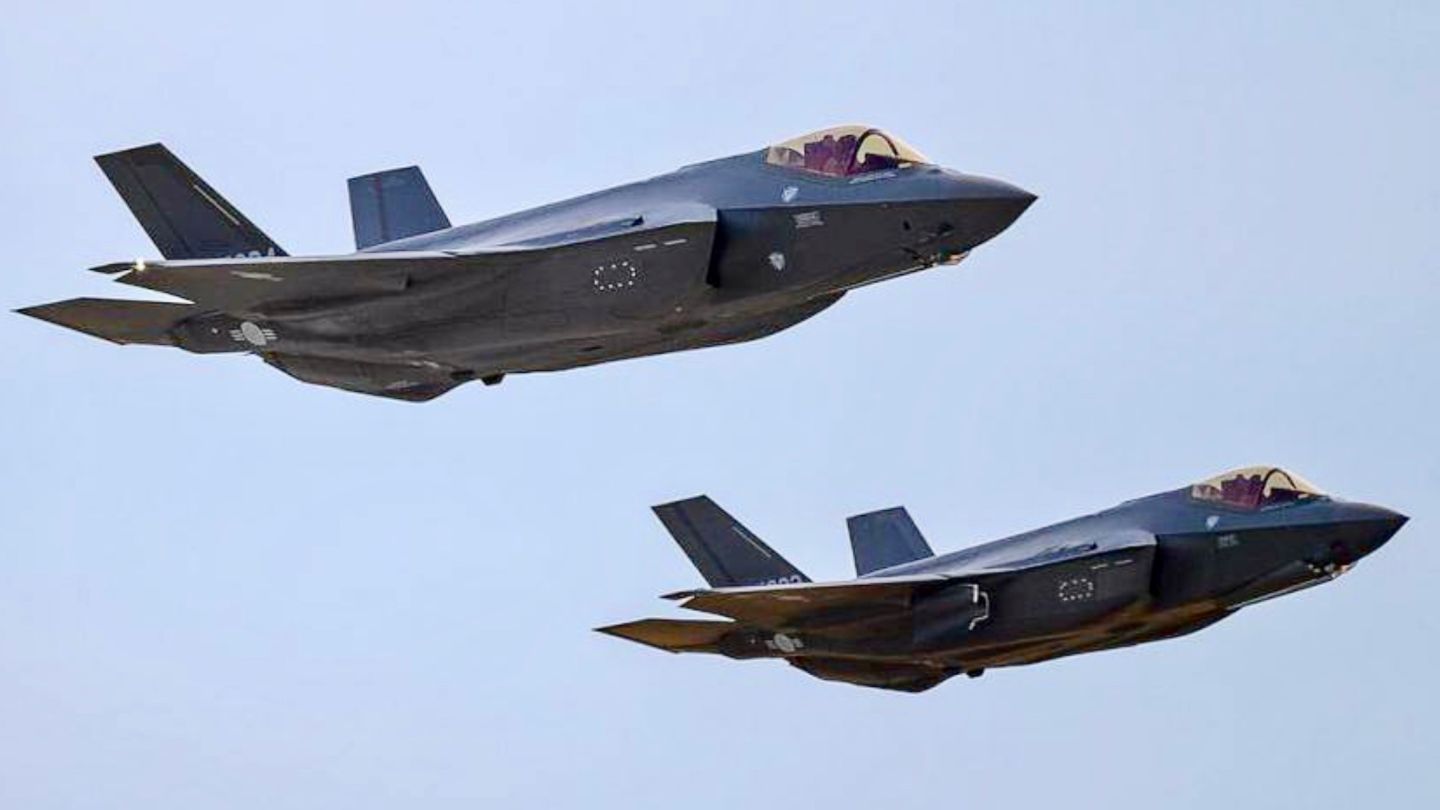
The Enduring Lightning drills saw pilots simulate operations in “a wide variety of operational theatres while strengthening the cooperation between the forces” while facing a range of aerial and ground threats, according to an Israeli Air Force statement. Exercises were carried out in Southern Israel. The exercise leader, going by the name of ‘Major M.,’ stated regarding the drills:
"this will be the second time we'll fly alongside an American F-35. We aspire to stay as connected as possible to countries involved in its development project, and training with the Americans presents an excellent opportunity to do so since they have a lot of knowledge and expertise on the matter. The exercise we conducted was intimate. The forces flew in two formations of four, and communicated directly as opposed to through an indirect channel.”
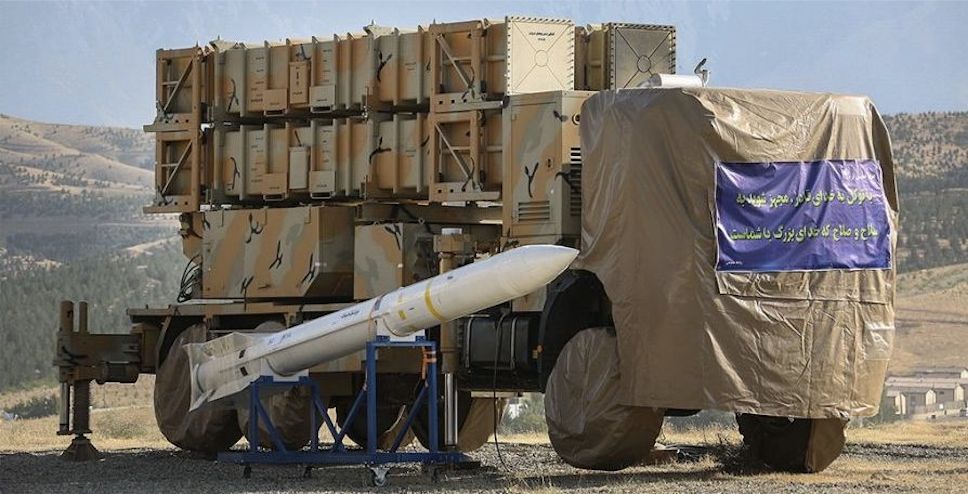
Exercises come at a time of growing tensions between Iran and both Israeli and the U.S., and Tehran’s acceleration of its nuclear program has led Israeli analysts to conclude that it could have a nuclear weapon by the end of 2020. Iran operates a complex multi layered air defence network including long range systems such as the S-300PMU-2, S-200 and Khordad-15 as well as shorter ranged Tor-M2 and 3rd of Khordad systems among others. This makes its airspace extremely difficult to penetrate for non-stealthy aircraft, as demonstrated by the downing of a Global Hawk surveillance drone in 2019, meaning the more survivable American and Israeli F-35s and U.S. F-22 and B-2 jets will be needed to spearhead an assault. The F-35’s very low operational capacity at present, however, seriously limits the threat to Iran at least for the coming years.
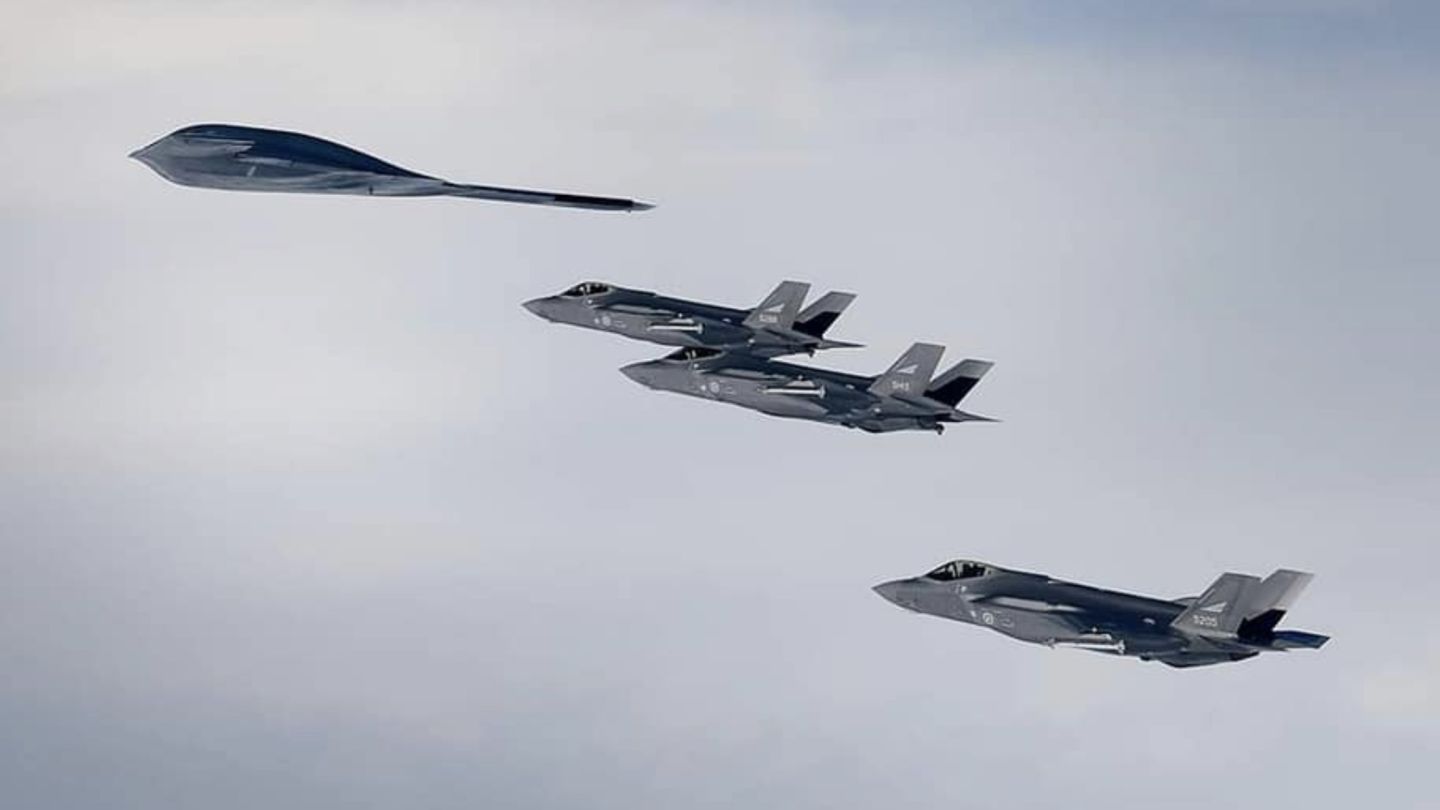
Both American F-22s and F-35s have been deployed to the Persian Gulf region, while the intercontinental range of the B-2 allows them to reach Iran from anywhere on the planet including the U.S. mainland itself. With the F-22, America’s only fully operational stealth fighter, fielded in limited numbers and unable to carry high diameter penetrative rounds needed to neutralise Iranian nuclear facilities, this limits offensive options available to the U.S. and its allies built around use of stealth systems. The F-35’s reliance on aerial refuelling to reach Iranian targets is another notable weakness. Iran for its part is set to upgrade its aerial warfare capabilities in the near future, with platforms such as the S-400 air defence systems and MiG-35 fighter jets all under serious consideration.
