
China Develops World’s First Hypersonic Glide Vehicle for Air-to-Air Combat
Military Watch Magazine Editorial Staff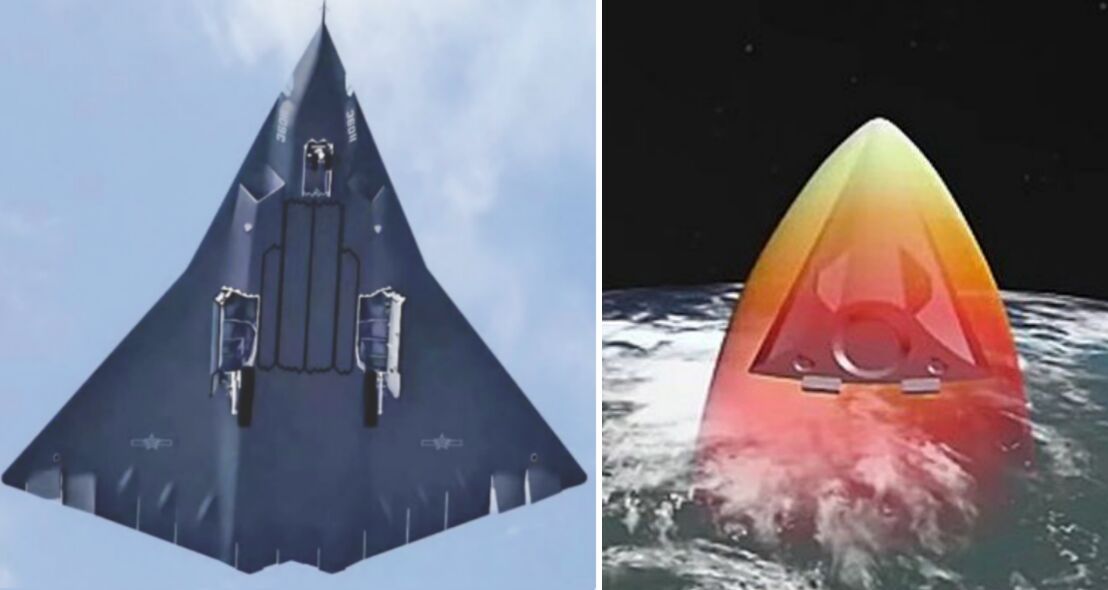
Sixth Generation Fighter and Hypersonic Glide Vehicle
The world’s first hypersonic glide vehicle capable of air-to-air engagements is reportedly currently under development in China, and is expected to extend China’s ability to attack high value support aircraft and bombers at unprecedented ranges and with a minimal warning time. This will build on the advantages provided by the PL-17 air-to-air missile, which is currently the longest ranged in the world, with hypersonic glide vehicles having significant advantages in terms of speed, flight performance, and efficiency. A hypersonic glide vehicle is expected to provide missiles with much greater remaining range, a higher terminal velocity, and more manoeuvring energy, as well as less dependence on the launching fighter’s speed and altitude.
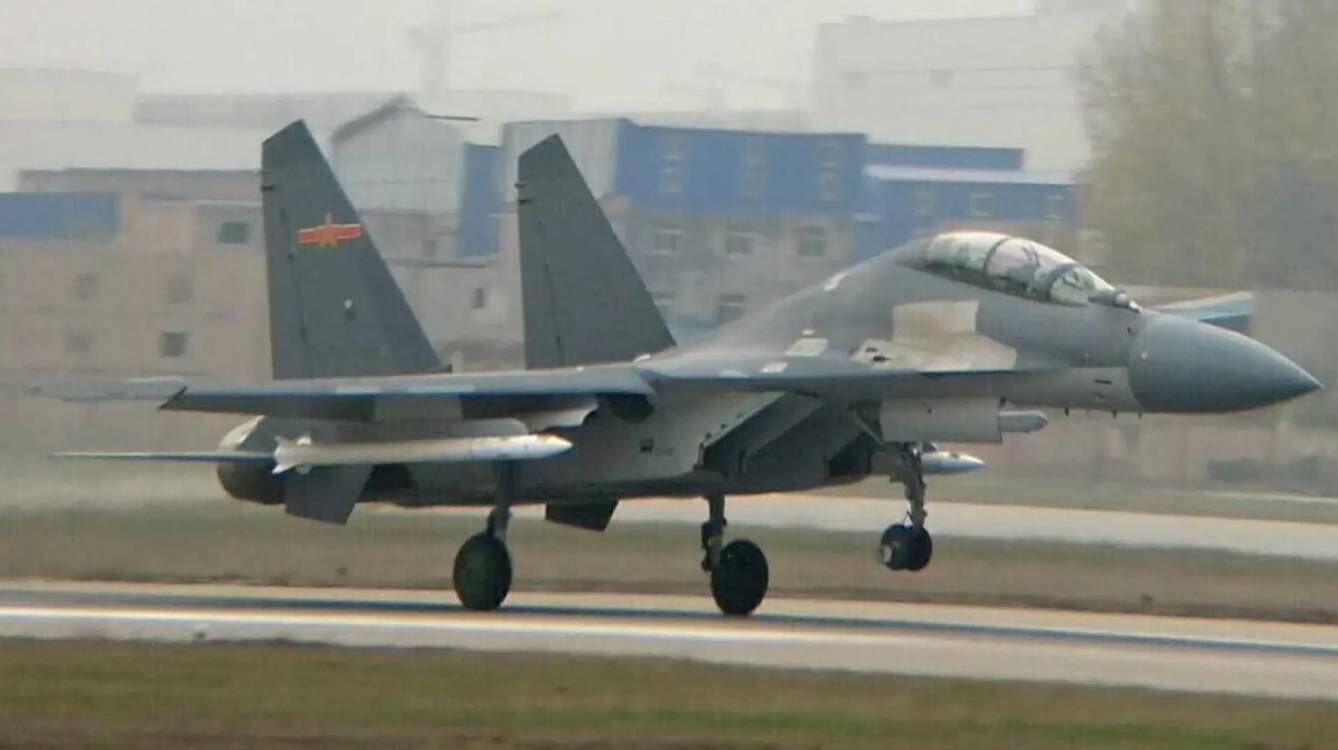
China benefits from fielding by far the world’s largest fleet of heavyweight fighter aircraft in the world, which are well optimised to carrying very large air-to-air missiles such as high diameter glide vehicles, with the J-16 fleet expected to play a central role in this. Western air power relies very heavily on airborne support infrastructure, including tankers and airborne early warning and control (AEW&C) ‘flying radar’ systems, which compensates for the generally shorter ranges and smaller radars of Western fighters. The development of a new generation of long range air-to-air missiles that exploits Chinese leaders in hypersonic glide vehicle technologies could therefore very significantly impact the balance of power in the Pacific.
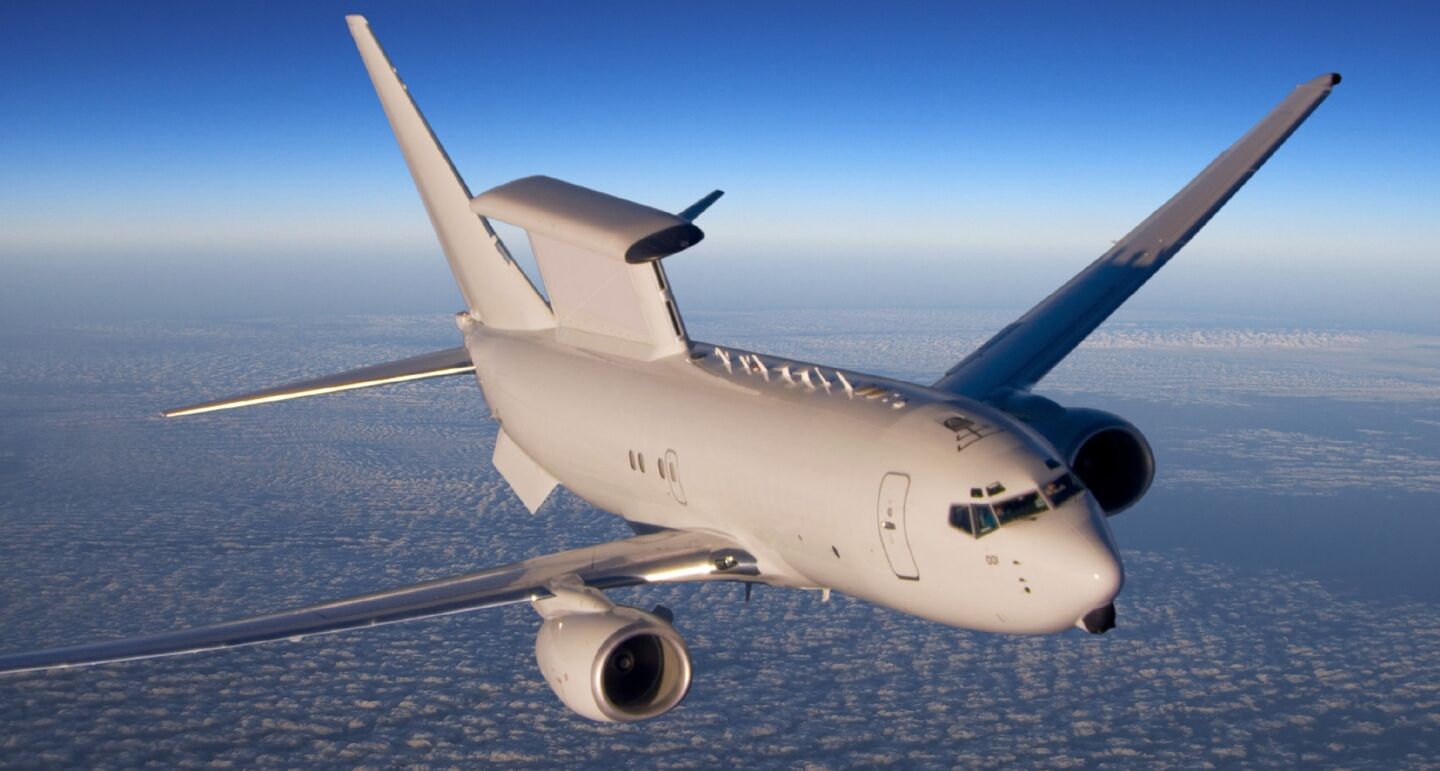
Hypersonic glide vehicles currently in service were developed to attack ground targets or warships, with the constant high speed movement of aircraft posing significantly greater targeting challenges. This could be facilitated by integration with space-based surveillance architecture, long-range reconnaissance aircraft, unmanned systems and increasingly sophisticated data networks could potentially provide the information required to cue such weapons. China’s air force is currently procuring cutting edge AEW&C systems at a greater rate than the air forces of the next several countries combined, which could provide key support to very long range air-to-air attacks.

The development of the new missile is expected to complement the service entry of China’s first sixth generation fighters from around 2030, with one of these aircraft developed by the Chengdu Aircraft Corporation having the largest airframe and longest range of any fighter type in the world. This aircraft’s capabilities could be highly complementary to those of a hypersonic glide vehicle, allowing for strikes on high value aircraft far across the Pacific from bases in China. The aircraft’s combat radius is expected to exceed 3,500 kilometres, which combined with the far longer range expected for the new hypersonic air-to-air missile could pose a leading threat to high value Western aircraft in the theatre.
