
China’s J-20 is Now the Most Procured Fighter By Any Service Since the Cold War: Fleet Surpasses 500 Aircraft
Military Watch Magazine Editorial Staff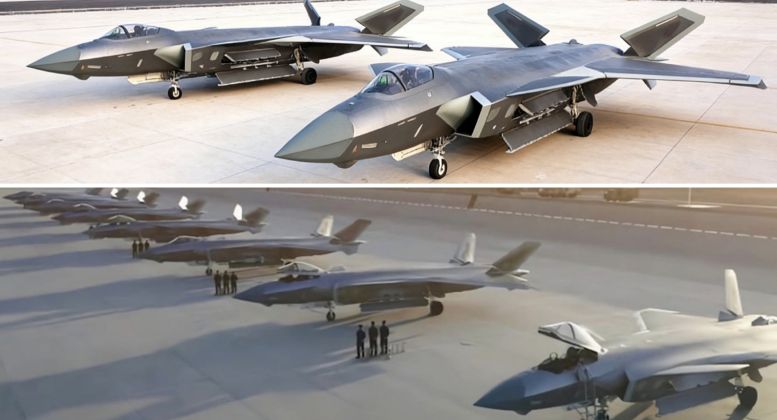
Chinese PLA Air Force J-20 Fighters
The Chinese People’s Liberation Army Air Force’s fleet of J-20 fifth generation fighters is estimated to have exceeded 500 fighters, with recent accelerated deliveries to new air brigades providing confirmation of years of reports of a significant expansion of the type’s scale of production. Eighteen air brigades are confirmed to have now received the aircraft, with each brigade typically fielding 28 fighters, for a total of 504 fighters. A further 40-60 fighters are estimated to be allocated for training operations. Deliveries to new air brigades are often only confirmed months or years after they occur, meaning that the figure could be closer to or over 600 fighters. These deliveries make the J-20 by far the most procured fighter type by any single service since the end of the Cold War.
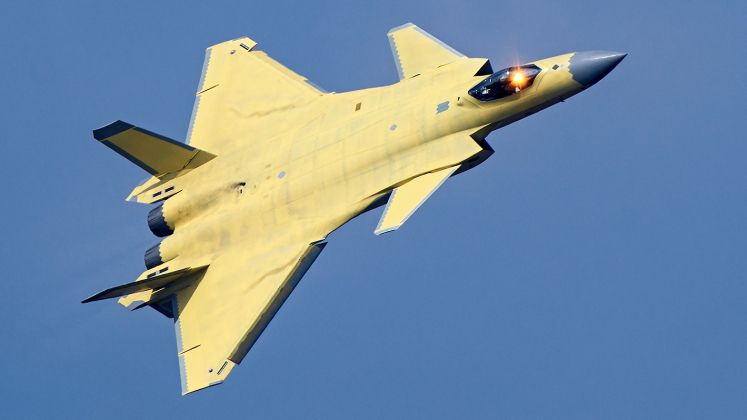
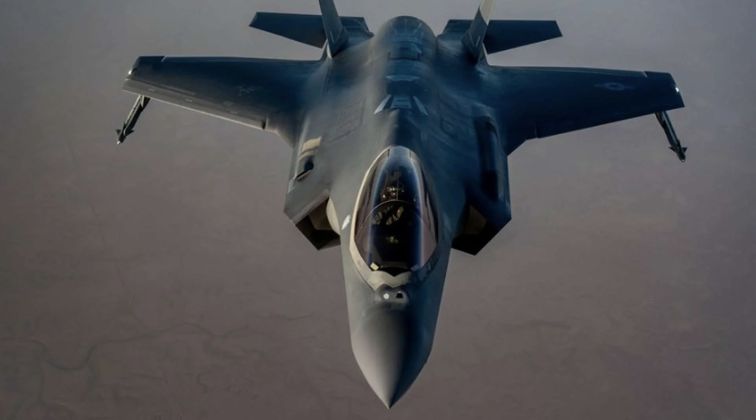
To place J-20 deliveries in perspective, the United States Air Force has received roughly 430–450 F-35A fifth generation fighters since deliveries began in 2011, placing the service in a distant second place. Where deliveries of the J-20 have surged, however, and are estimated at 100-120 fighters per year, deliveries of F-35A fighters have fallen to just 24-40 per year. The only fighter type rivalling the J-20 and F-35 in the numbers delivered is the J-16, of which close to 500 are also estimated to have been delivered to the Chinese People’s Liberation Army Air Force. A very distant fourth place is held by the Russian Su-30MKI, a much less advanced ‘4+ generation’ fighter type which has seen an estimated 270-285 fighters delivered to the Indian Air Force.
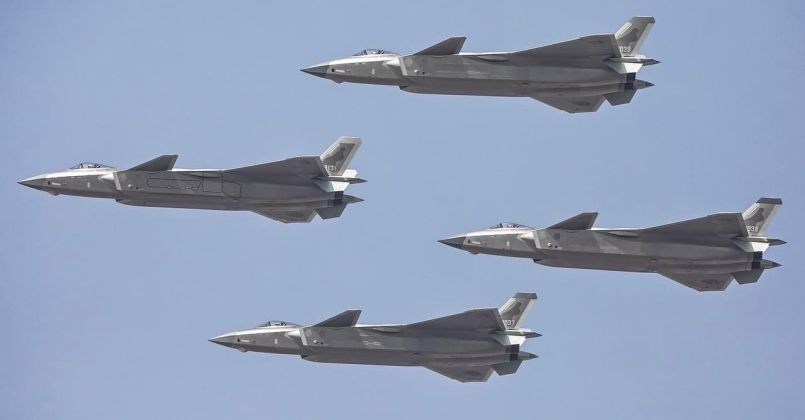
A significant factor in the decision to expand J-20 production is thought to be the modernisation of the aircraft to the J-20A standard, the most notable aspect of which is the integration of twin WS-15 engines. Video footage in December 2025 for the first time confirmed that the first batch of fighters had integrated the clean sheet new engines, which significantly improve power generation capacity, reduce maintenance needs, and drastically enhance all aspects of flight performance including range. Footage released by the J-20’s primary developer, the Chengdu Aircraft Industry Group, in January for the first time showed several of the new aircraft undergoing test flights with the WS-15. This is far from unprecedented, with the J-20’s transition from the Russian AL-31FM2 to the WS-10C engine in production in 2020 having also resulted in a significant expansion of production.
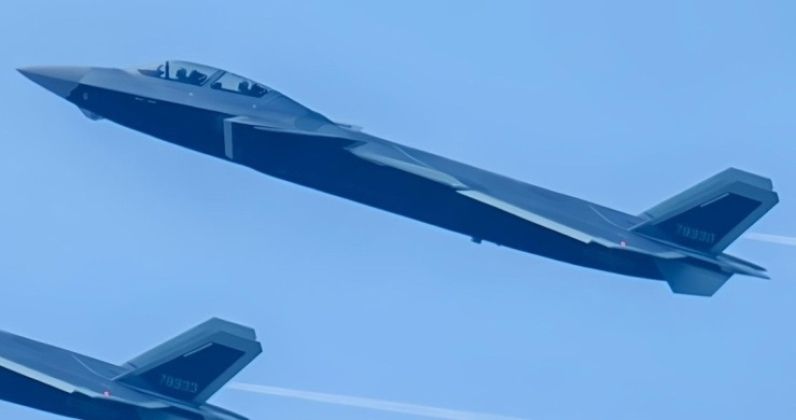
Further important factors in the decision to expand J-20 production are the variety of roles the aircraft are expected to play, the type’s significant modernisation, and its reported comparable operational costs to fourth generation fighters like the J-11, which contrasts to U.S. fifth generation programs which have exceedingly high operational costs. The J-20S twin seat variant in particular was designed to serve as an airborne command post and as a drone controller, while new WS-15 engines provide the potential for major improvements to avionics over several decades. A January report published by the British Royal United Services Institute (RUSI) estimated that due to the significant expansion of production, the Chinese People’s Liberation Army Air Force will field approximately 1,000 J-20s by 2030. The expected service entry of Chinese sixth generation fighters into service in the early 2030s is likely to lead to a reduction to J-20 production numbers.
