
Britain Betting Heavily on Tempest Sixth Generation Fighter Program For Future of its Military Aviation Industry
Military Watch Magazine Editorial Staff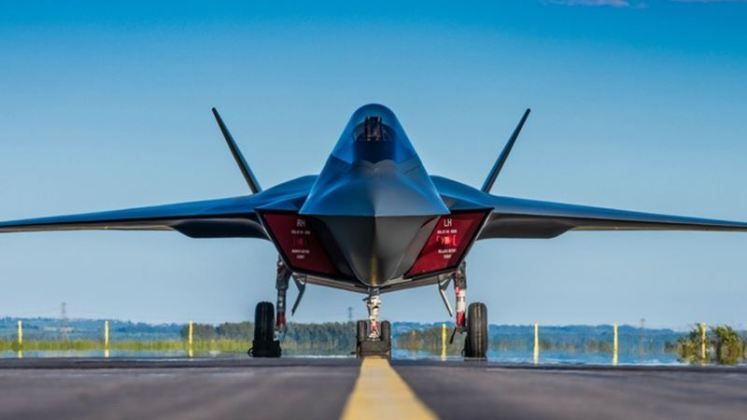
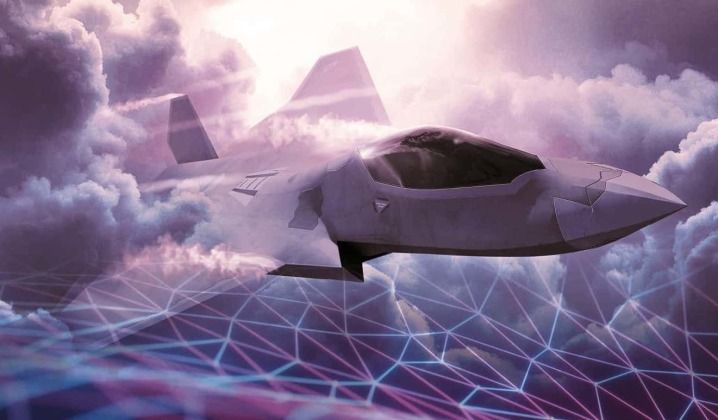
Tempest Sixth Generation Fighter - artwork
Following its announcement in 2018, a number of details have emerged regarding Britain’s highly ambitious Tempest sixth generation fighter program, with a group of the country’s leading defence aerospace companies having recently further clarified plans for the new aircraft. Amid doubts regarding whether Britain could independently develop such an aircraft, given not only a very severe recent economic crisis but also questions regarding the sufficiency of the country’s technological base, a new report has attempted to highlight the potential economic contribution the Tempest program could make to the country - predicting that it could support an average of 20,000 jobs every year between 2026 and 2050 and would contribute at least £25.3 (around $32 billion) to the British economy in its first 30 years. The report further indicated that the fighter program would play a role in securing skills within the domestic military aviation industry - the future of which previously remained uncertain. The report comes at a time when London is reportedly considering making deep cuts to military spending, with ambitious ‘white elephant’ projects such as the Tempest fighter being among the most likely projects to be targeted.
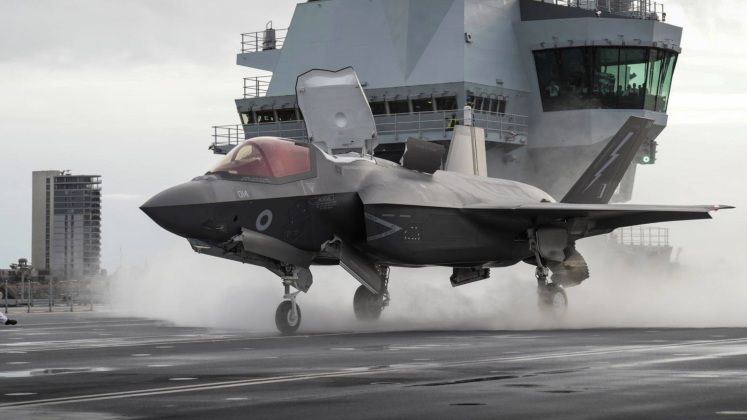
Britain is currently involved in production of the Eurofighter fourth generation jet alongside Germany, Italy and Spain, although the program, which dates back to the late Cold War years, is not expected to see many more aircraft manufactured and has failed to secure any export orders outside the Persian Gulf region - with the exception of a small sale to Austria in 2003. It is also heavily invested in jointly manufacturing F-35B vertical landing capable fighters, the most expensive fighters in the world in production today, although a weakening pound and declining economic situation, even before the 2020 economic crisis, raised serious questions regarding the country’s ability to purchase anywhere near the number of fighters originally planned. It has thus been hoped that the Tempest will provide a much needed boost to the country’s military aviation sector. The program is currently headed by Britain’s largest defence manufacturer BAE Systems, with the technology and defence partnership known as Team Tempest also including British engine manufacturer Rolls-Royce, the British Royal Air Force, Italian defense contractor Leonardo, European missile consortium MBDA, and hundreds of smaller tech firms.
Despite being pursued as a partnership with some input from European firms, as it currently stands the Tempest is set to rely much more heavily on indigenous technologies than other major military aviation programs Britain has participated in in recent years. Plans outline the potential economic contribution from the initial stages of the Tempest program covering the period until 2050, with the full details set to be published before the end of the year. According to BAE Systems, there are currently 1,800 people employed in the Tempest program in Britain, including employees both in the industrial base and at the Ministry of Defense, with this number expected to rise to 2,500. Highlighting these benefited is central to the argument for continuing with the program, where the government may otherwise try to reduce costs by buying an ‘off the shelf’ sixth generation fighter from Japan, Europe or the U.S. which would likely be cheaper, but would not benefit the national economy or defence sector. £2 billion (almost $2.6 billion) have already been committed to the program, with the first prototypes expected to be manufactured in the second half of the decade around 2026.
