
More Companies Join Britain’s Tempest Sixth Generation Fighter Program as New 3D Rendering Unveiled
Military Watch Magazine Editorial Staff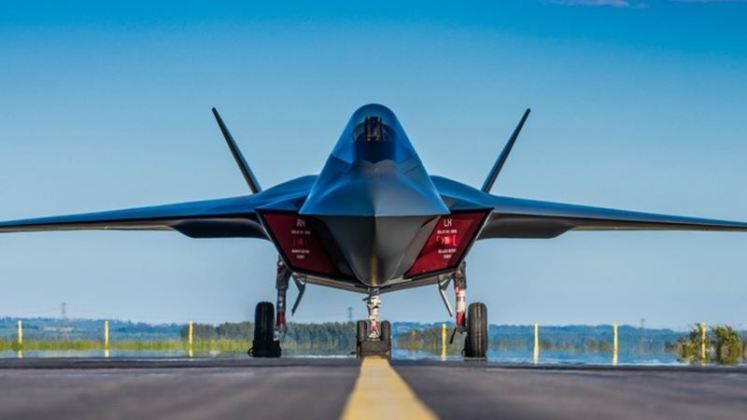
Tempest Sixth Generation Fighter - artwork
As progress continues on Britain’s highly ambitious Tempest sixth generation fighter program, it has been announced that seven new companies will collaborate on the project including Bombardier, Collins Aerospace, GEUK, GKN, Martin Baker, Thales UK and QinetiQ, alongside multiple smaller companies and British universities. Companies previously confirmed to be involved in the program include BAE Systems, Rolls Royce, Leonardo and MBDA. British Defence Minister Jeremy Quin stated regarding the introduction of new companies to the Tempest program: “Today’s announcement demonstrates further progress in delivering the UK’s combat air strategy, with more companies collaborating on the future of the UK’s Air Defence. This is a highly innovative project based around cutting-edge technology and drawing on a skills base where the UK excels. I am delighted that the success and strengths of Team Tempest are being enhanced through drawing on UK expertise; working with industrial partners and highly capable international team we are configured for future success.”
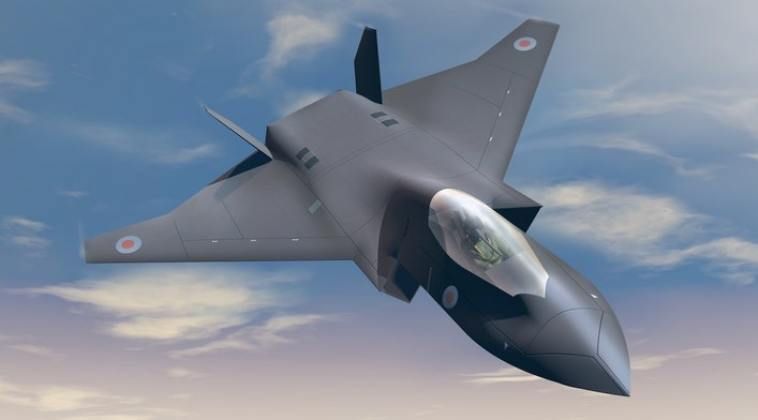
The announcement comes less than a week after the British Royal Air Force released the first 3D model fo the Tempest fighter which gave new insights into its appearance and possible capabilities. Provision of such information at such an early stage of development is notable given that larger sixth generation fighter programs being pursued in parallel, including at least two in the United States and more in China and Russia, have been far more secretive. It remains uncertain to what extent each country’s conception of a sixth generation fighter jet will align with the others, with the Tempest program stressing a reduced radar cross section and the ability to operate both with and without a pilot depending on the specific mission requirements. To maximise versatility, the Tempest fighter will emphasise the ability to plug in different types of software and hardware including different weapons, sensors and fuel tanks. Further details on what features will define sixth generation fighters remain uncertain, and considering that only the United States and China have been able to field domestically developed fifth generation fighters so far, jumping ahead to the sixth generation is expected to require very significant investments in research and development.
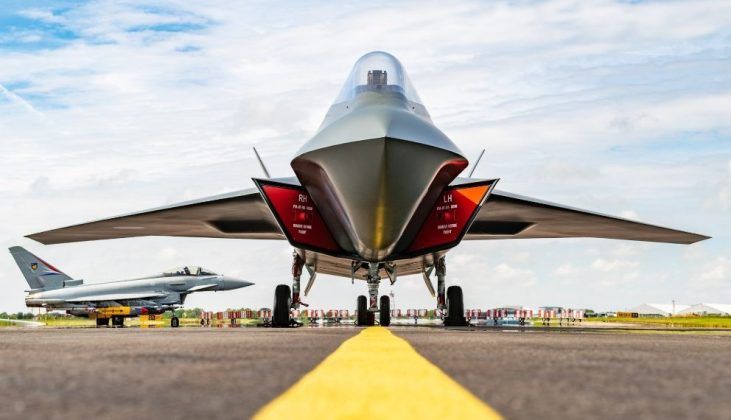
The Royal Air Force recently announced regarding the fighter:
“We're also developing world-leading electrical generation technology and intelligent integrated power management to power Tempest's advanced sensors and effects, particularly those which are laser-based. They will need much more electrical power than previous generations of aircraft…. The Tempest operator will be able to think and act two to three steps ahead of their adversary because of the advanced and highly-integrated sensors, non-kinetic effects, and communications systems. All of these systems will be highly-integrated, and designed to work seamlessly together, unlike current fighter jets that tend to be separate pieces of equipment, such as separate radar and electro-optics.”
The fighter is expected to be marketed for export, with Britain already having sought to collaborate with Japan on a sixth generation program which would likely share multiple Tempest technologies, and likely to look to traditional export clients in the Persian Gulf region to market the jets. Britain’s previous combat jet the Eurofighter, pursued alongside Germany, Italy and Spain, notably saw all exports outside the partner nations, with the exception of a small sale to Austria, to Arab states in the Gulf region with close political ties to London. Given the small size of the British Royal Air Force relative to those of the United States, China and Russia, Britain’s fighter is likely to rely more heavily on marketing to export clients to be viable and provide the economies of scale needed to be cost effective.
