
American Sanctions Threats Will Not Deter Russia From Military Sales to Iran - Official
Military Watch Magazine Editorial Staff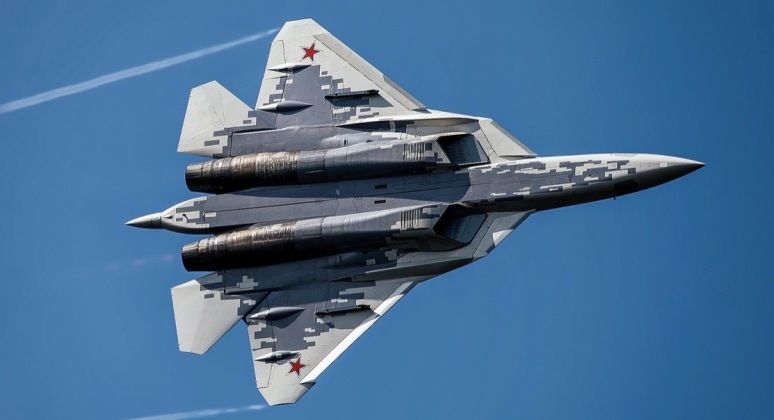
Su-57 Next Generation Fighter
Russia’s Deputy Foreign Minister Sergei Ryabkov has pledged that Moscow will not be coerced by the threat of American economic sanctions not to supply weaponry to the Islamic Republic of Iran - with a UN arms embargo on the Middle Eastern state set to expire in October. The U.S. has pledged to use all means necessary, including unilateral sanctions on potential suppliers, to prevent arms sales to Iran, after winning just a single supporter at the United Nations Security Council for an indefinite extension of the embargo with the council overwhelming declining to support such action. Ryabkov stated regarding Russia’s position: "We are not afraid of U.S. sanctions, we are used to them… It will not affect our policy in any way. Our cooperation with Iran is multifaceted, defence cooperation will progress depending on the two countries' needs and mutual willingness.”
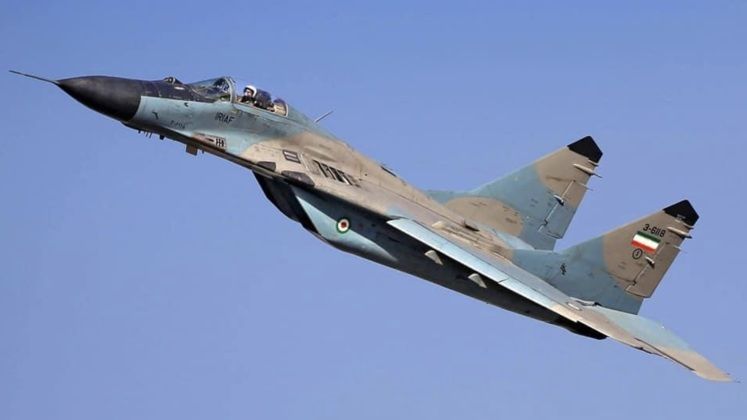
The Soviet Union notably signed multiple major arms contracts with Iran between 1988, when the Iran-Iraq War ended, and 1991 when the superpower collapsed. The Islamic Republic’s two most modern classes of fighter jets, the MiG-29A and Su-24M, were both supplied by the USSR during this period, although they have received few enhancements since and between them make up only three of Iran’s 17 fighter squadrons. Iranian efforts to purchase more combat jets from Russia after the Soviet collapse, including a further two squadrons of MiG-29 jets and a single squadron of elite MiG-31 heavyweight interceptors, was notably prevented by American pressure on the Soviet successor state which, having lost its superpower status, acceded quickly to U.S. demands. Iran has made no major acquisitions of modern combat jets since, although the state of its navy and ground forces are slightly better due largely to supplies of modern North Korean weaponry and to a Russian contract to supply T-72 battle tanks.
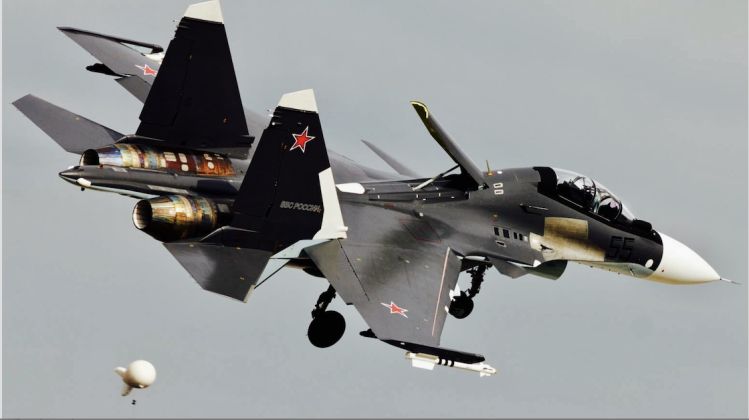
Iran is likely to acquire multiple types of advanced Russian weaponry, and with Russia more likely than China to weather the threat of further American sanctions it could gain the country a larger share of the Iranian market. Russia has been under a harsh and escalating Western sanctions regime since the Ukrainian crisis in 2014, and its economy today relies far less on trade with Western countries than that of China does. A number of leading Russian weapons systems Iran is considered likely to purchase include Su-30SM2 heavyweight fighter jets, MiG-35 medium fighters, Improved Kilo Class attack submarines and possibly Mi-35 or Ka-52 attack helicopters. These are all types of weapons systems that North Korea, which has ignored the arms embargo on Iran since 2006, has been unable to supply due to greater limitations on its defence sector relative to that of Russia. Iranian purchases of higher end Russian weaponry such as Su-57 fighter jets has also been highlighted as a potentially more cost effective option to purchasing lower end systems in smaller numbers, and the Islamic Republic is potentially a leading client for the Su-57 to replace its ageing F-4D/E jets from the 1970s.
