
U.S. Threatens Harsh Sanctions on Any Party Selling Arms to Iran - A Look at the Potential Implications
Military Watch Magazine Editorial Staff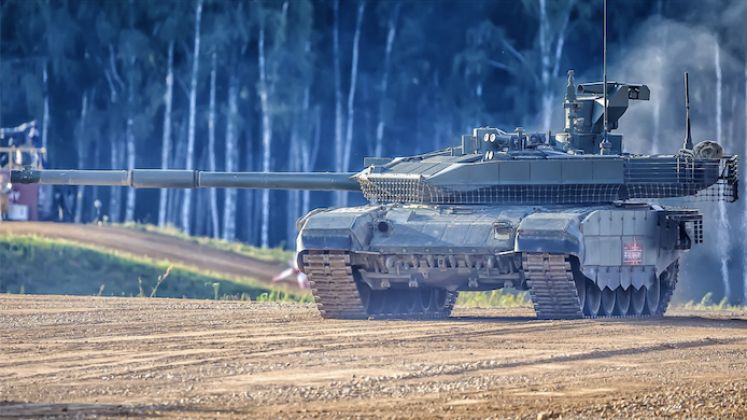
T-90M Battle Tank
The United States special envoy on Iran, Elliott Abrams, has warned that Washington will impose the "full force" of unilateral economic sanctions on any party selling arms to the Islamic Republic. This comes as a UN arms embargo on the country is set to expire in October under the terms of the JCPOA nuclear agreement which Iran signed with the U.S., China, Russia and three European powers. Although the U.S. withdrew from the agreement in 2018, a move harshly condemned even by its close allies, it sought to extend the UN arms embargo on Iran through the United Nations Security Council in August - although it failed to gain more than a single supporter at the 15 seat body with the remaining 13 council members either abstaining or voting against the motion. Iran is considered likely to purchase a number of advanced Chinese and Russian weapons systems, ranging from air defence systems to submarines and fighter jets. Although Iran has long maintained access to North Korean arms, with Pyongyang effectively ignoring the arms embargo, the East Asian state does not produce fighter jets, high endurance attack submarines or battle tanks suited to desert warfare - although Korean tanks designed for mountain warfare have been pressed into service in the Iranian Army in the past.
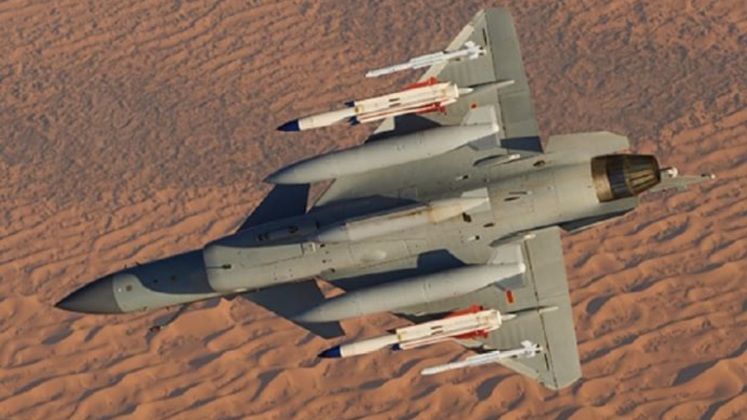
The U.S. has increasingly found itself isolated in its efforts to sanction Iran, although its actions are unlikely to see any significant opposition from its Western allies. Iran currently relies heavily on ballistic missiles and attack drones for its defence - which provide an asymmetric means of deterring the Western powers and the regional allies in the Middle East such as Israel and the United Arab Emirates. Of Iran’s 17 fighter squadrons currently in service, only two are equipped with modern standoff air to air missiles - this exemplifying the general state of the country’s conventional arms inventory. A number of weapons systems Iran is considered likely to purchases include Chinese J-10C ‘4++ generation’ fighters and PL-15 air to air missiles, which have a longer engagement range than any serving Western aircraft, and Russian Improved Kilo Class attack submarines, Kalibr cruise missiles and T-90 battle tanks. It remains to be seen how China or Russia will respond to the threat of American sanctions, but with Russia already heavily sanctioned by the U.S. it is more likely to be willing to endure such retaliation in order to secure major arms contracts.
