
With the S-500 on Offer, How Far Is Turkey Willing to Go with Russian Air Defences After S-400 and Possible Su-57 Acquisition?
Military Watch Magazine Editorial Staff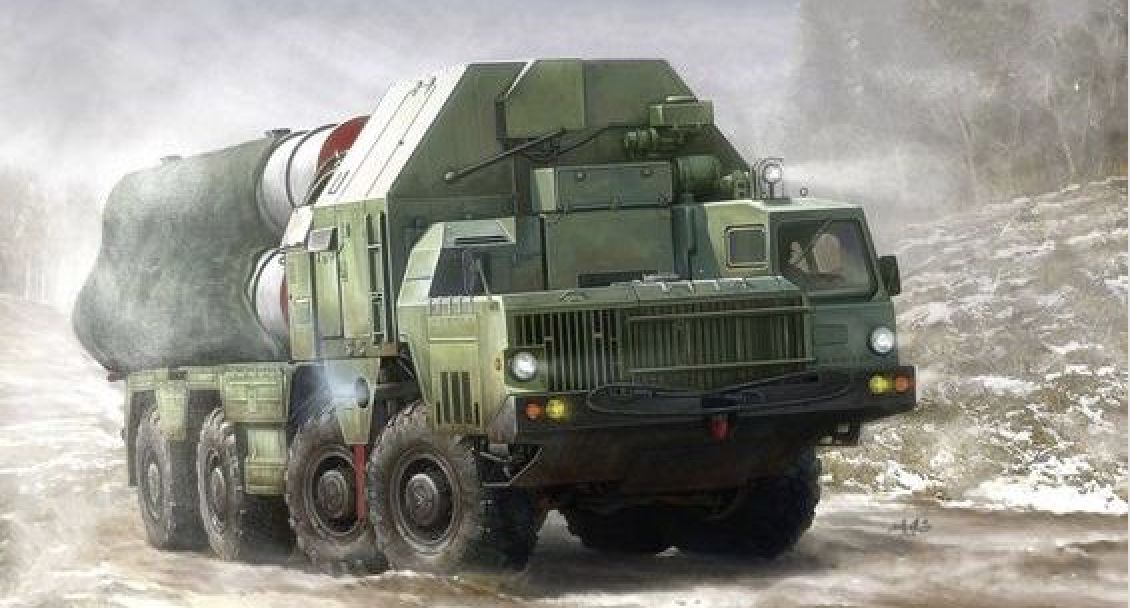
Russian Long Range Surface to Air Missile System - artwork
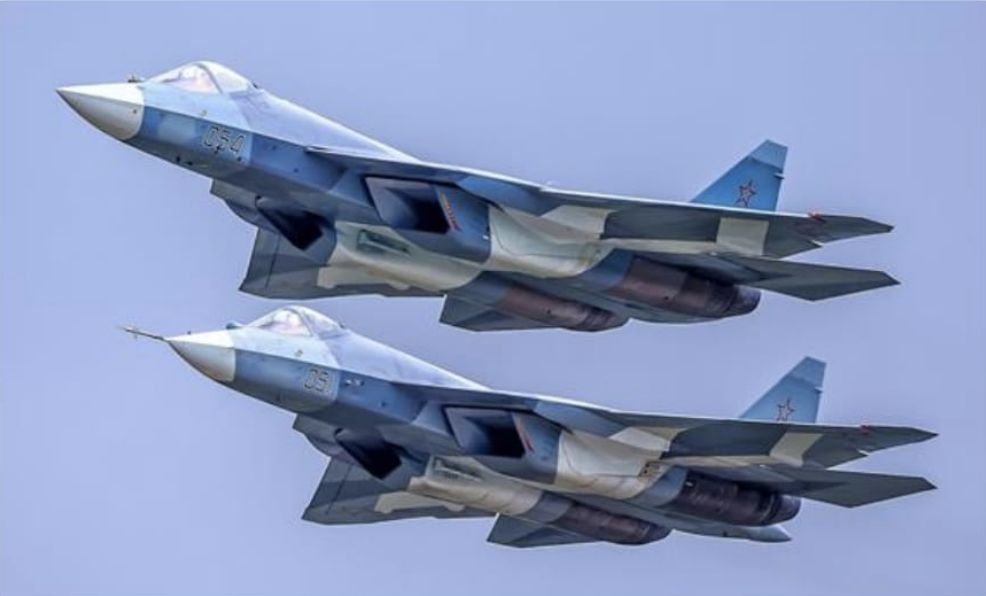
Turkey’s armed forces have sought to upgrade their air defence capabilities since the late 2000s, which left much to be desired in terms of air superiority and to a greater extent surface to air missile capabilities leading a number of high end long range platforms including the Chinese HQ-9B, American Patriot and Russian S-400 to be considered for acquisition. The decision to acquire the S-400 missile system has since drawn the ire of the Western Bloc, leading to repeated demands for the Ankara to abandon its contract for the Russian platform and instead acquire a Western system. The U.S. has since threatened to impose economic sanctions on Turkey and frozen deliveries of the F-35 stealth fighter - which seriously undermines both the its Air Force’s modernisation program and its Navy’s carrier program, the latter which was reliant on the vertical landing capable F-35B. A knock on effect of the S-400 deal, and resulting potential expulsion from the F-35 program, has been a Russian offer to provide Turkey with Su-57 fifth generation air superiority fighters to augment its aerial warfare capabilities. While this offer is reportedly under consideration, Turkish officials including President Recep Tayyip Erdo?an have mentioned a third Russian aerial warfare system which could, in a worst case for Turkish ties with NATO, be acquired alongside the S-400 and Su-57 - the S-500 air defence platform.
President Erdo?an first declared his interest in the S-500 in October 2017, though this was at the time assumed to be conjecture in response to Western threats against the Turkish S-400 acquisition. In June 2018 the President reiterated his country’s interest not only in acquiring, but also in potentially jointly manufacturing the system, stating: “I have contacted President Putin with a proposal about the joint production of the S-500… During the second and third stages (of acquisition) we will proceed to the joint production of the S-500 systems.” Turkey’s Anadolu news agency has since reported that Sergey Chemezov, head of the Russian defence export corporation Rostec, that the country is willing admitting Turkey to jointly develop the S-500 system. Observing that Turkey had the technological capacity needed to contribute to the weapons program, Chemezov noted: “The S-500s are currently under development and will be a Russian state-of-the-art air defence system without equal throughout the world.”
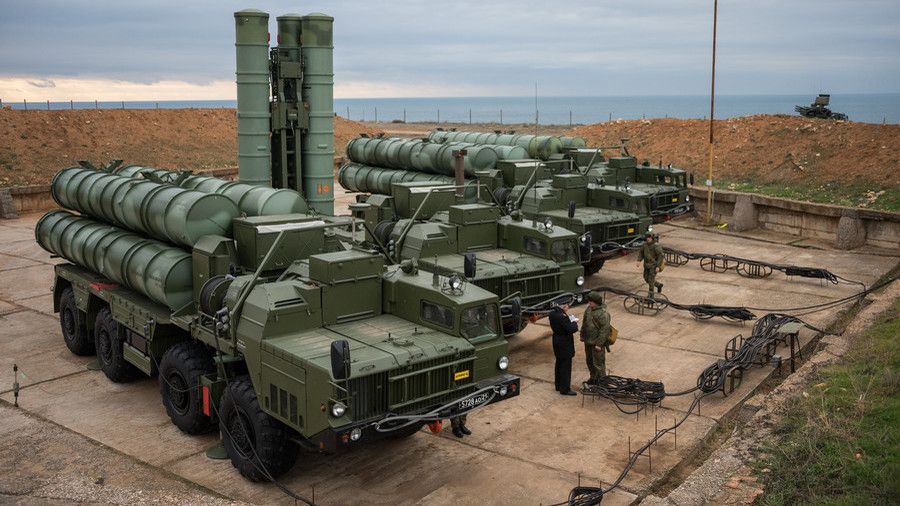
While the S-400 also fields multi layered air defence capabilities, with over half a dozen munition types from the short ranged 9M96E to the longe ranged hypersonic 48N6E2 (200km range), 48N6E3 (250km range) and for some export variants the 40N6E (400km range), should the complementary capabilities of the S-500 be fielded alongside it this would provide Turkey with some of the most capable air defences in the world. Some of the S-500’s known capabilities include surface to air missiles with a 600km engagement range, the ability to shoot down satellites, and the superior capabilities to intercept hypersonic missiles, hypersonic aircraft and space planes. According to some reports, the weapon’s systems sensors can also network with those of older systems such as the S-400 for superior detection of enemy missiles and stealth aircraft at longer ranges. The Su-57 flying air superiority missions, and armed with K-77 and R-37M long range air to air missiles, would further complement the capabilities of this formidable surface to air missile network. Ultimately the question remains, with one state of the art system on order and two even newer ones on offer, how far Turkey is willing to go down the path of acquiring Russian aerial warfare systems at to what extent it is willing to compromise its ties to the remainder of NATO - which has shown a very low level of tolerance to acquisitions of Russian arms - in order to do so.
