
Turkey's Reprimand for Stepping Out of Line with NATO
Military Watch Magazine Editorial Staff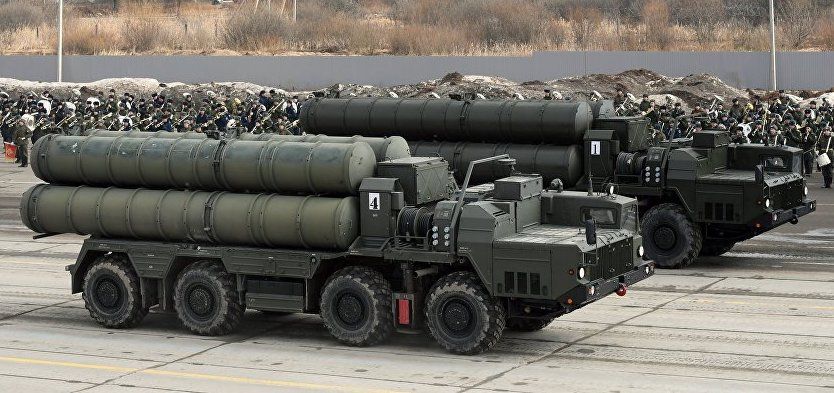
S-400 Surface to Air Missile Batteries
Since Turkey's commitment to purchase the S-400 long range surface to air missile system from Russia Ankara has faced considerable pressure from and been harshly reprimanded the United States and other NATO members for selecting the weapons systems over U.S. and European manufactured alternatives. Chairman of the NATO Military Committee Petr Pavel threatened "consequences" for Turkey should it go through with its decision. He stated: "The principal of sovereignty obviously exists in acquisition of defence equipment, but the same way that nations are sovereign in making their decision, they are also sovereign in facing the consequences of that decision." This has further highlighted the growing rift between Ankara and Washington, which first appeared at the time of a coup attempt by factions in the country's armed forces in July 2016, which Ankara has alleged the Western Bloc had a hand in supporting. With Turkey increasingly isolated after the incident Ankara moved to quickly mend ties with Russia, with the acquisition of a more capable air defence capability independent of NATO emerging as a priority. Turkey's President Recep Tayyip Erdogan thus came to emphasise the S-400 ability to target U.S. stealth fighters such as the F-22 Raptor and B-2 Spirit as one of its key benefits - with the platform outperforming rival systems such as the Chinese HQ-9B and American Patriot.
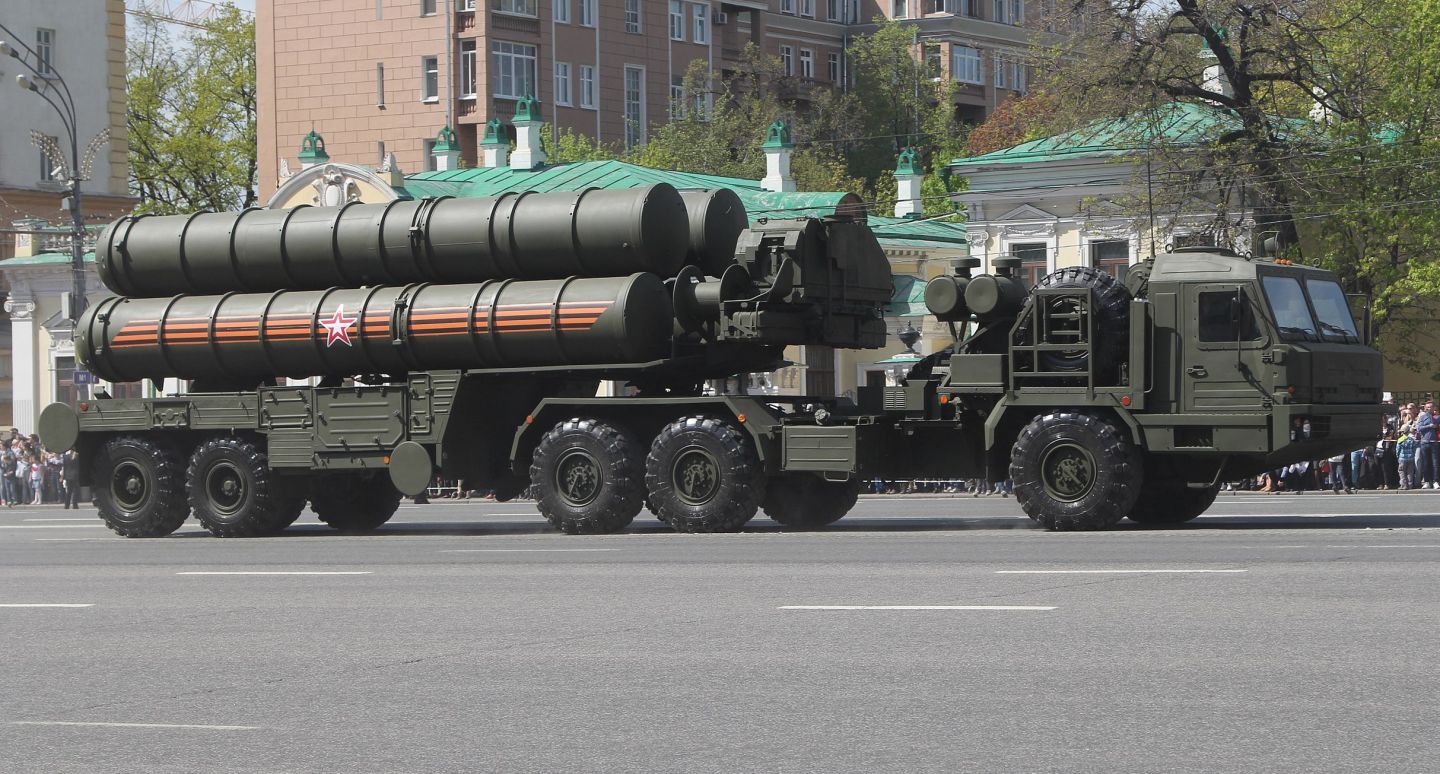
It remains essential for the U.S. and its European allies to bring Turkey back into line with the Western policy of confrontation with Russia, and failure to do so could see other client states and allies turn to Russian, Chinese or other non-Western sources for arms. Interest in the S-400 has been widespread in the Middle East and beyond, with other high end Russian systems such as the Su-57 fifth generation fighter offering capabilities unmatched by their Western analogues on export markets. Turkey itself has indicated a potential interest in the S-500 air defence system, a next generation platform playing a complementary role to the S-400, equipped with hypersonic missiles and specialised in high altitude interception of targets such as satellites, intercontinental range ballistic missiles and heavy combat aircraft. Should repercussions for Turkey's first transgression against the wishes of the wider Western Bloc not be met with consequences, further acquisitions of further Russian systems remain likely. Whether such repercussions, which could range from economic sanctions to termination of its access to parts for its large fleet of F-16 fighters, would bring Turkey 'back into line' with the Western Bloc or else further alienate it remains difficult to predict - making assessment of an adequate response to the S-400 acquisition difficult for Western policymakers.
